Channel Set Engagement Rings, grown in light.
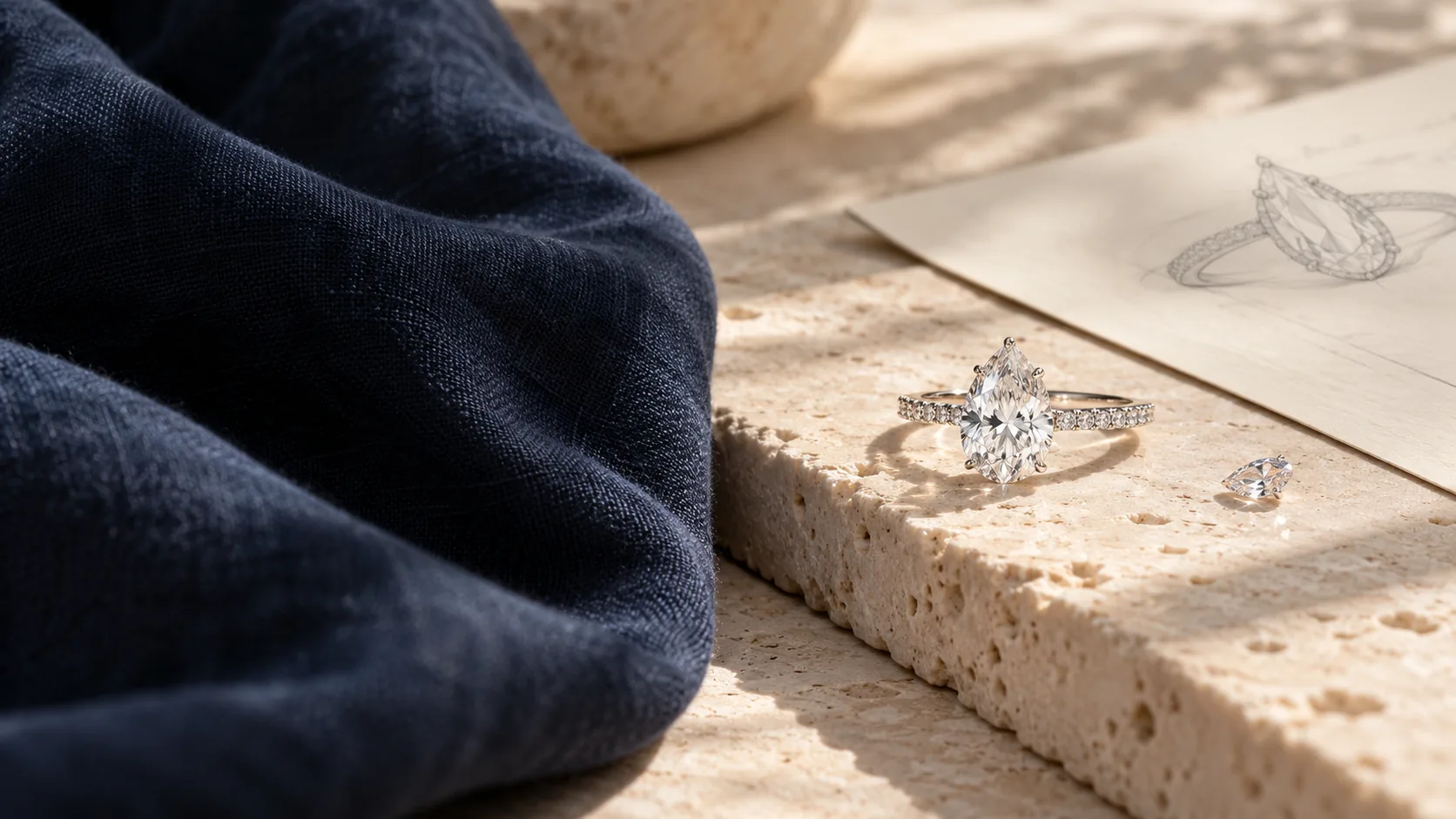
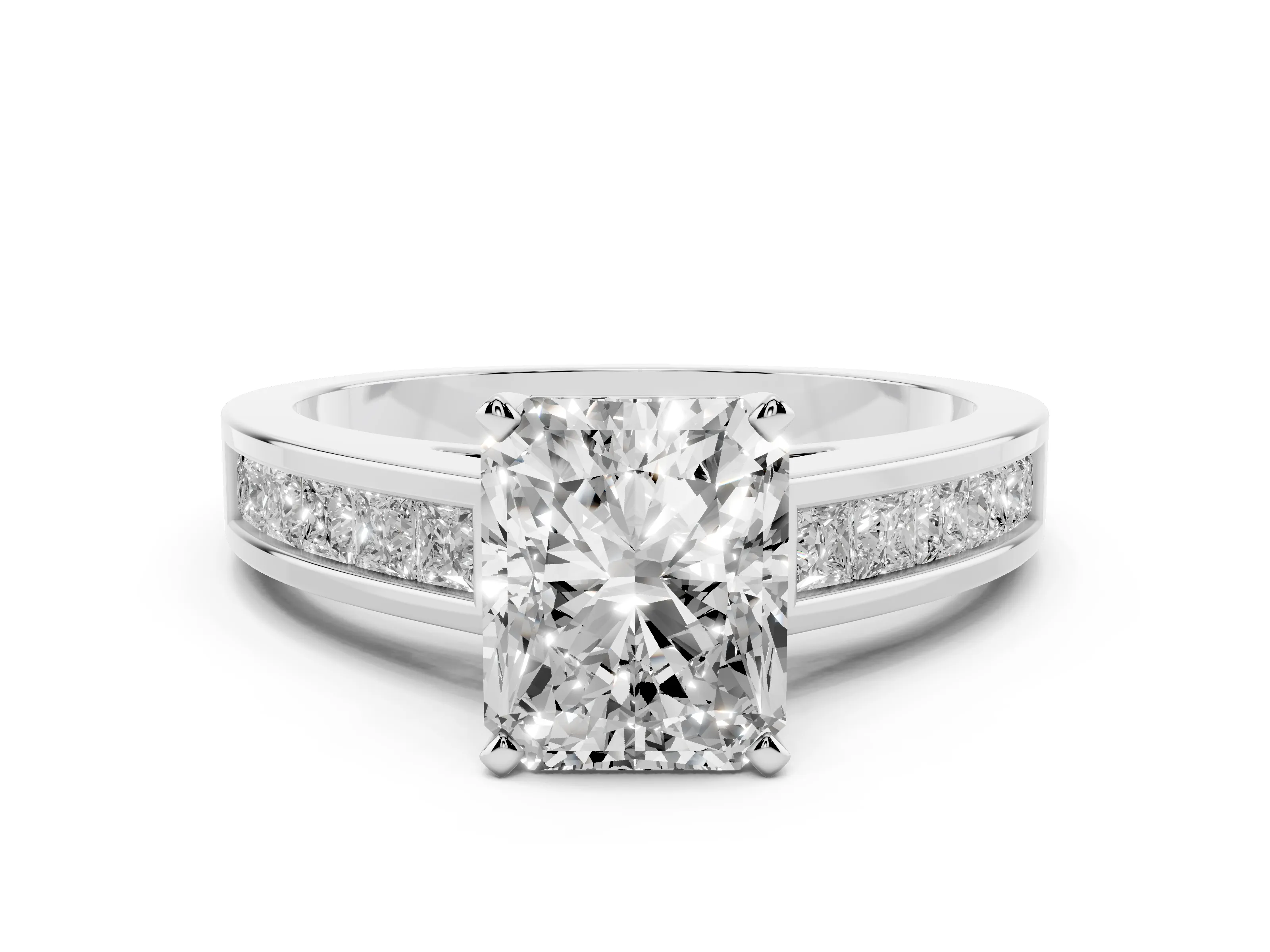
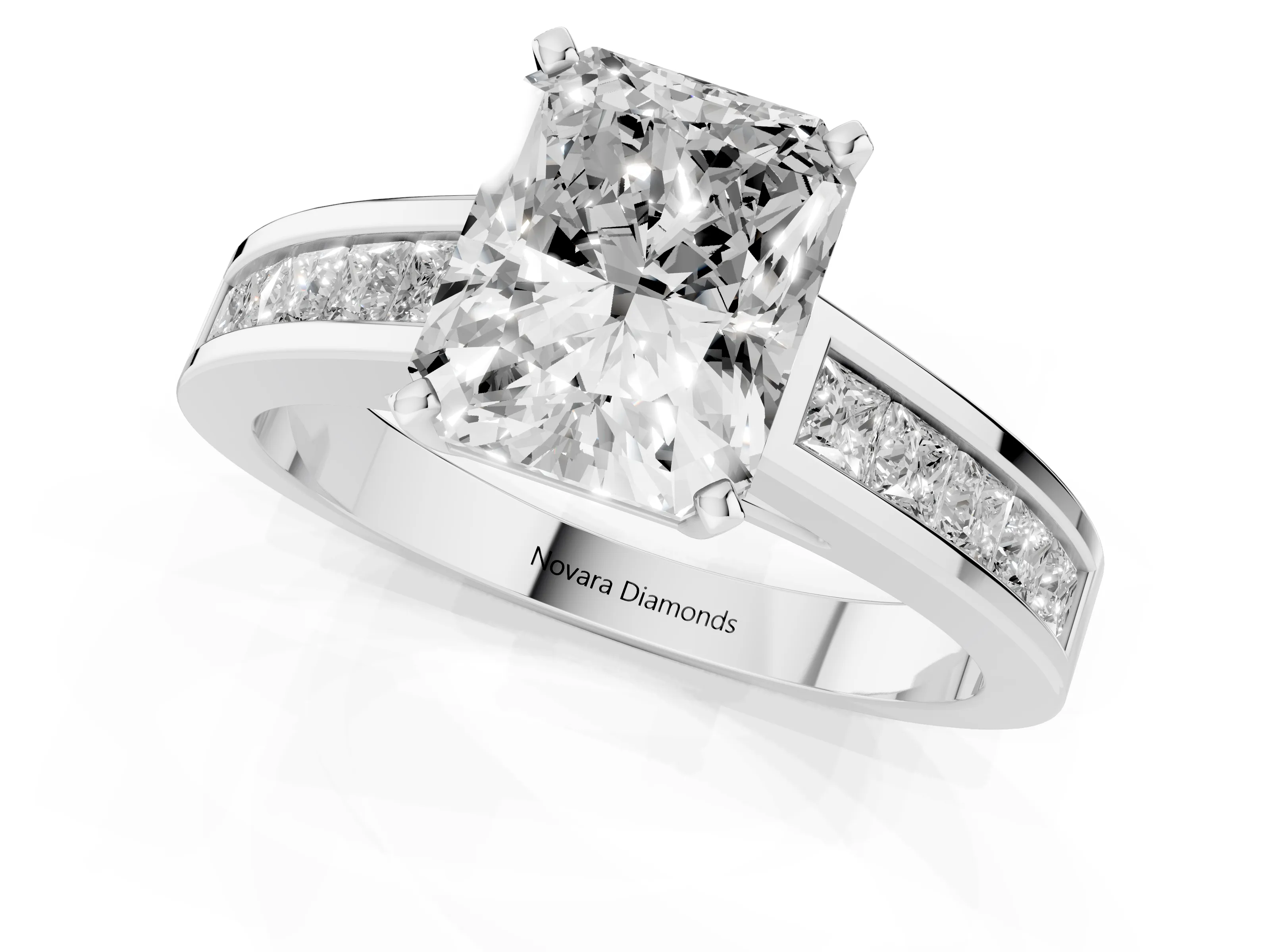
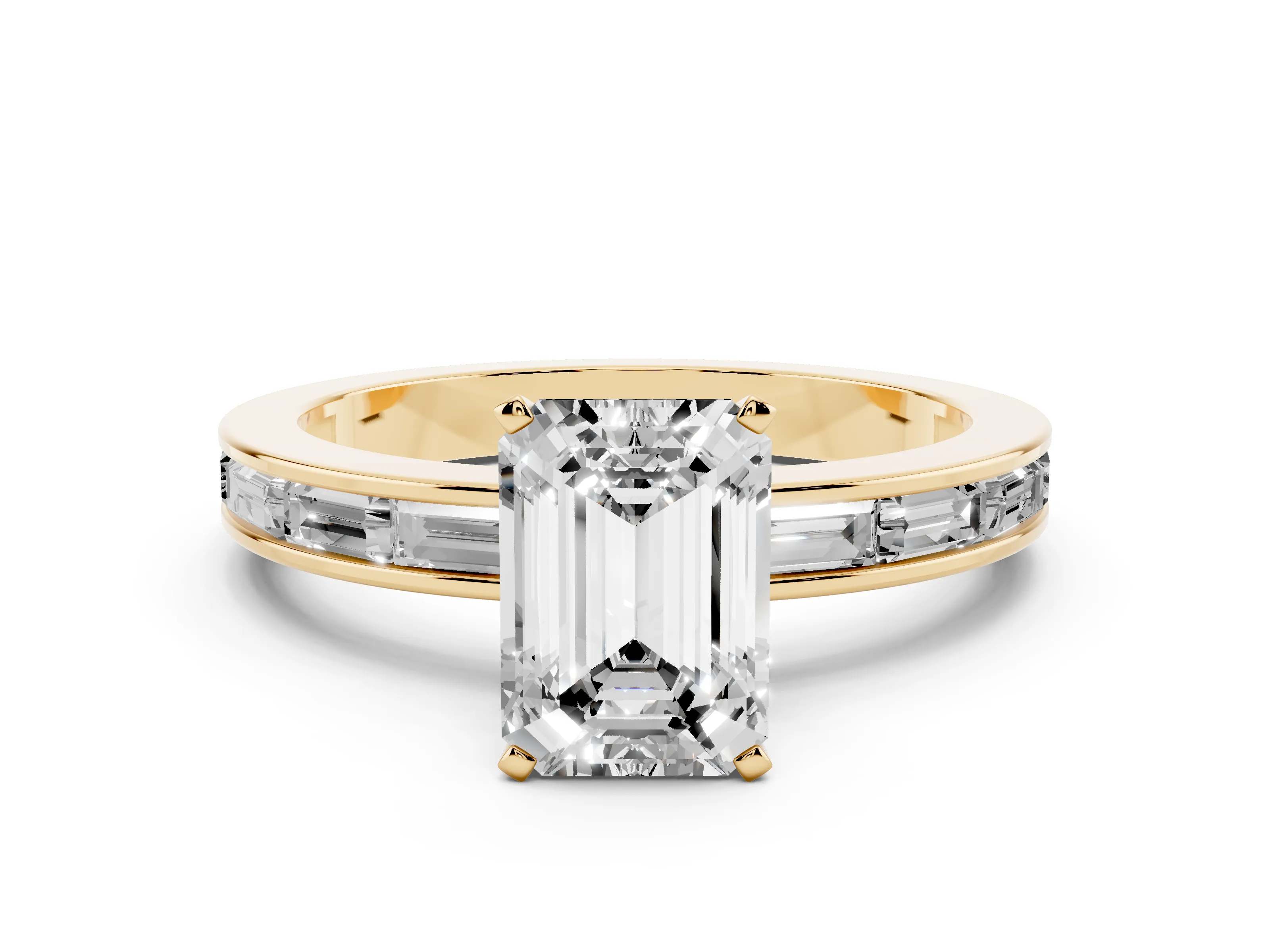
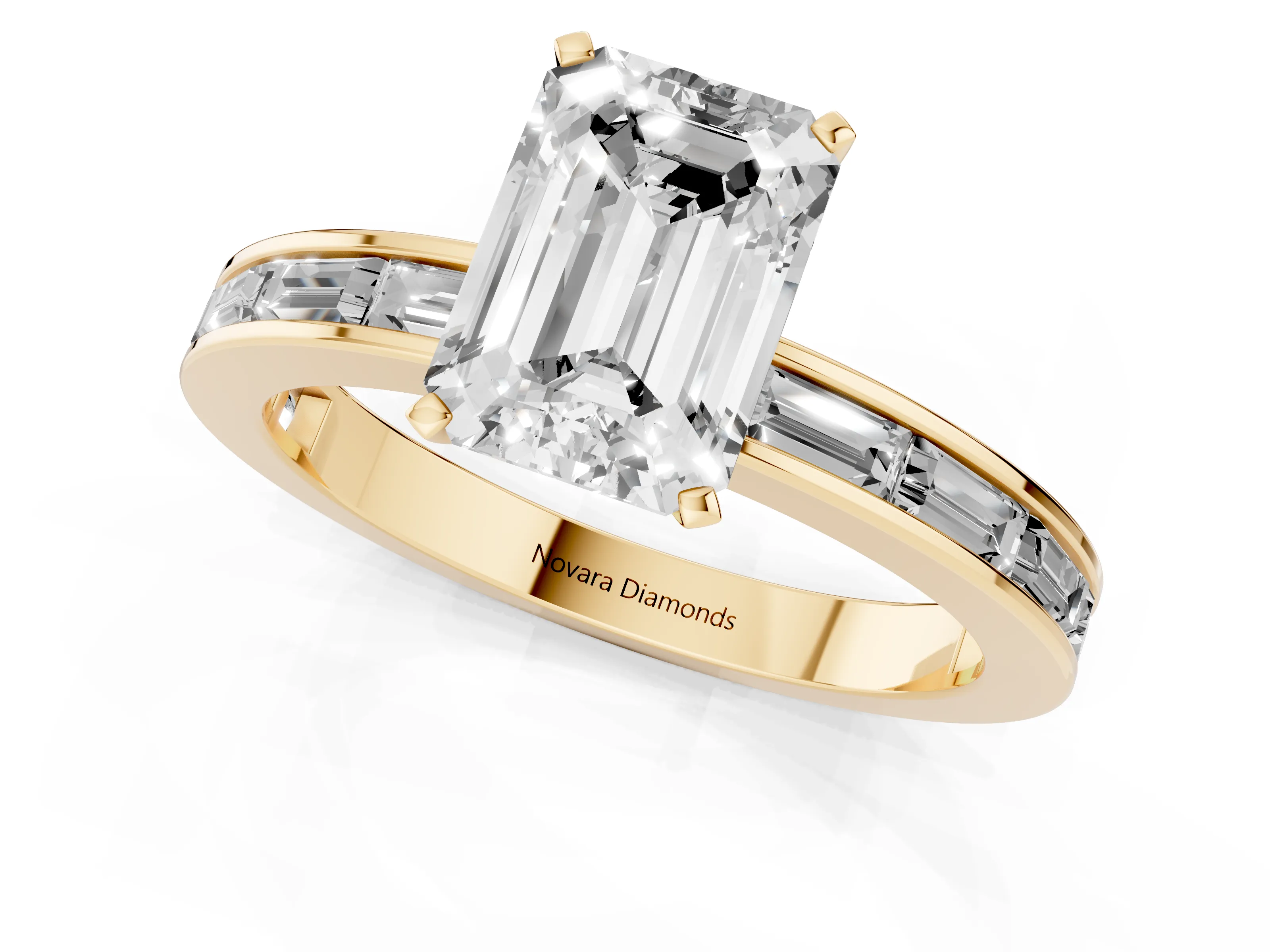
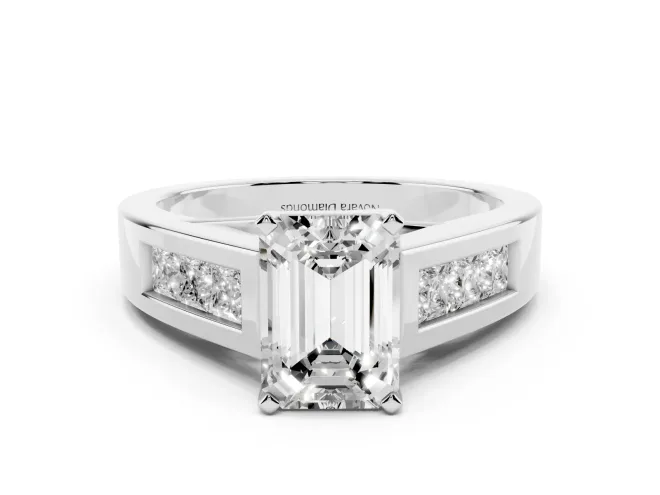
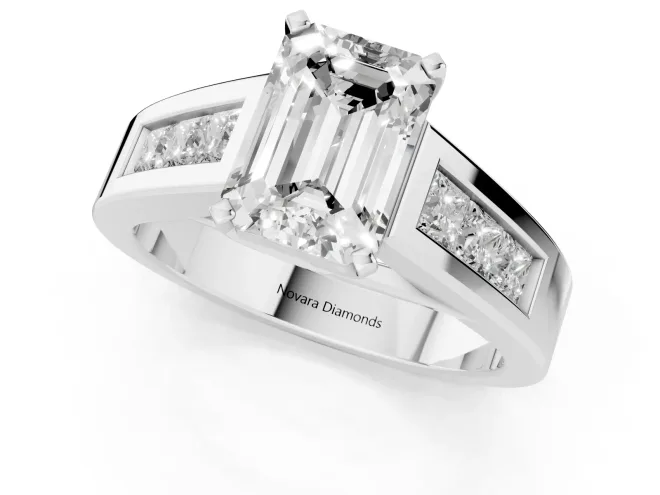
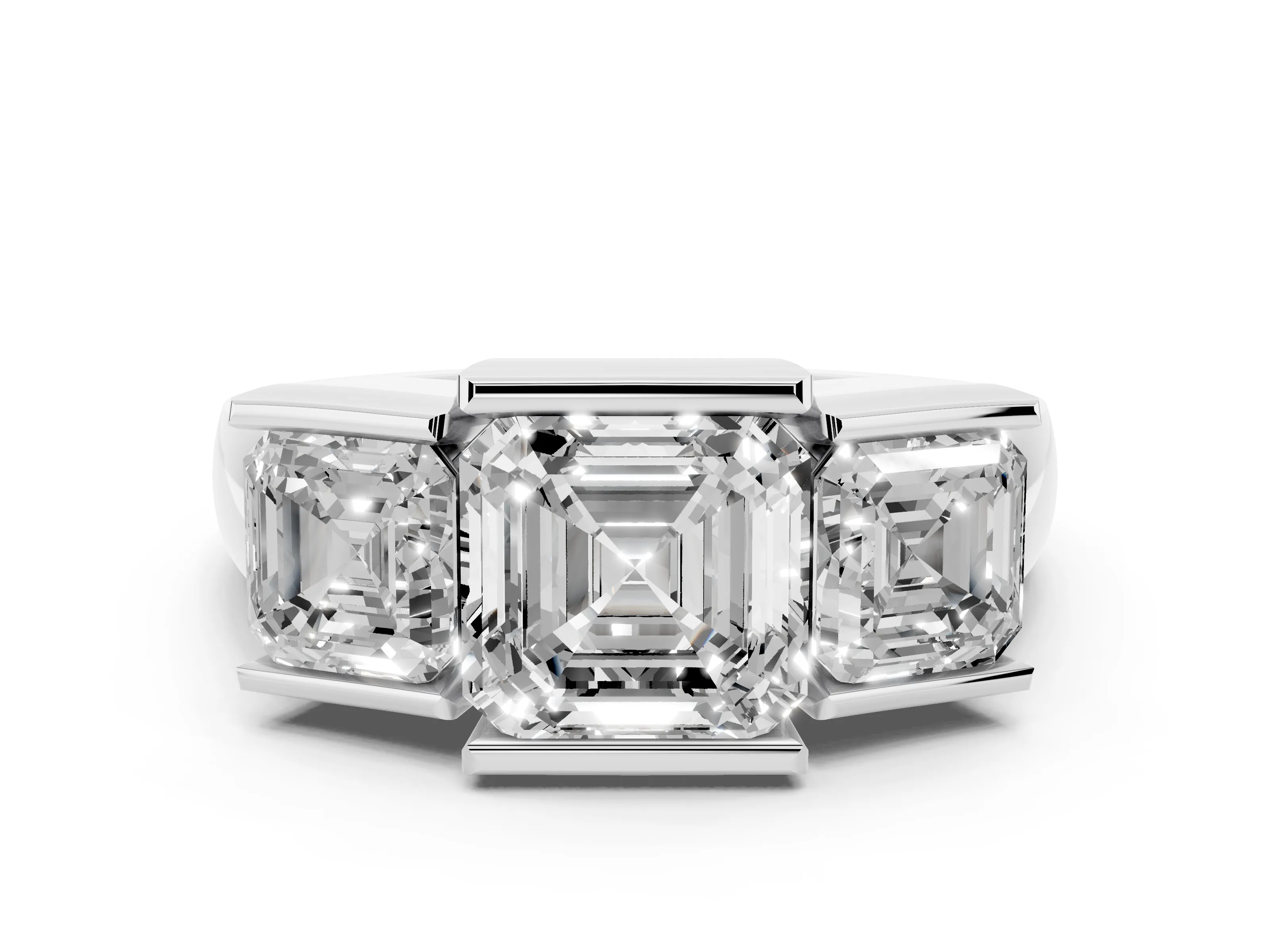
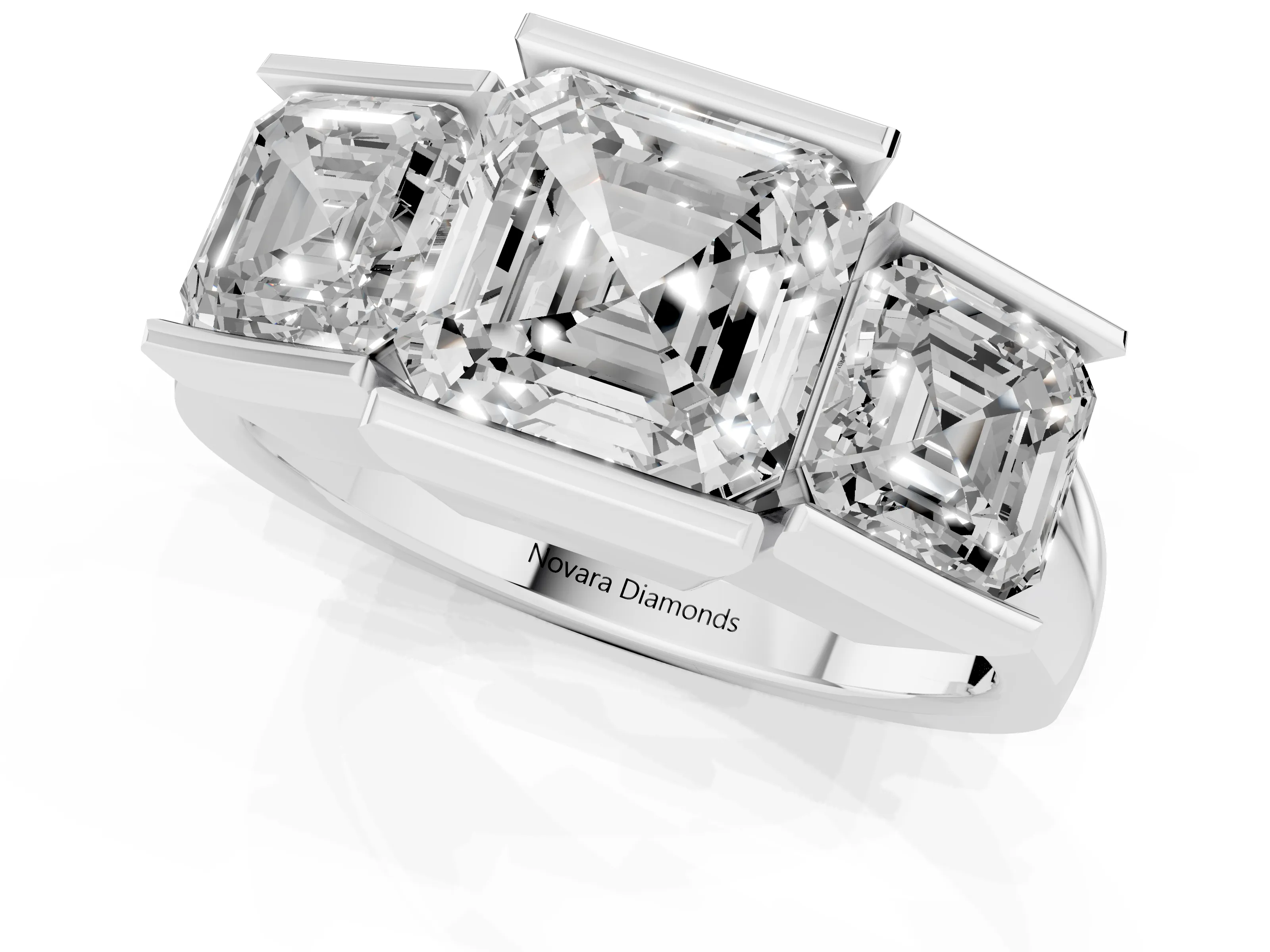
Small stones locked in a smooth metal track. A channel set engagement ring seats its lab-grown diamond accents side by side in a track down the shank, with no prongs rising between them. These are settings: the center diamond, in the shape and color you want, is selected in the next step. This page covers the design, metal and gold karat, with prices for the setting alone.
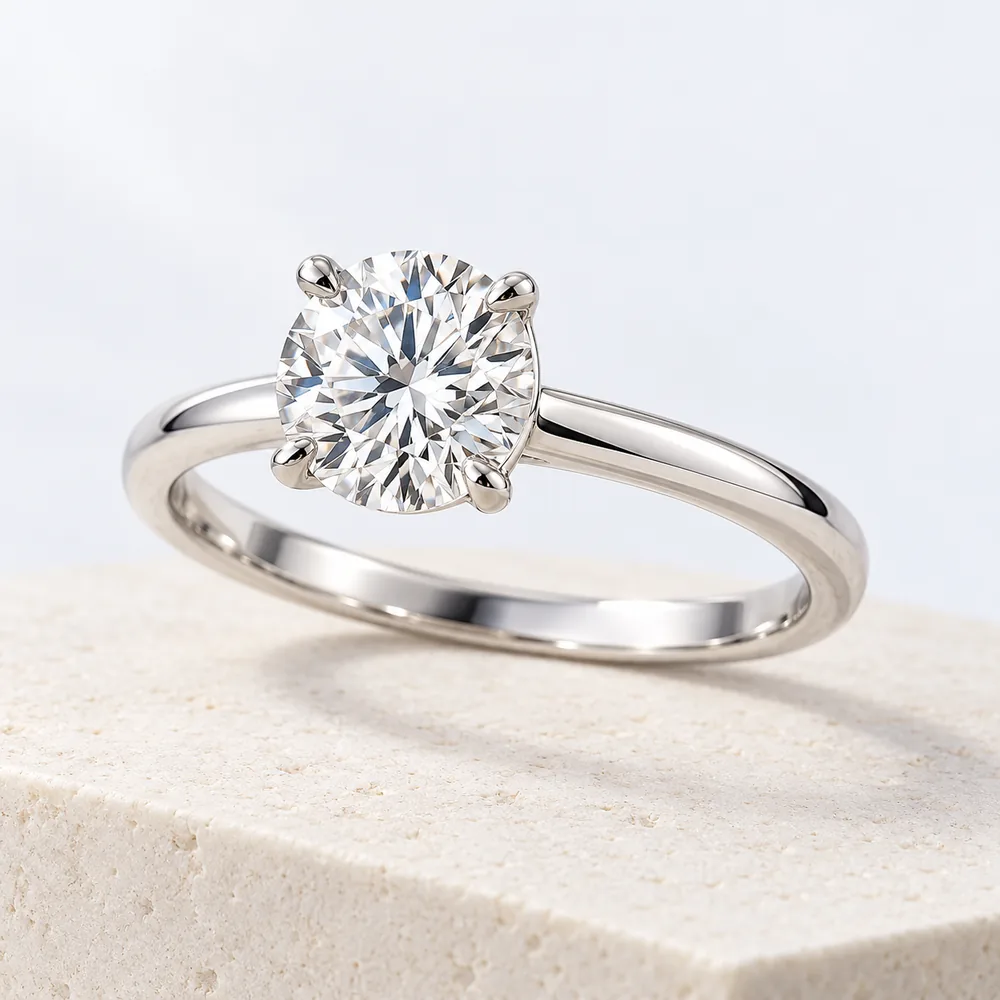
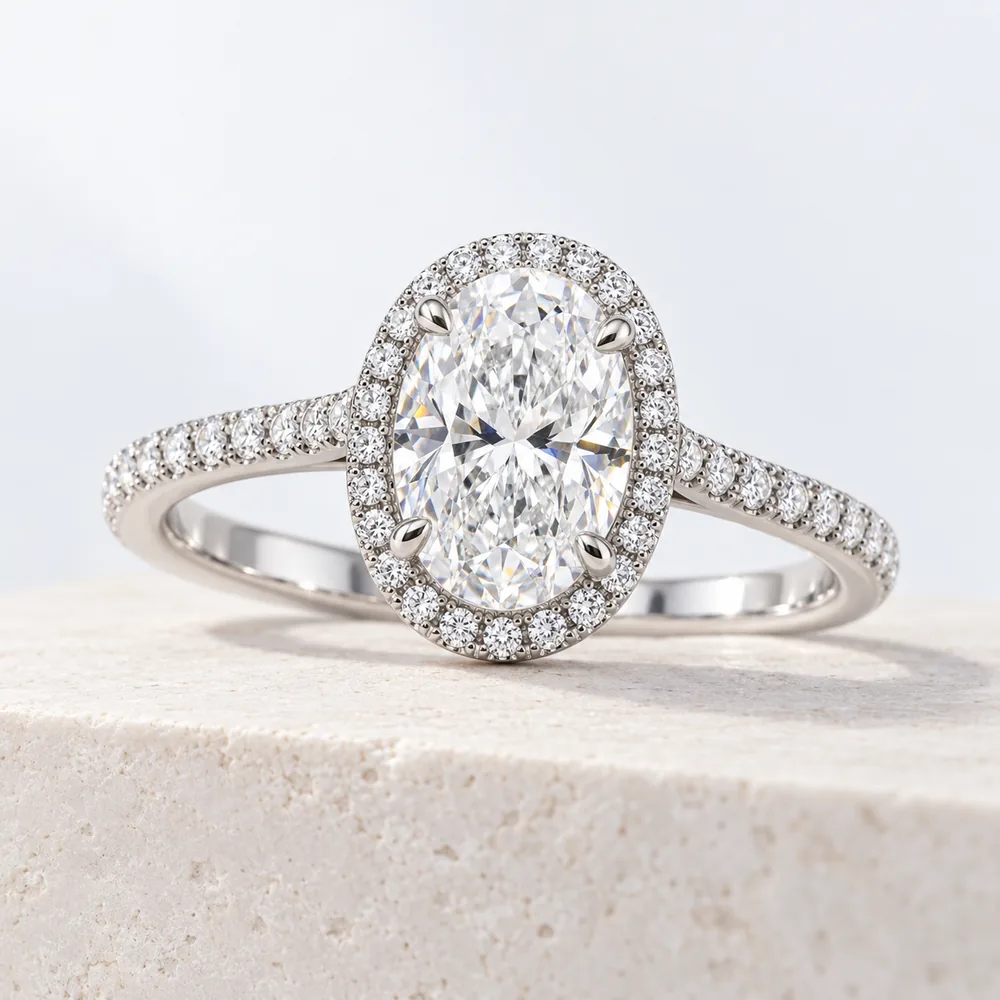
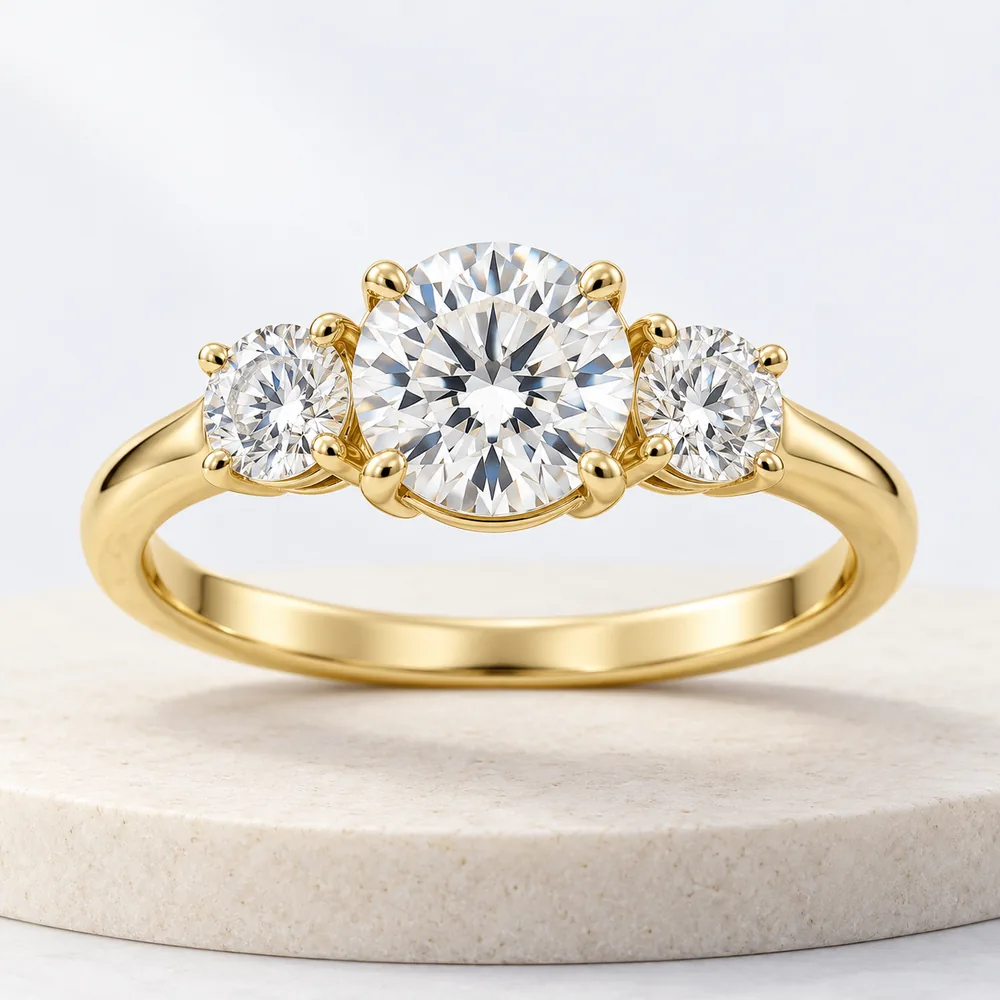
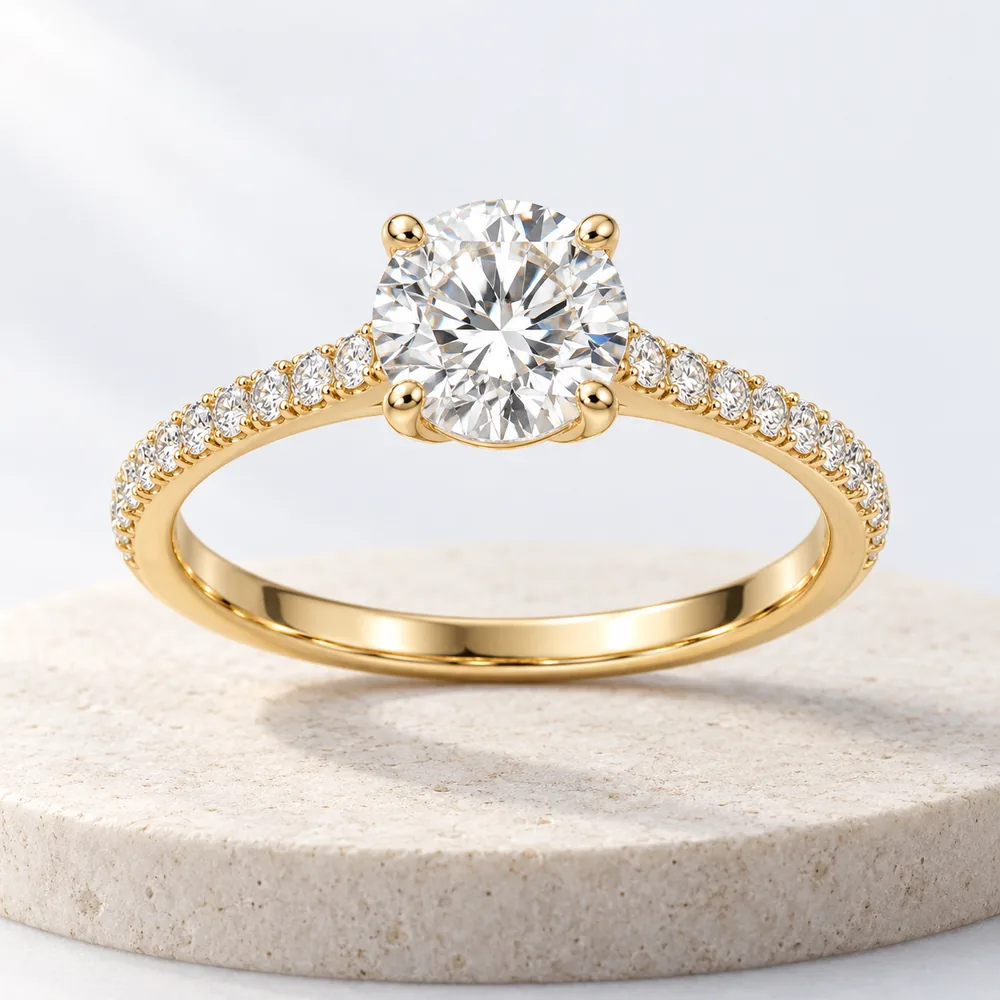
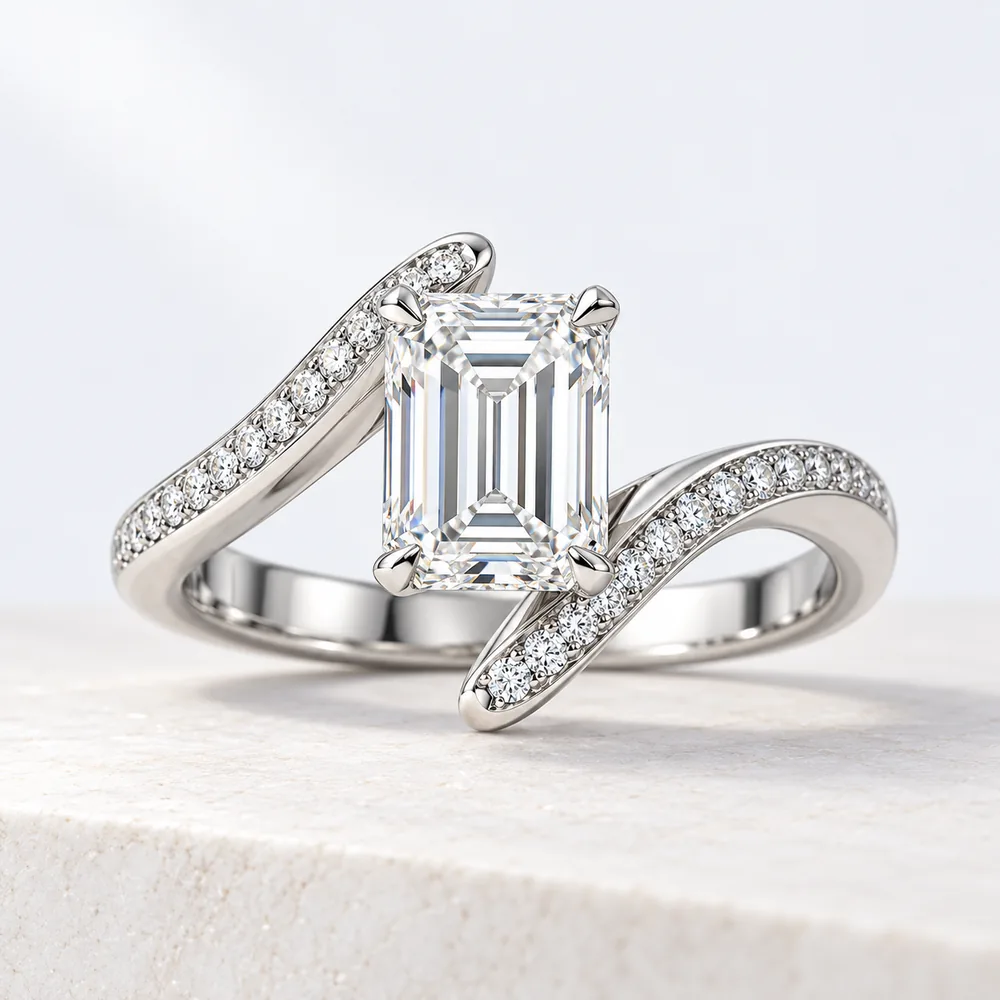
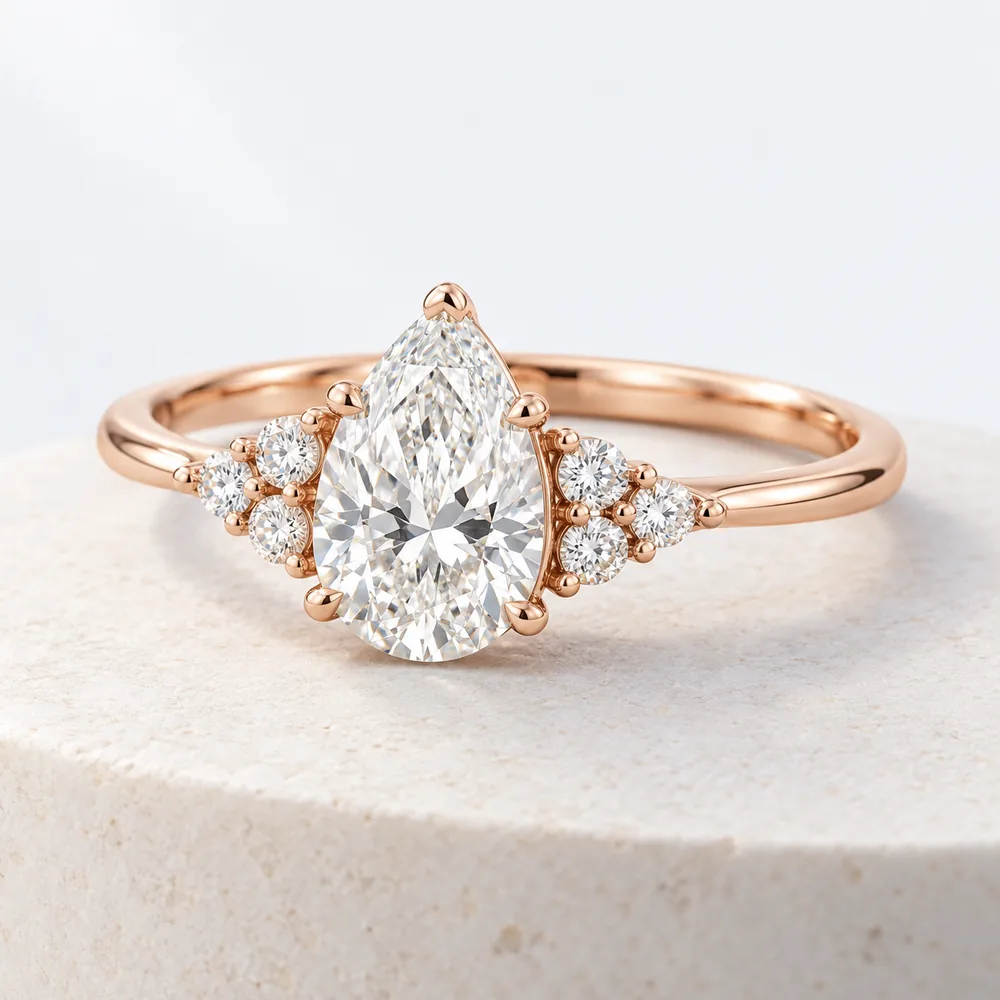
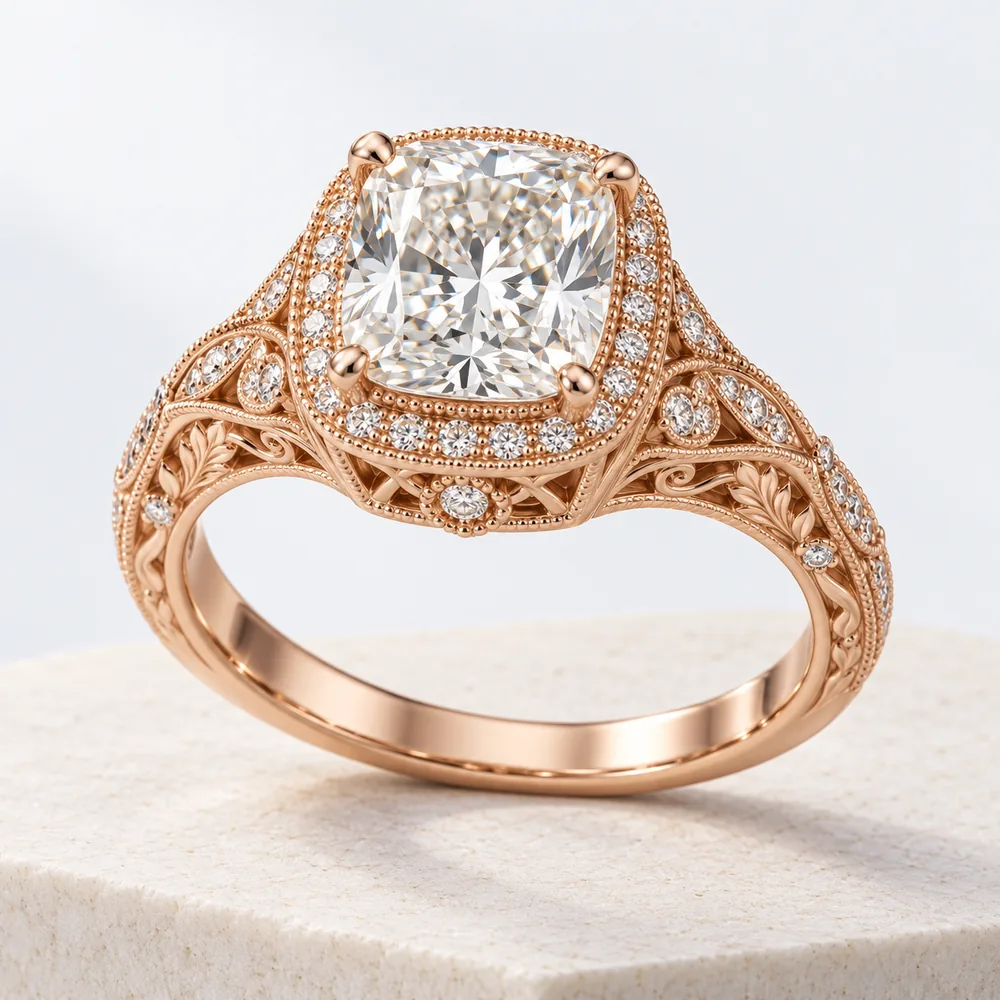
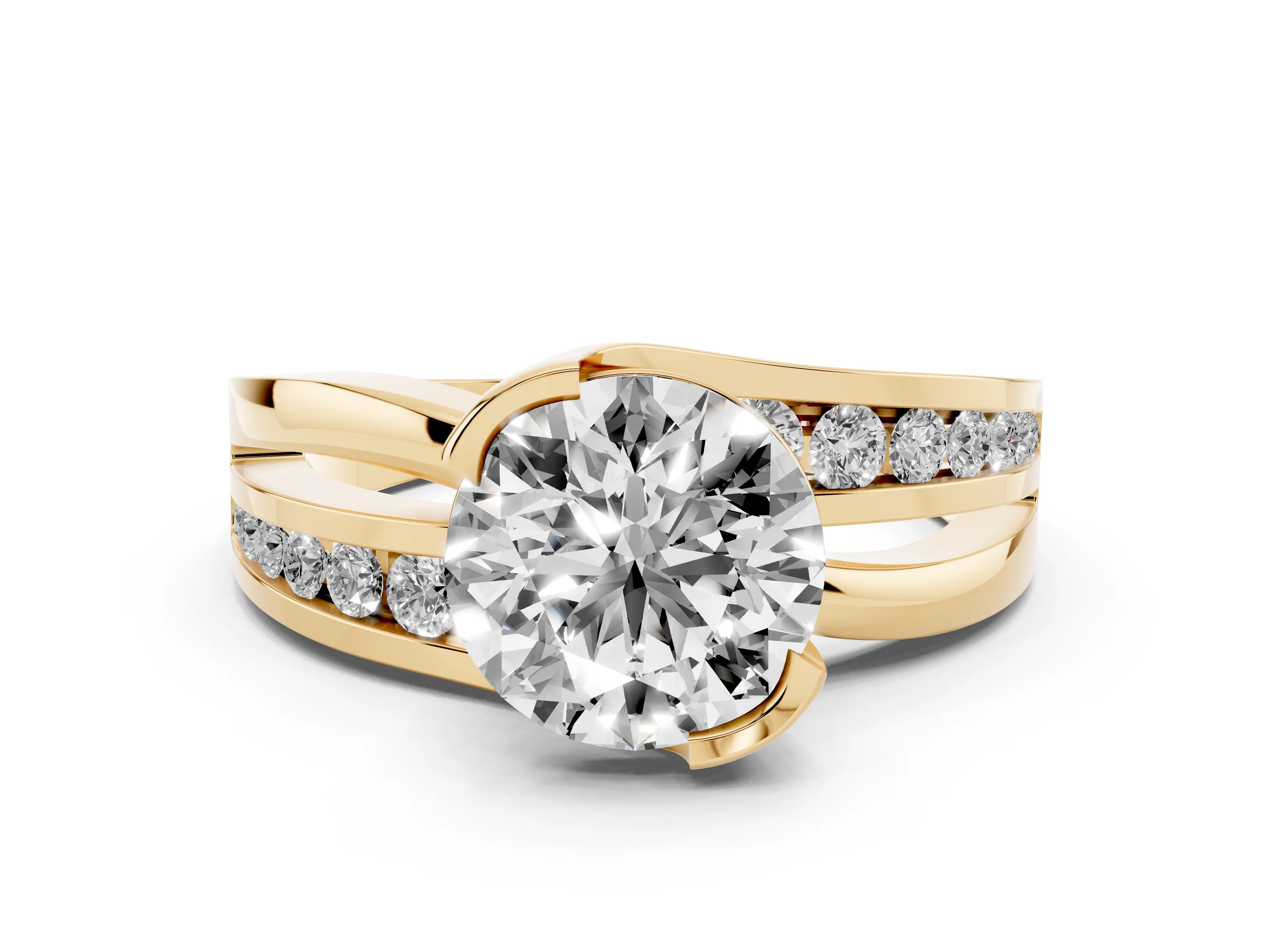
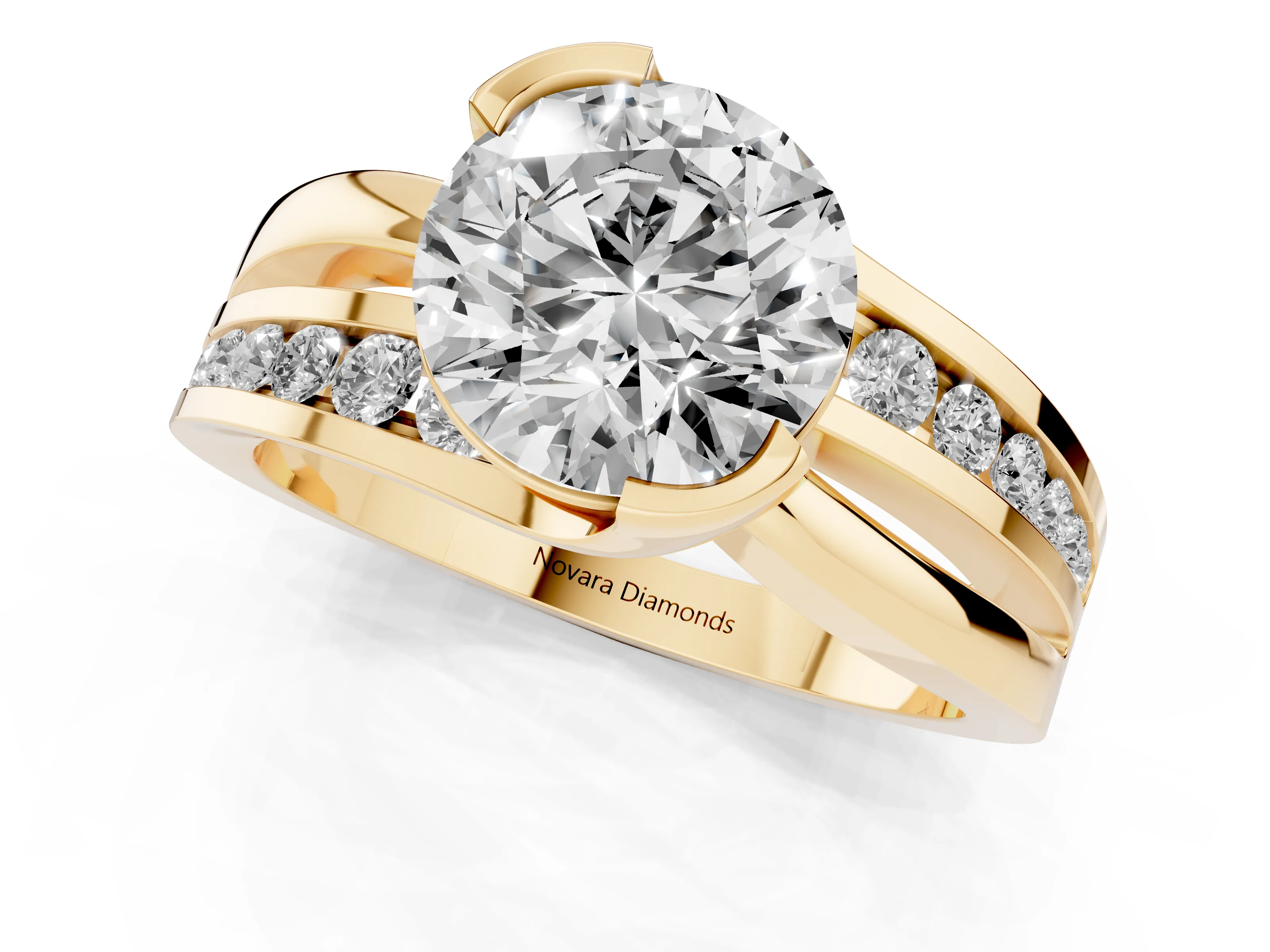
$1,279 $2,558
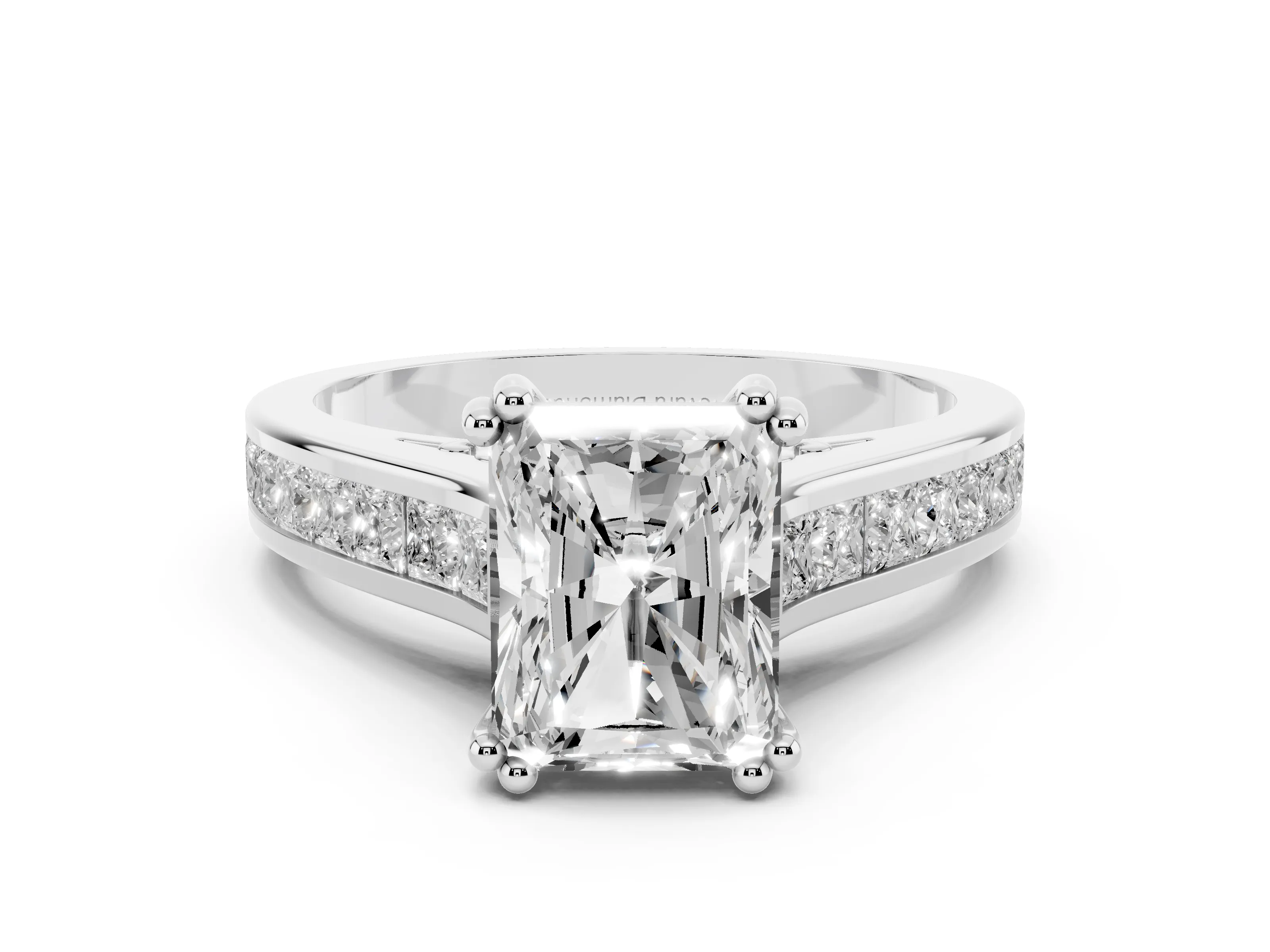
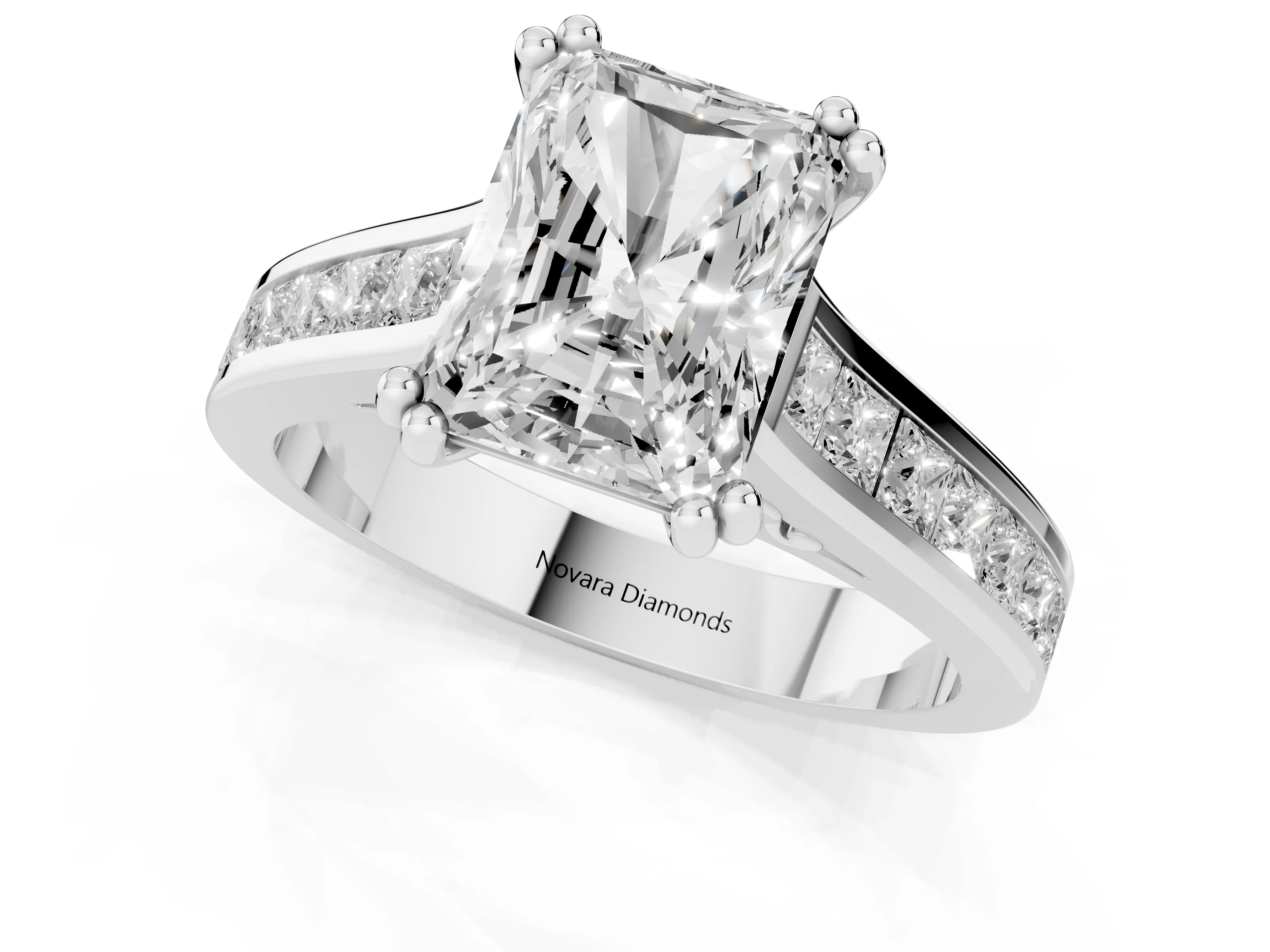
$1,209 $2,418
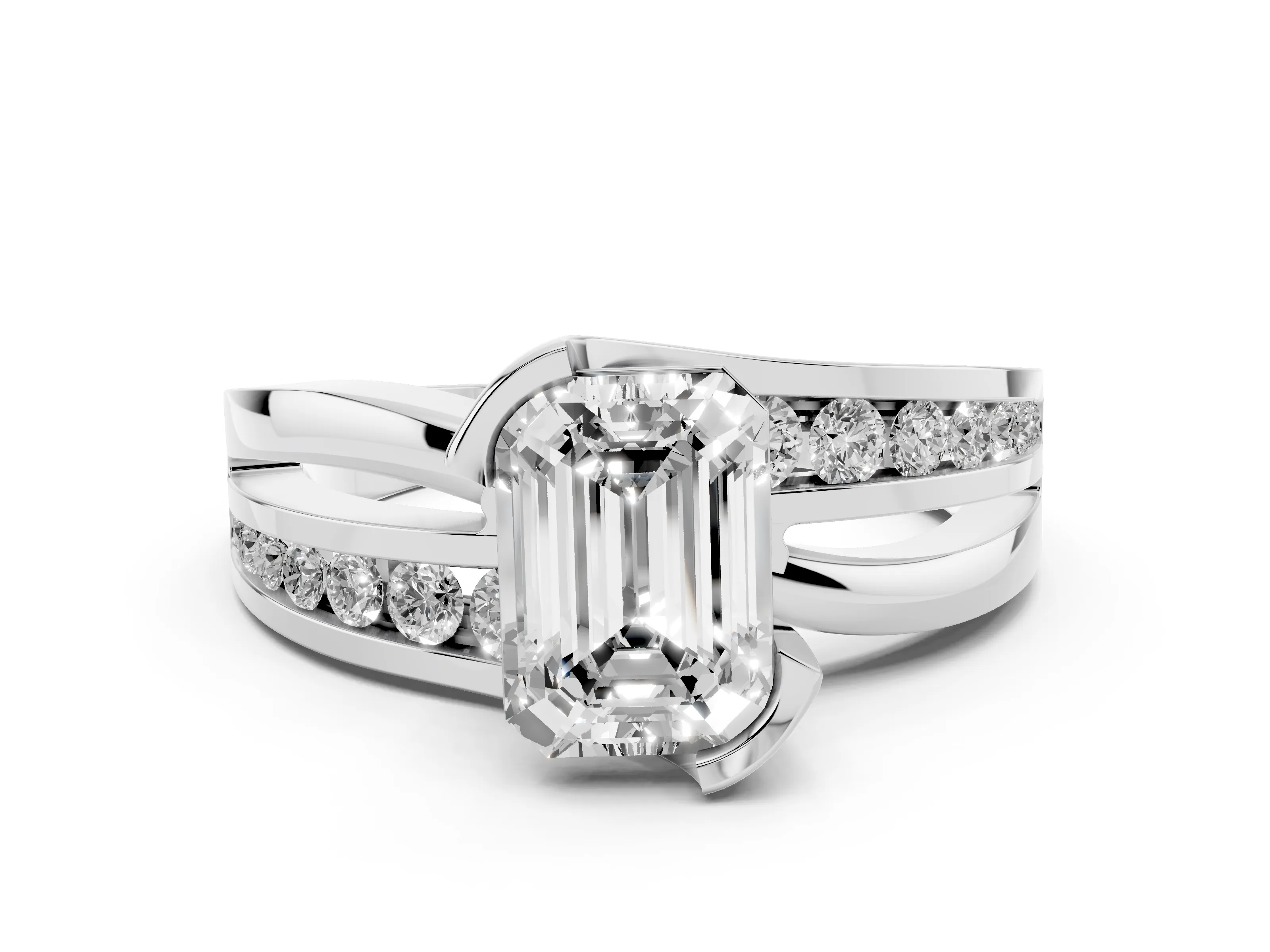
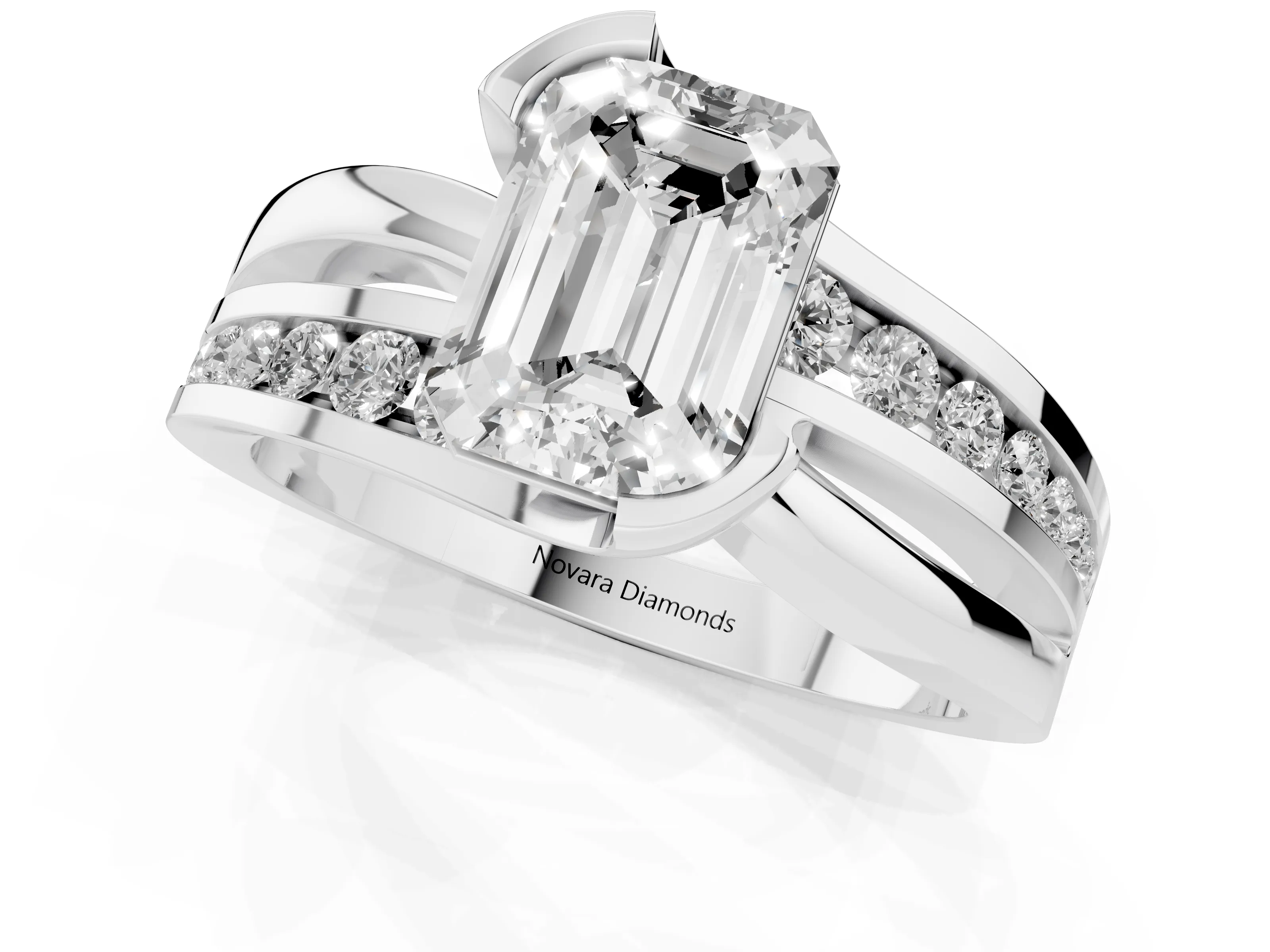
$1,279 $2,558
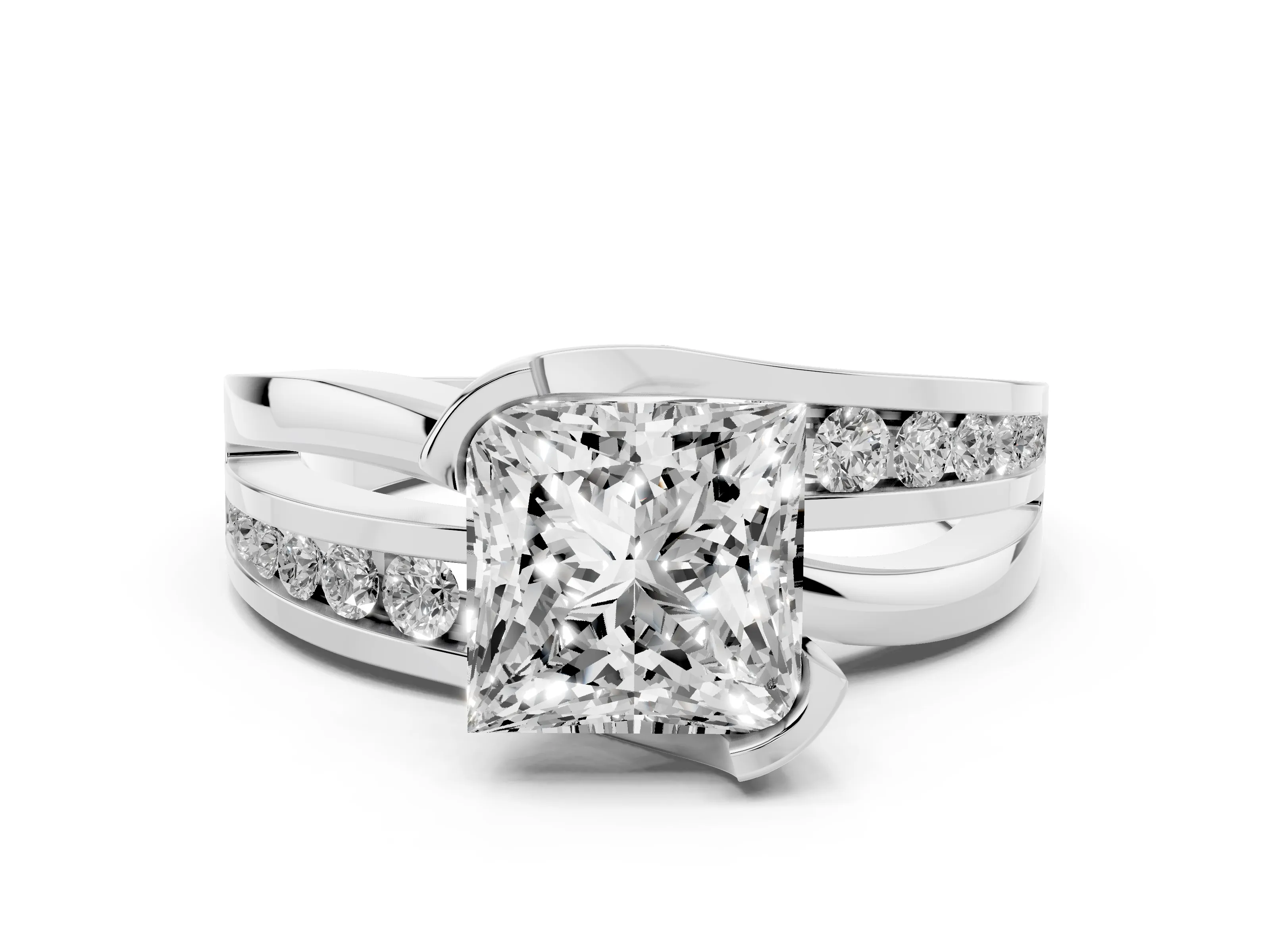
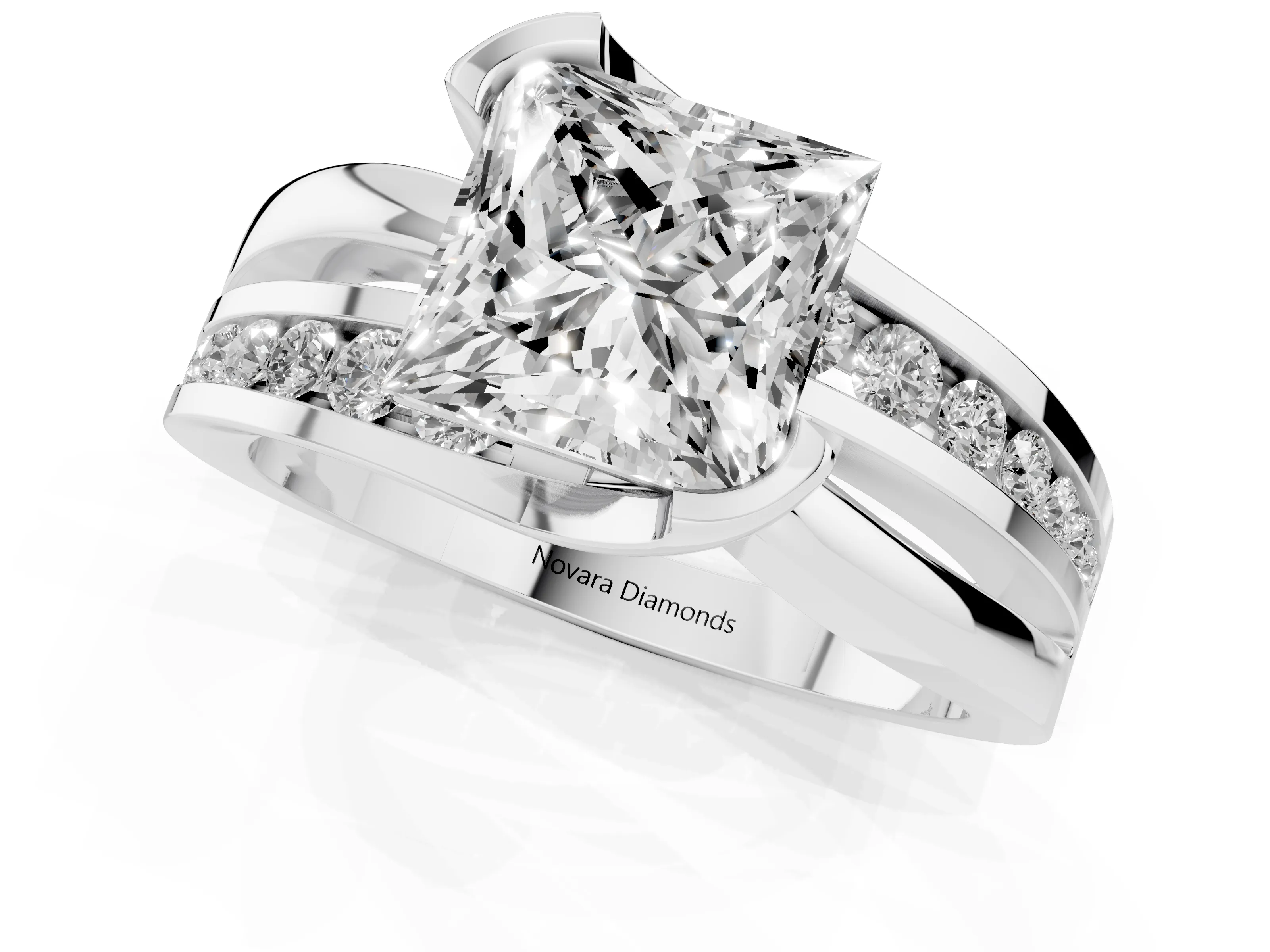
$1,279 $2,558
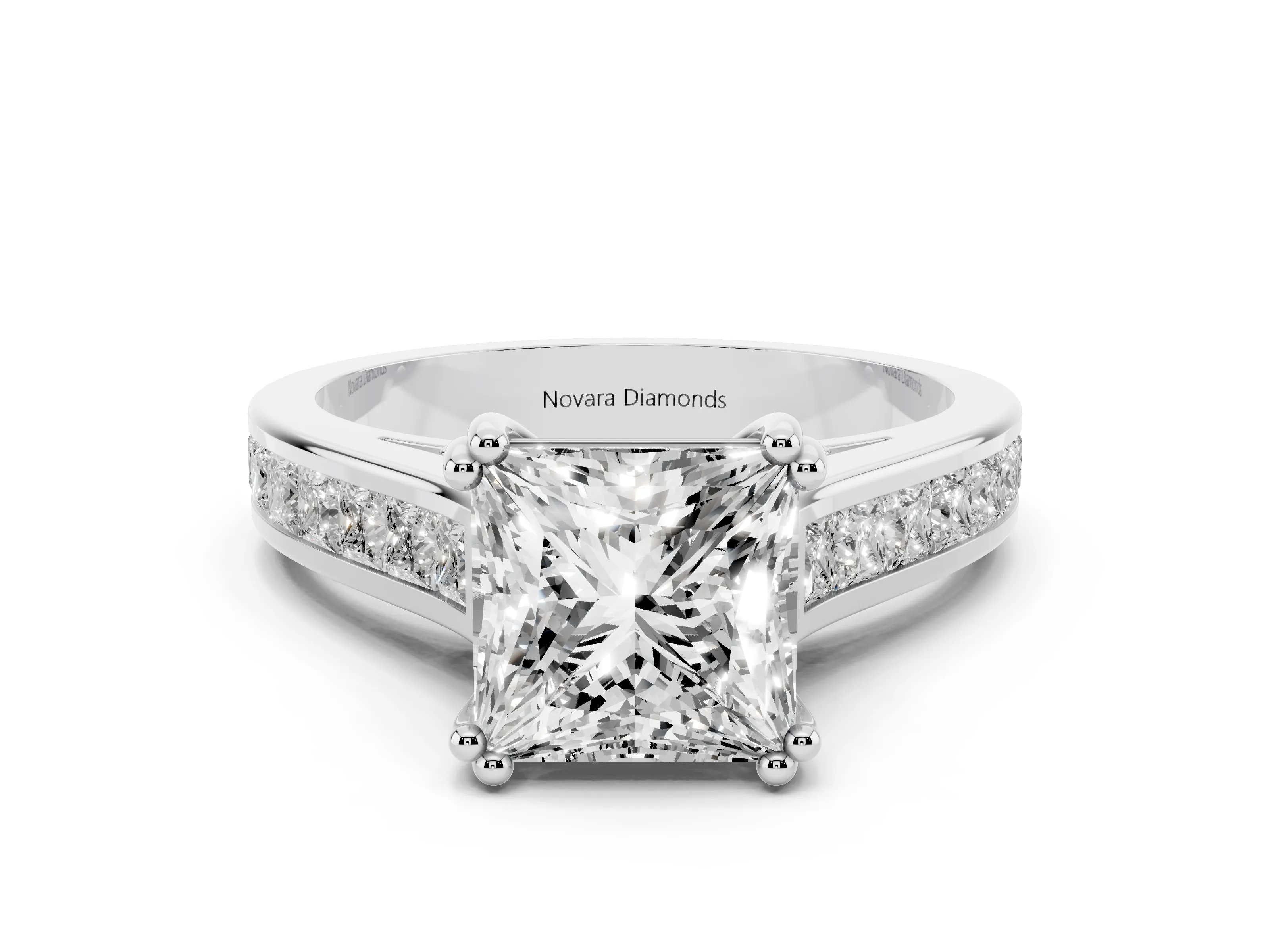
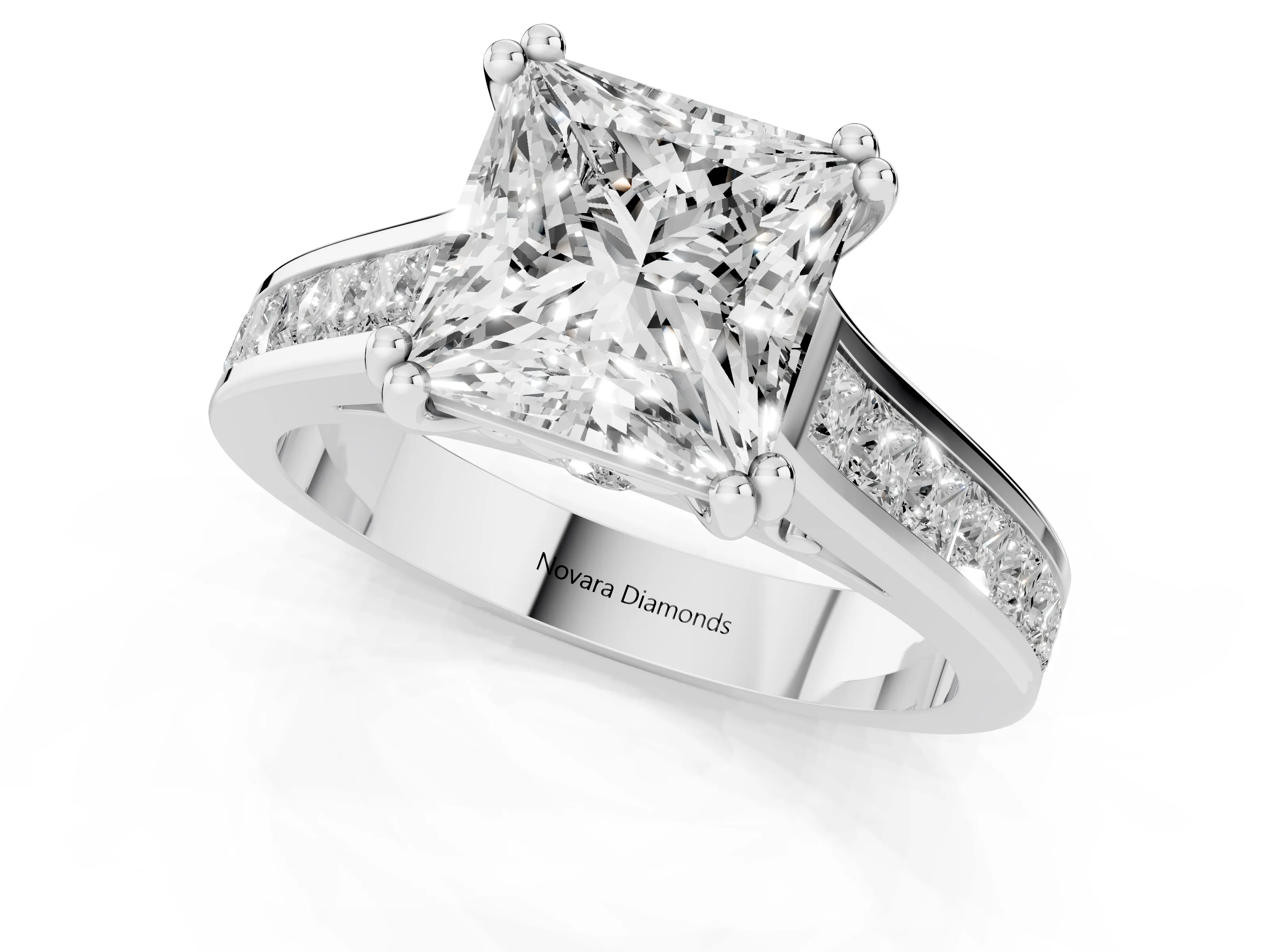
$1,209 $2,418
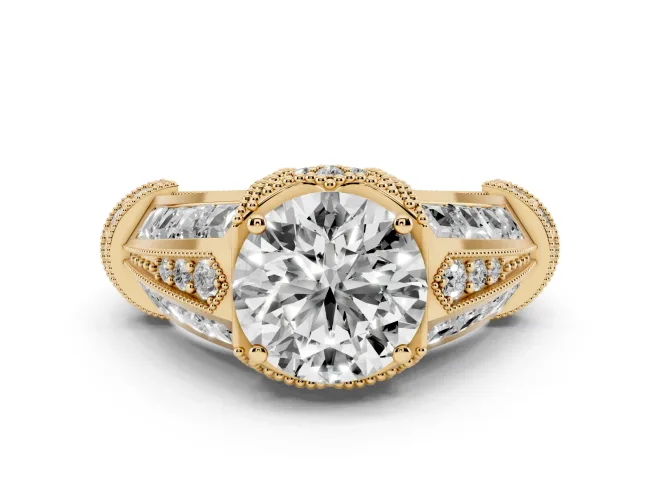
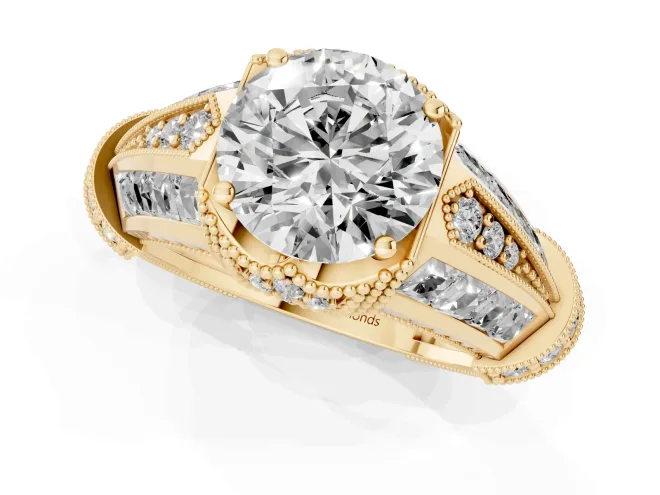
$2,759 $5,518
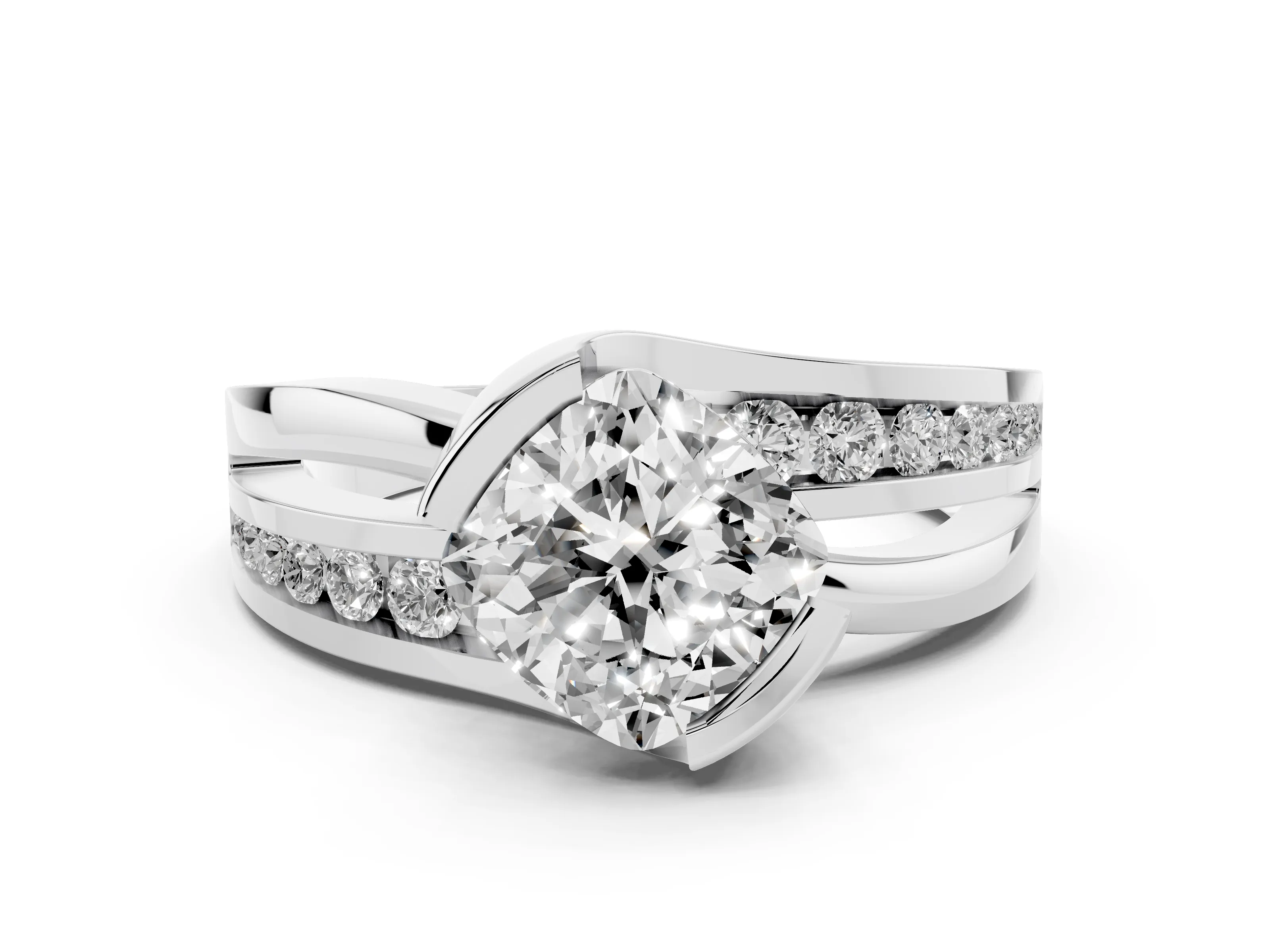
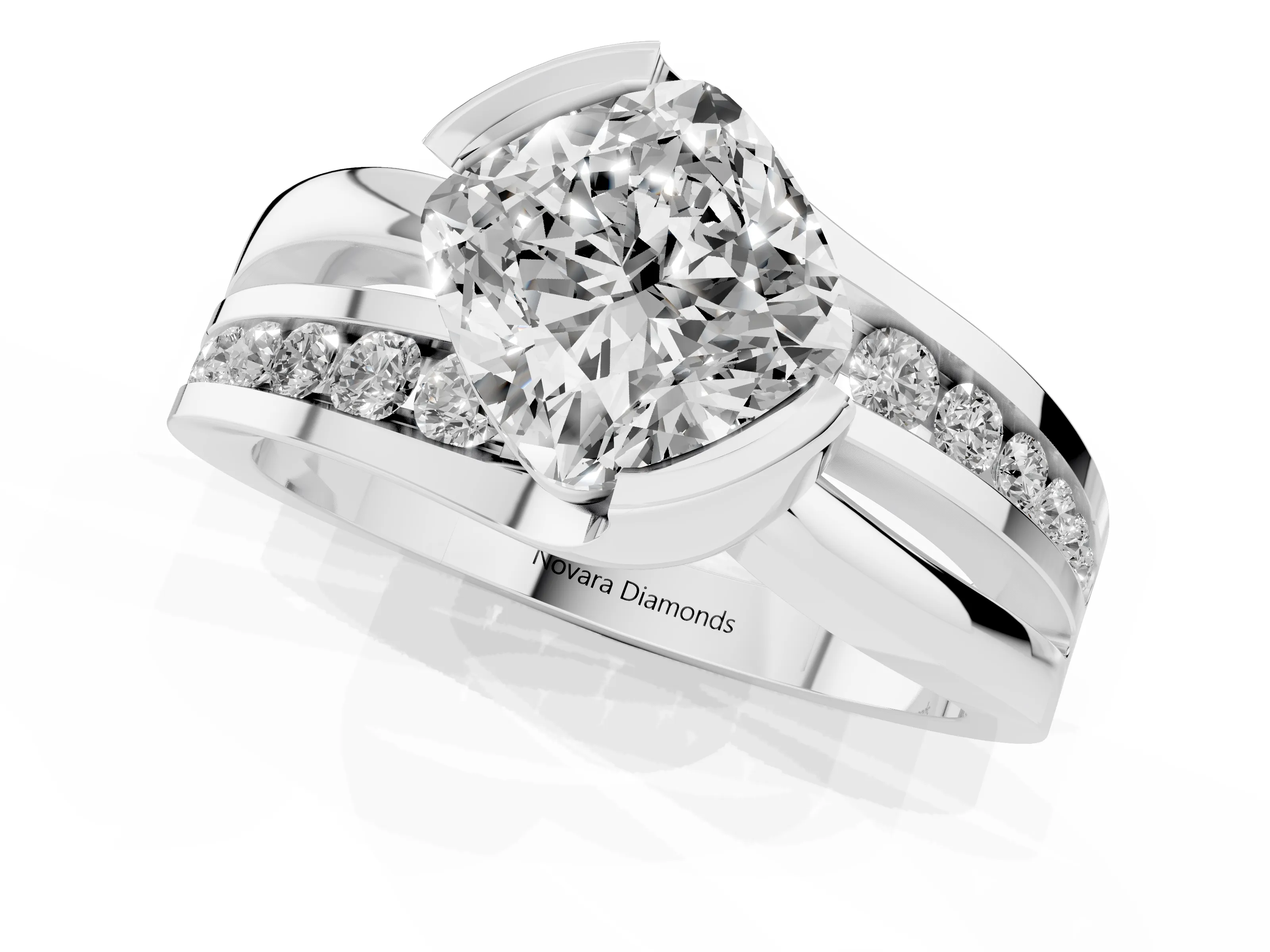
$1,279 $2,558
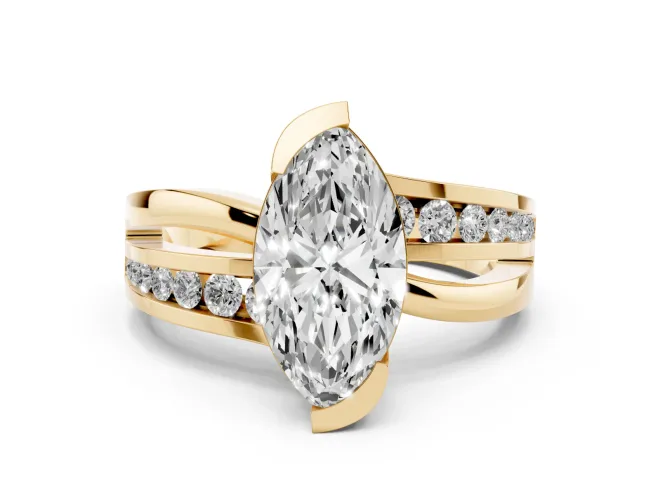
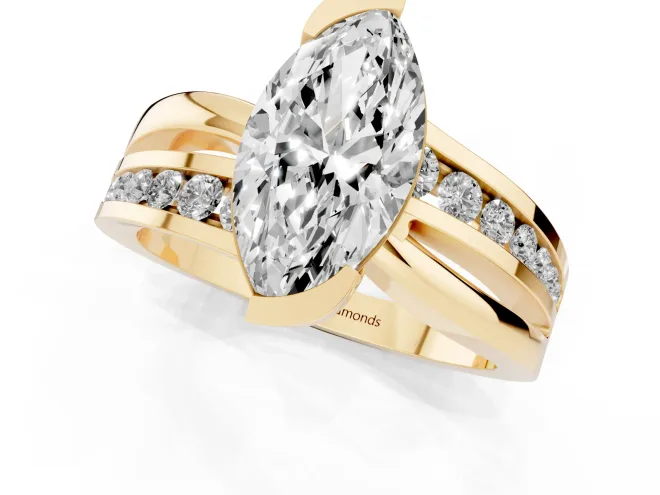
$1,279 $2,558
$1,739 $3,478
$1,539 $3,078
$2,549 $5,098
Showing 1–14 of 132
Channel band or pavé
- Channel set: stones sit side by side under two metal rails, giving a smooth, secure edge.
- Pavé: tiny beads of metal hold each stone, showing more diamond and less metal.
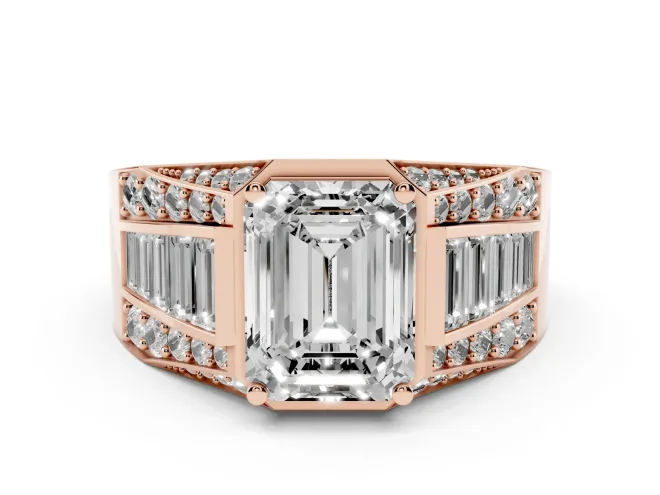
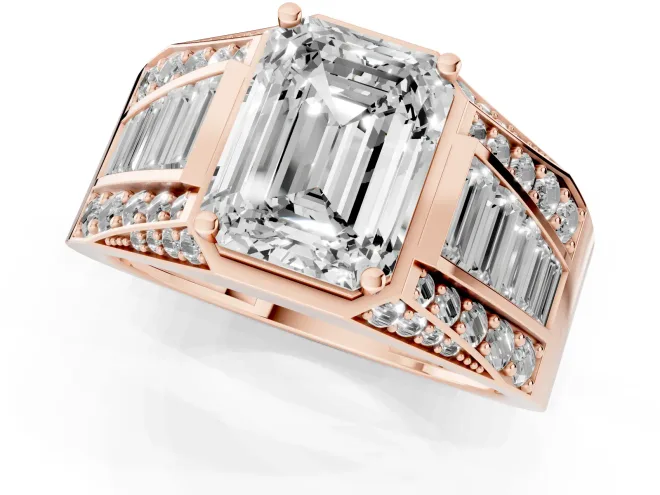
Some designs here combine the two, with a channel band below a pavé or halo head.
Rows, baguettes and graduated lines
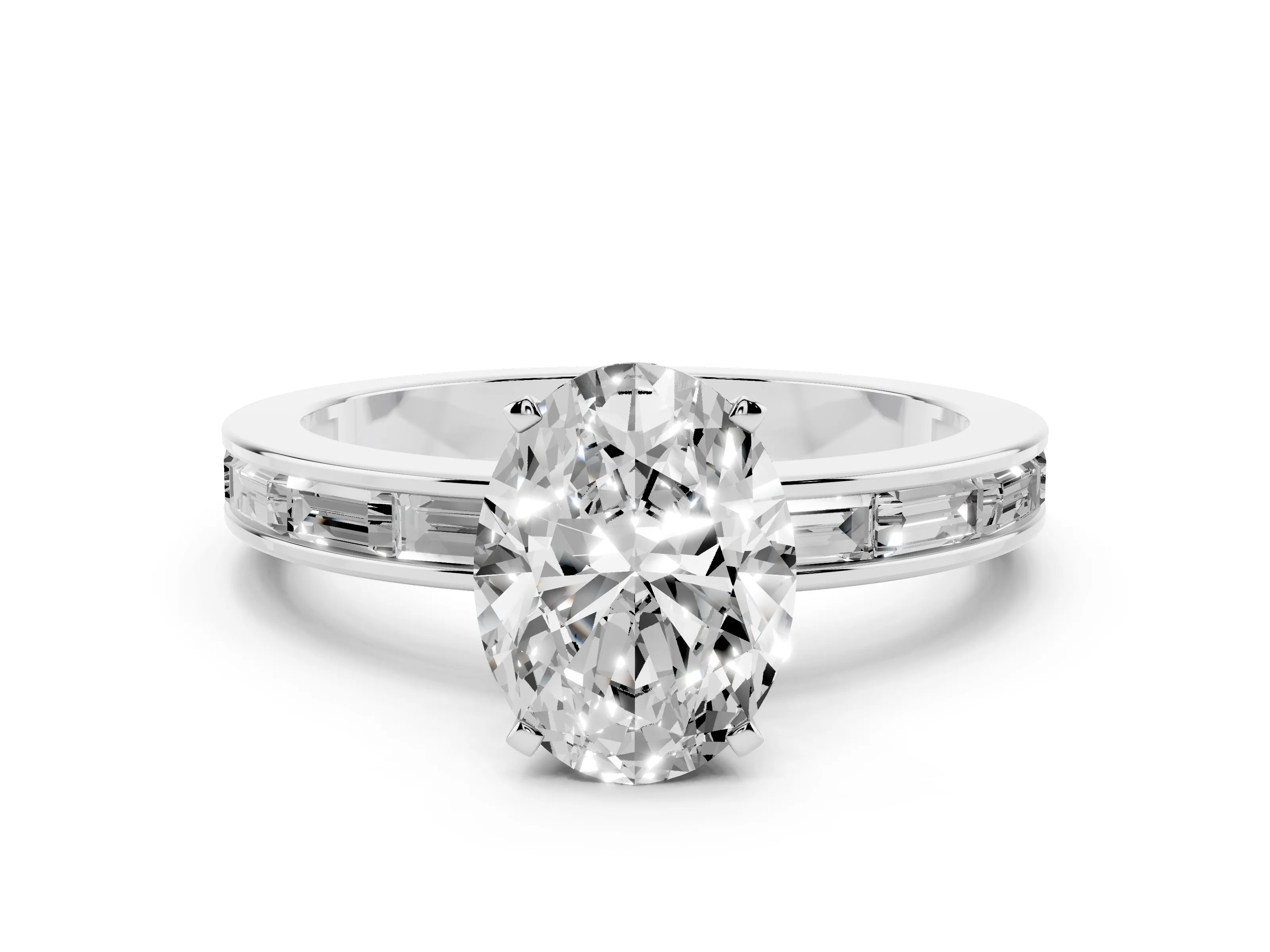
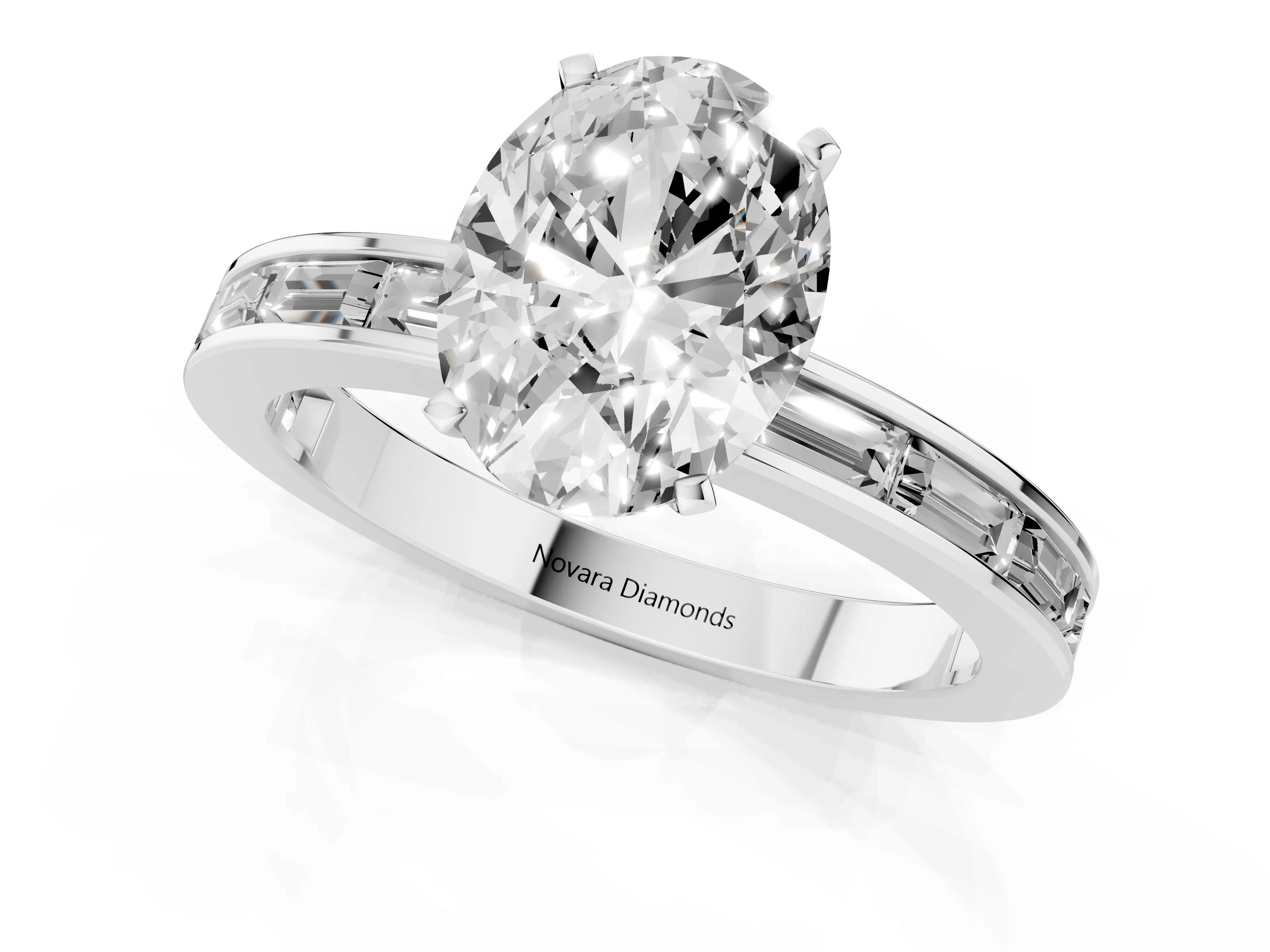
Many designs run round side stones down the shoulders in a straight channel. A few use baguettes, whose long step facets flash rather than twinkle, and a few graduate them, small at the back and larger near the center. Cathedral, split shank, vintage milgrain and half bezel heads appear on some designs. Most settings take a radiant, emerald, cushion or round center, and most also offer fancy-color centers in yellow, pink, blue or green.
Metal and karat
Gold comes in 10K, 14K or 18K, in white, yellow or rose. Platinum, the densest option, keeps channel walls rigid over years of wear. Silver is offered as Silvadium, a sterling silver alloy made to resist tarnish. Men's styles show up on a few designs.
Keeping the channel clean
Soap and lotion settle along the channel walls and dull the accents. Brush along the groove with a soft toothbrush and warm water, then rinse well. Hard knocks can bend a wall and loosen a stone, so have the channel checked during a yearly prong inspection.
Channel Set Engagement Rings: Common Questions
What is a channel-set engagement ring?
It is a ring whose accent diamonds line up in a recessed groove, gripped by two parallel metal walls instead of separate prongs. The stones form an unbroken row with a smooth top edge. Here the channel holds lab-grown diamond accents; you pick the center separately.
Is channel-set better than pave?
Neither is better; they suit different priorities. A channel holds stones more securely and snags less, since metal walls cover their edges. Pavé shows more diamond and less metal, so it sparkles more, but its tiny prongs need more checking. For hands-on work, a channel band is the more practical pick.
Do channel-set diamonds sparkle?
Yes, slightly less than pavé. The walls cover each stone's edges, so light enters mainly through the top. Set close together, channel accents still read as one bright, continuous line. Baguettes in a channel give a broad, flashing glint; rounds give a softer twinkle.
Are channel set diamonds safe?
Yes, they are among the most secure accent settings. Each stone is gripped along both edges by solid metal, with nothing raised to catch on fabric. The main risk is a hard knock that bends a wall and loosens a stone, so a jeweler should check the channel about once a year.
Can a channel-set ring be resized?
Usually yes, within limits. A jeweler sizes through the unset section of the shank, but large changes can strain the channel and loosen stones. One free resize is included within 60 days of delivery: within one size the ring is resized, and a bigger change means remaking it, which takes 10–15 days.