Tension Rings
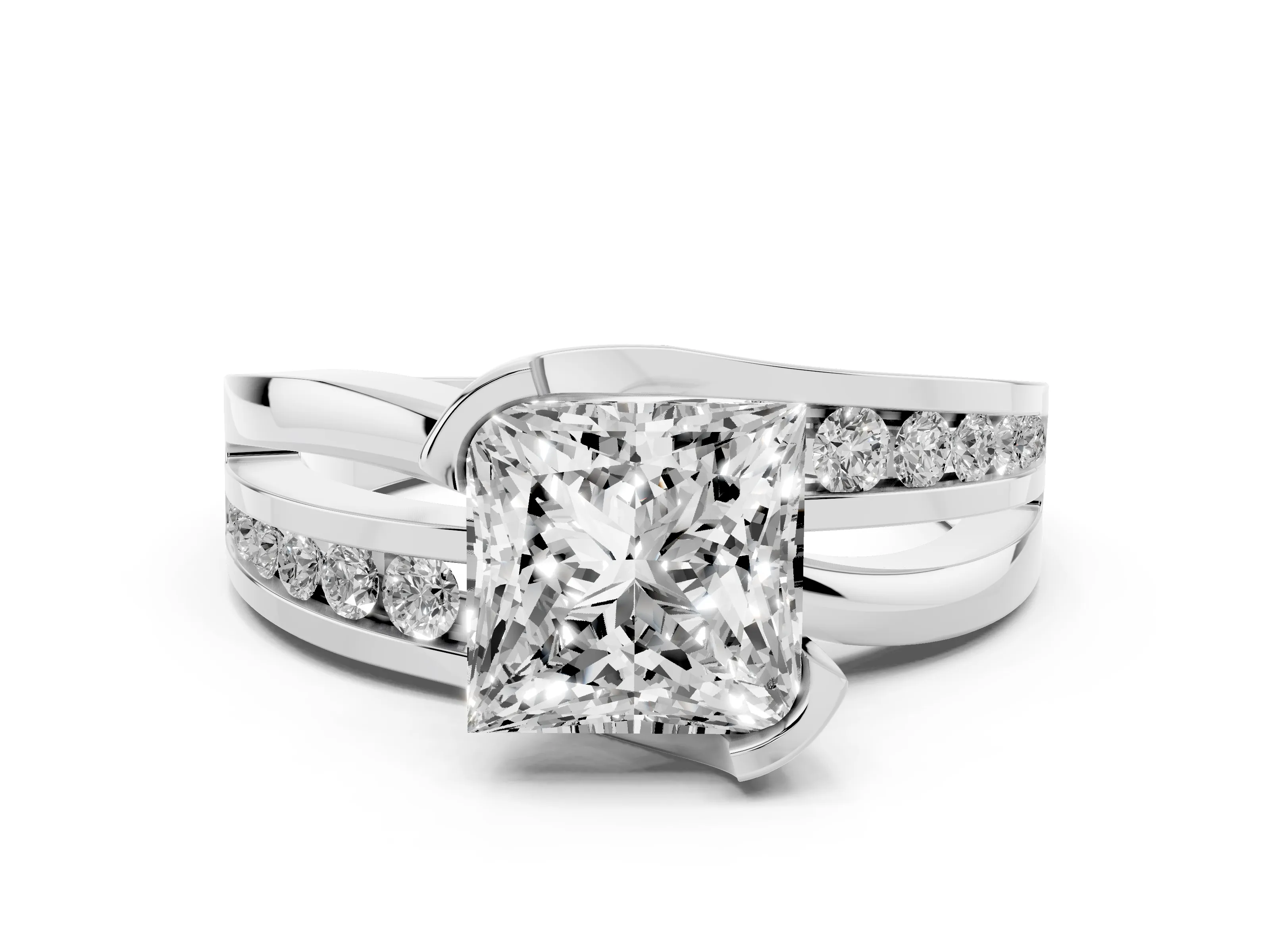
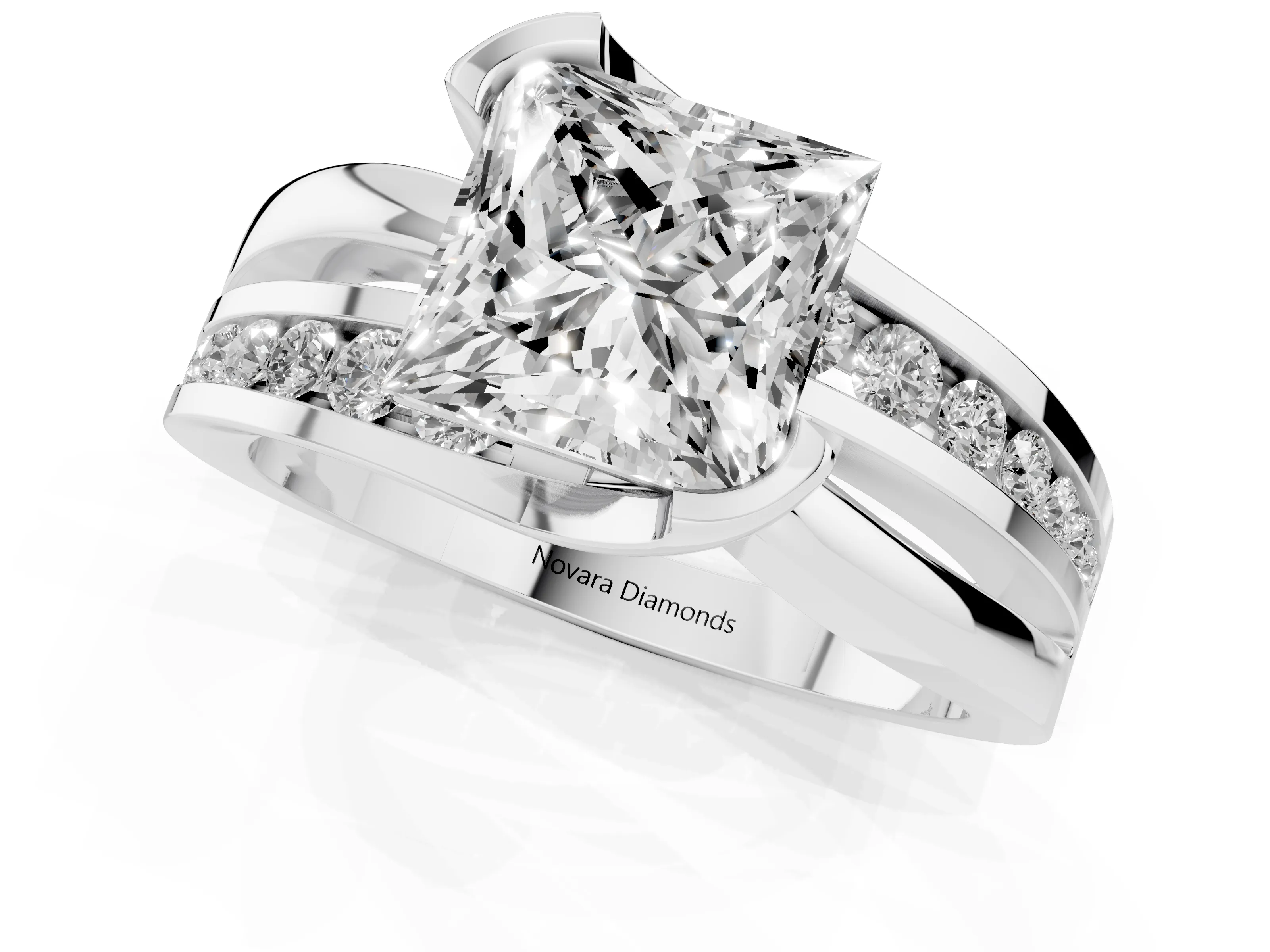
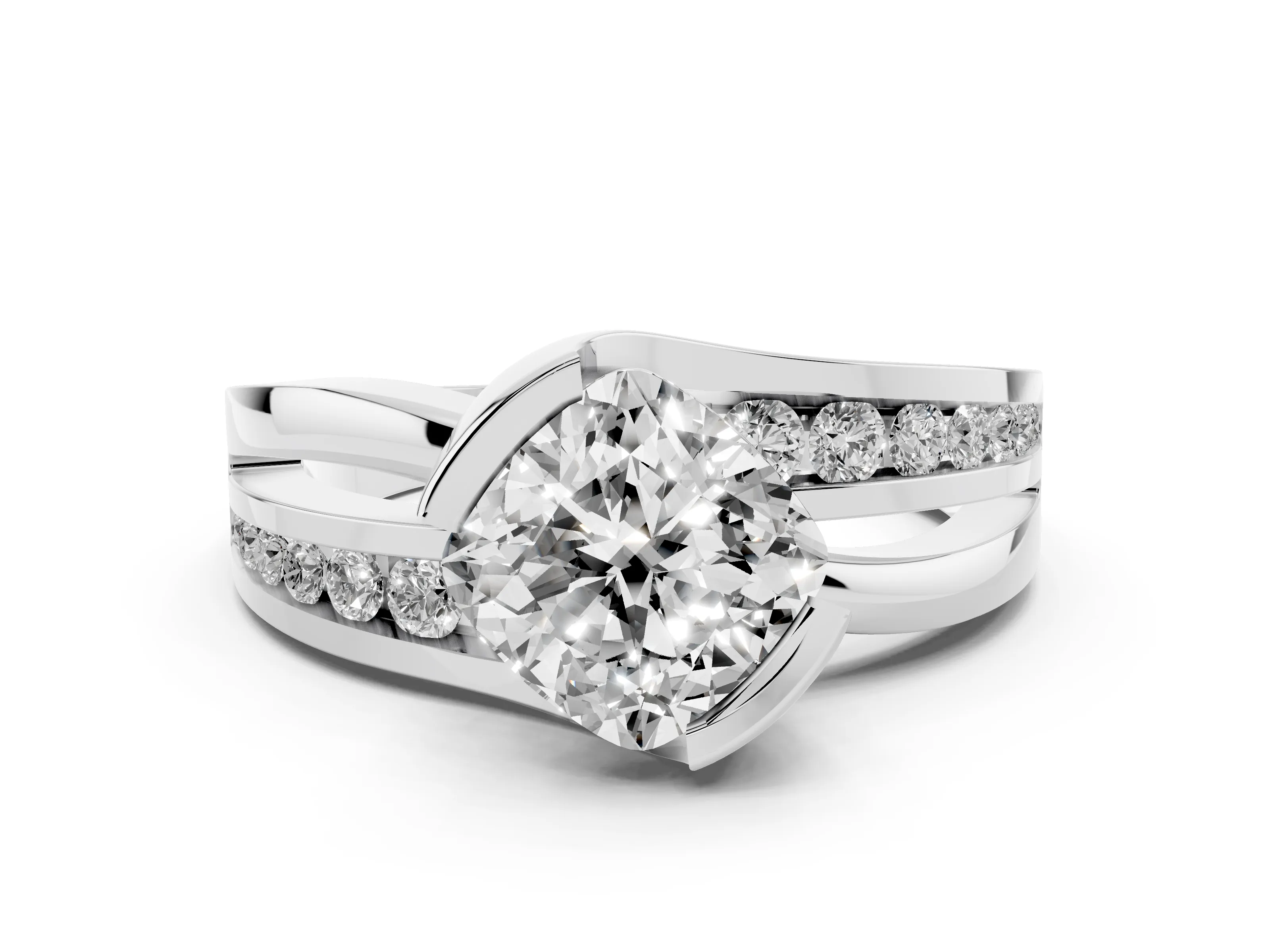
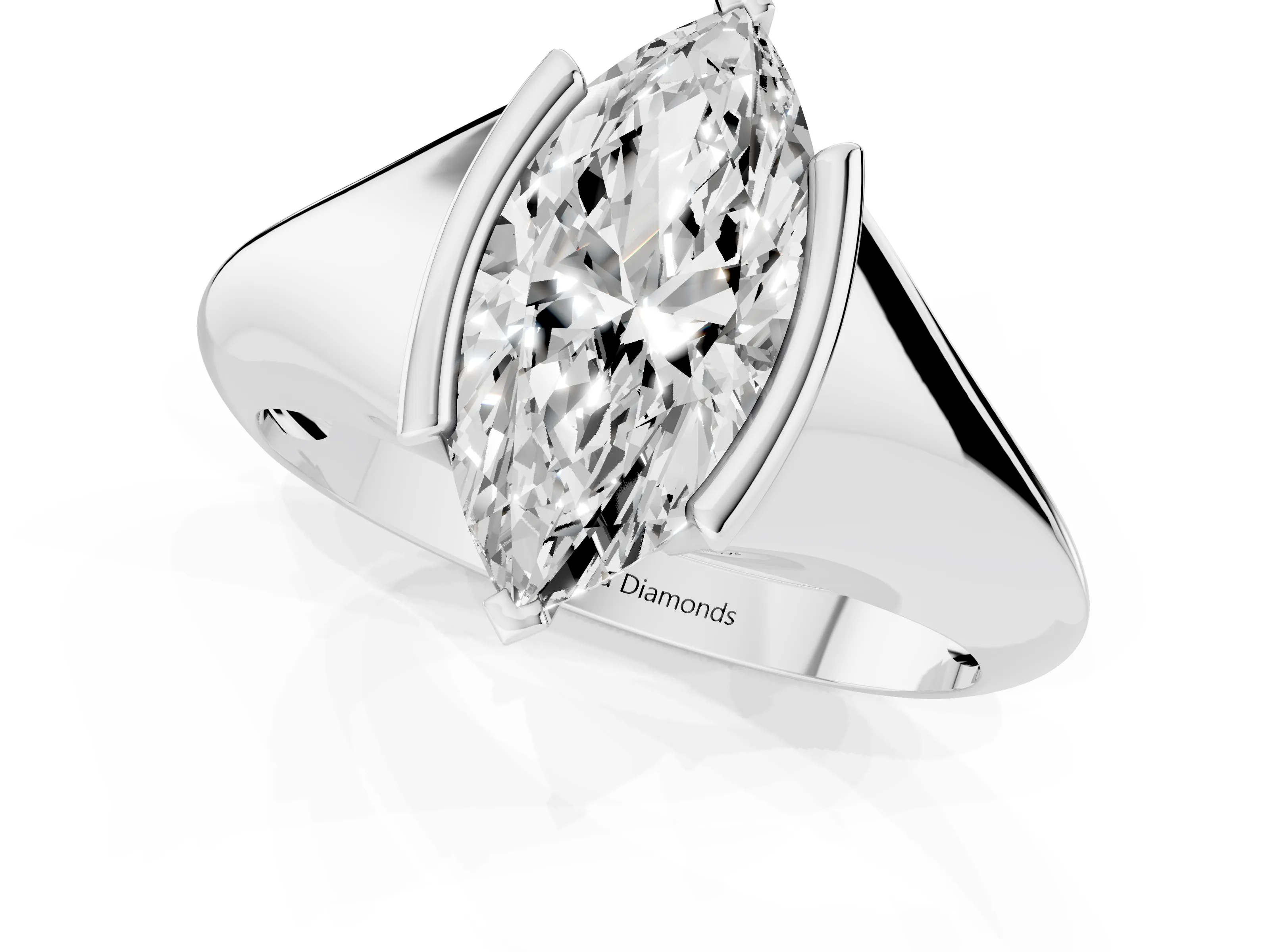
A center held between two ends of metal. Tension rings grip the stone from either side of the band, leaving the stone's flanks open to light as well as its top. These tension setting rings come in white, yellow or rose gold, platinum, or Silvadium, a sterling silver that resists tarnish. Metal and shape are set here; the center diamond is selected at the following step.




$1,279 $2,558
$1,279 $2,558
$1,279 $2,558
$1,279 $2,558
$1,279 $2,558
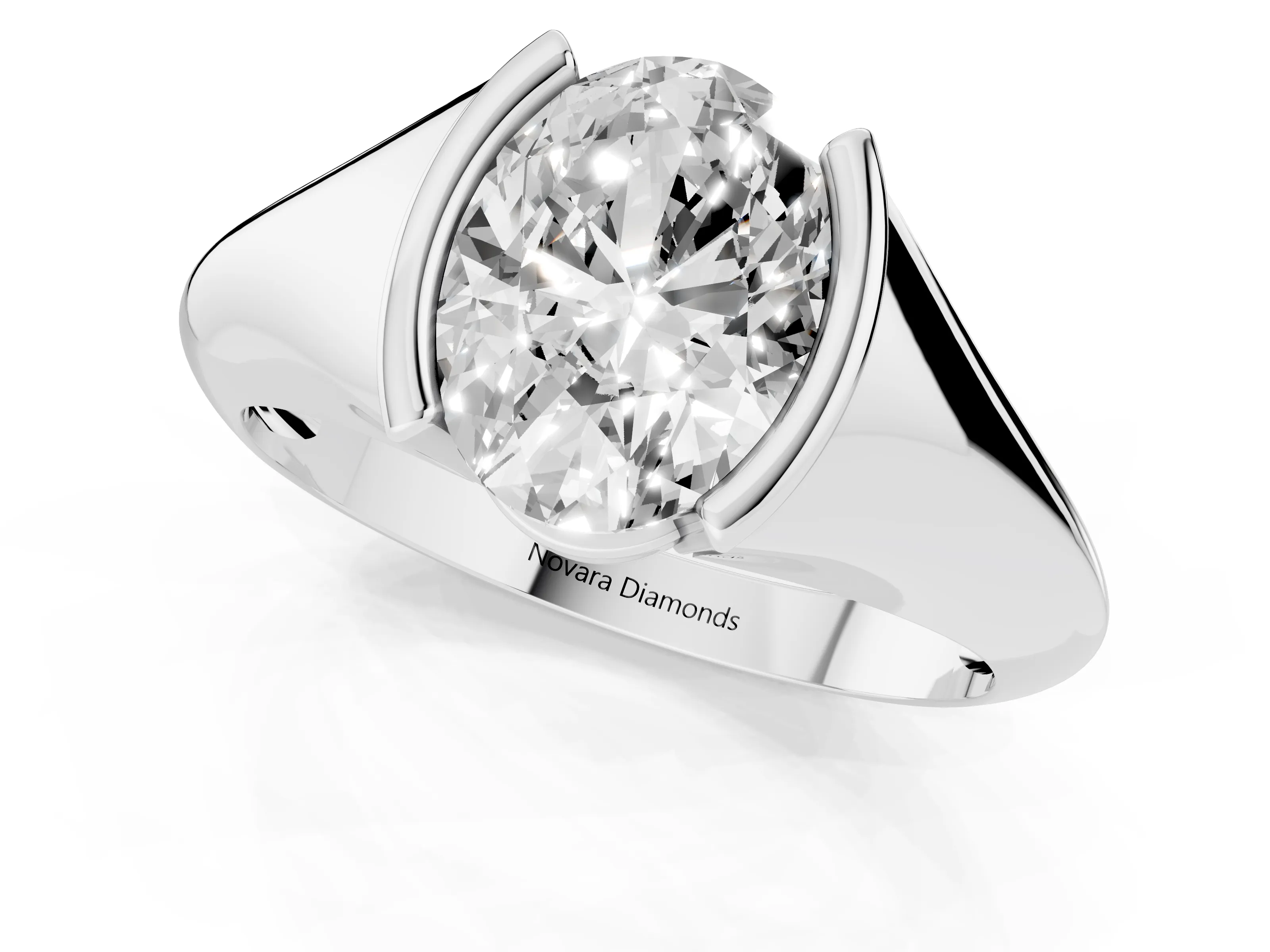
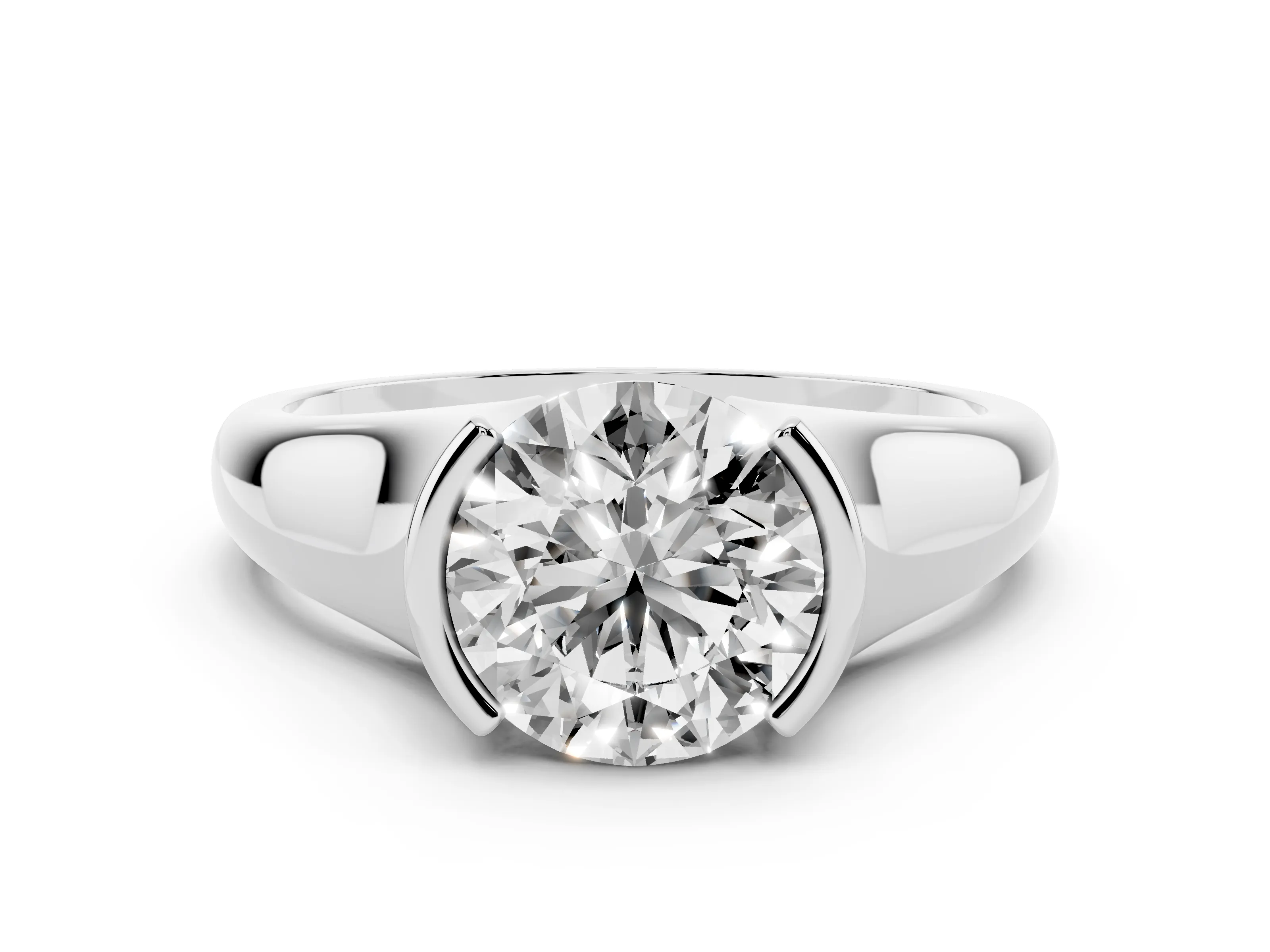
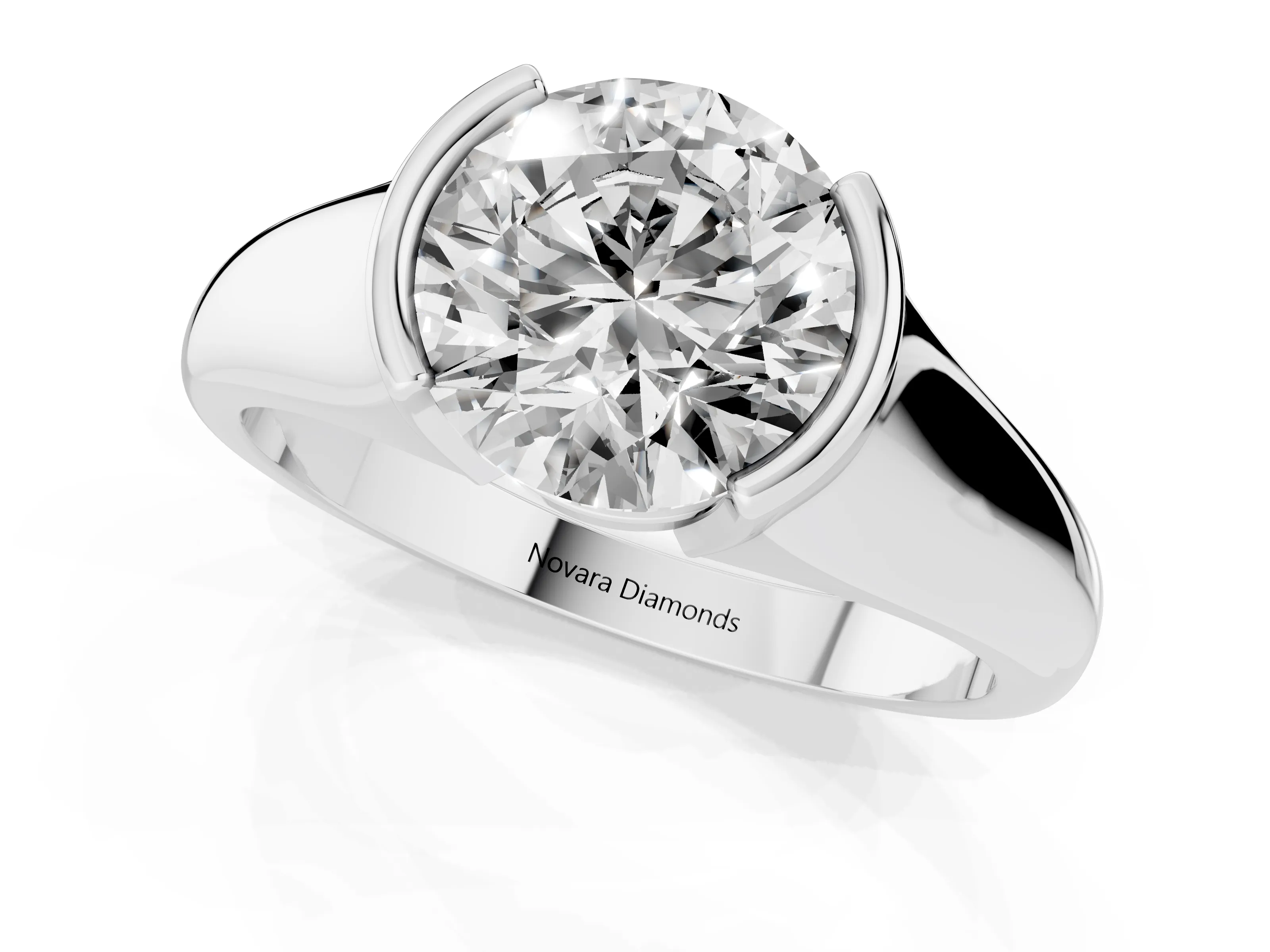
$1,579 $3,158
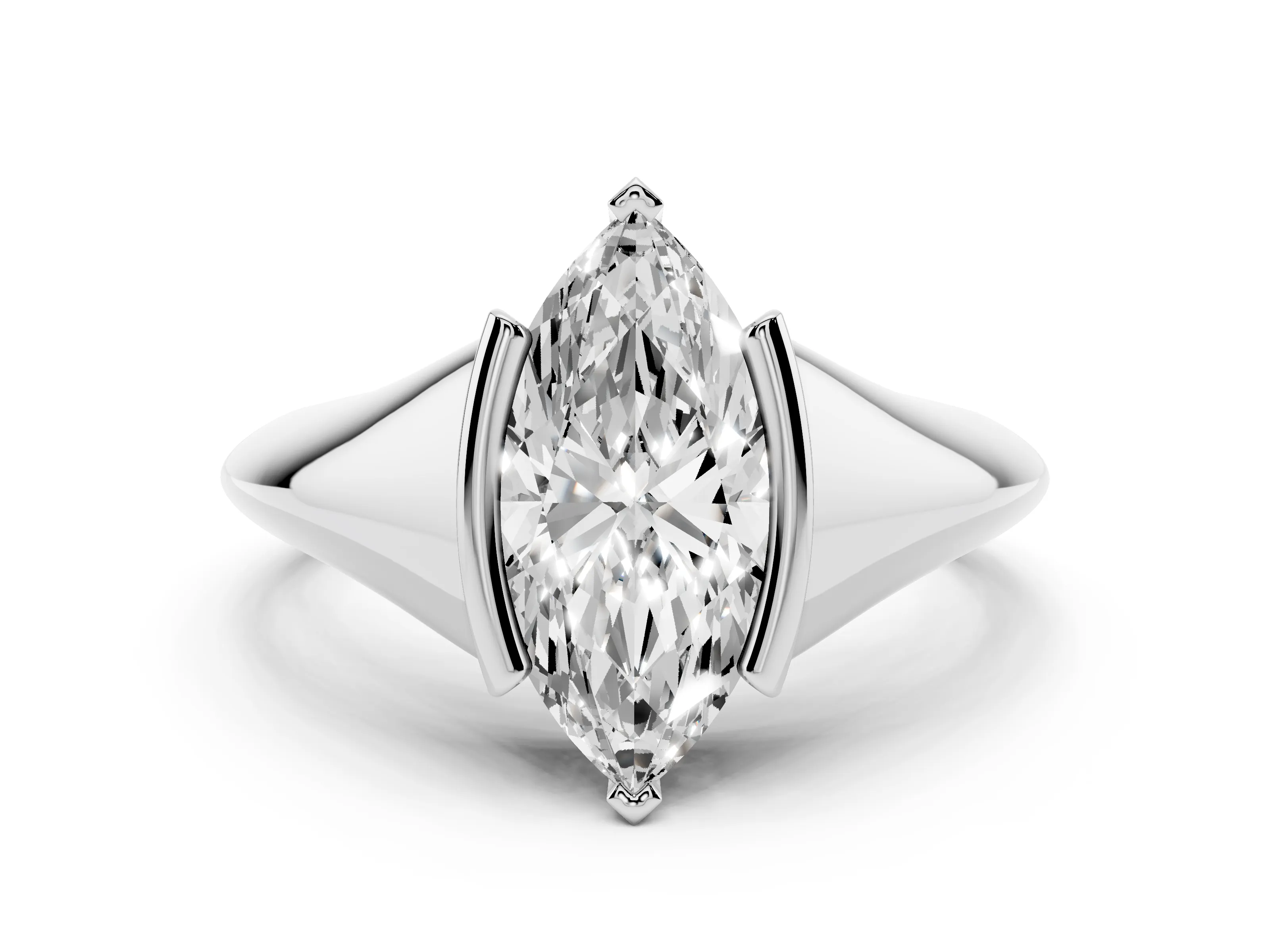
$1,449 $2,898
$3,019 $6,038
$1,279 $2,558
$1,279 $2,558
Showing 1–14 of 39
More to discover
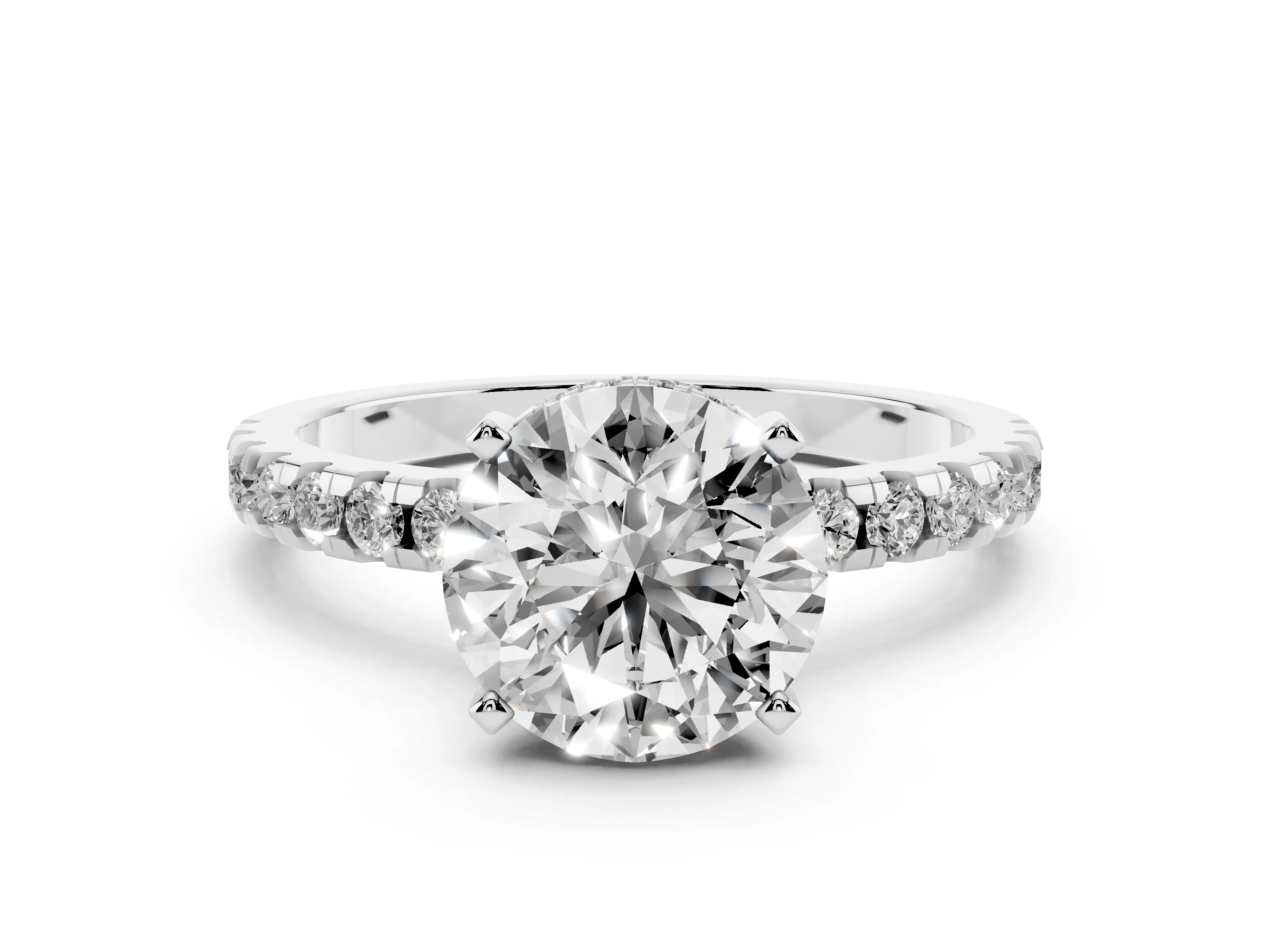 Solitaire Engagement Rings
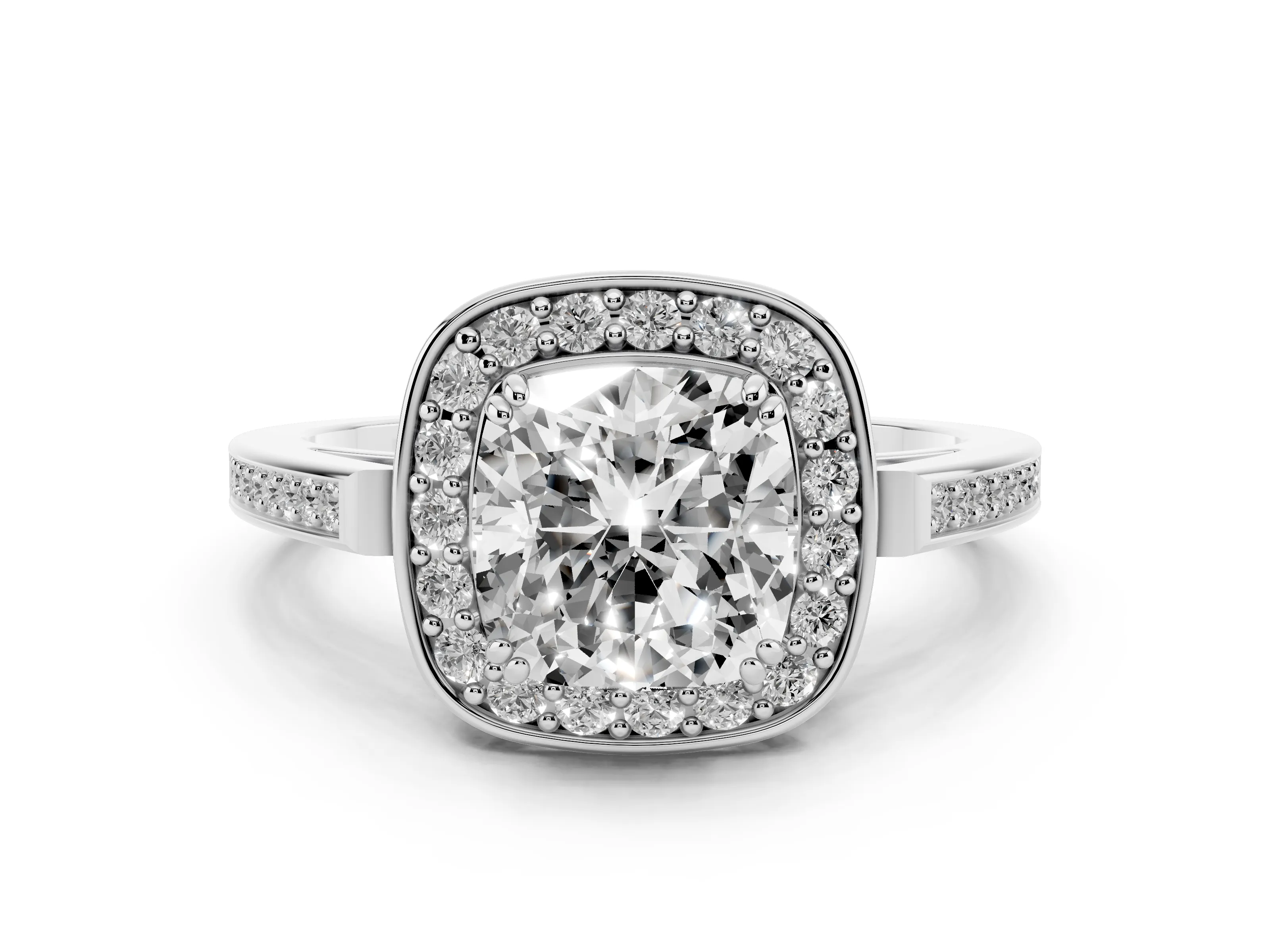 Halo Engagement Rings
 Bezel Engagement Rings
 Three Stone Engagement Rings
 Engagement Rings with Cluster Sides
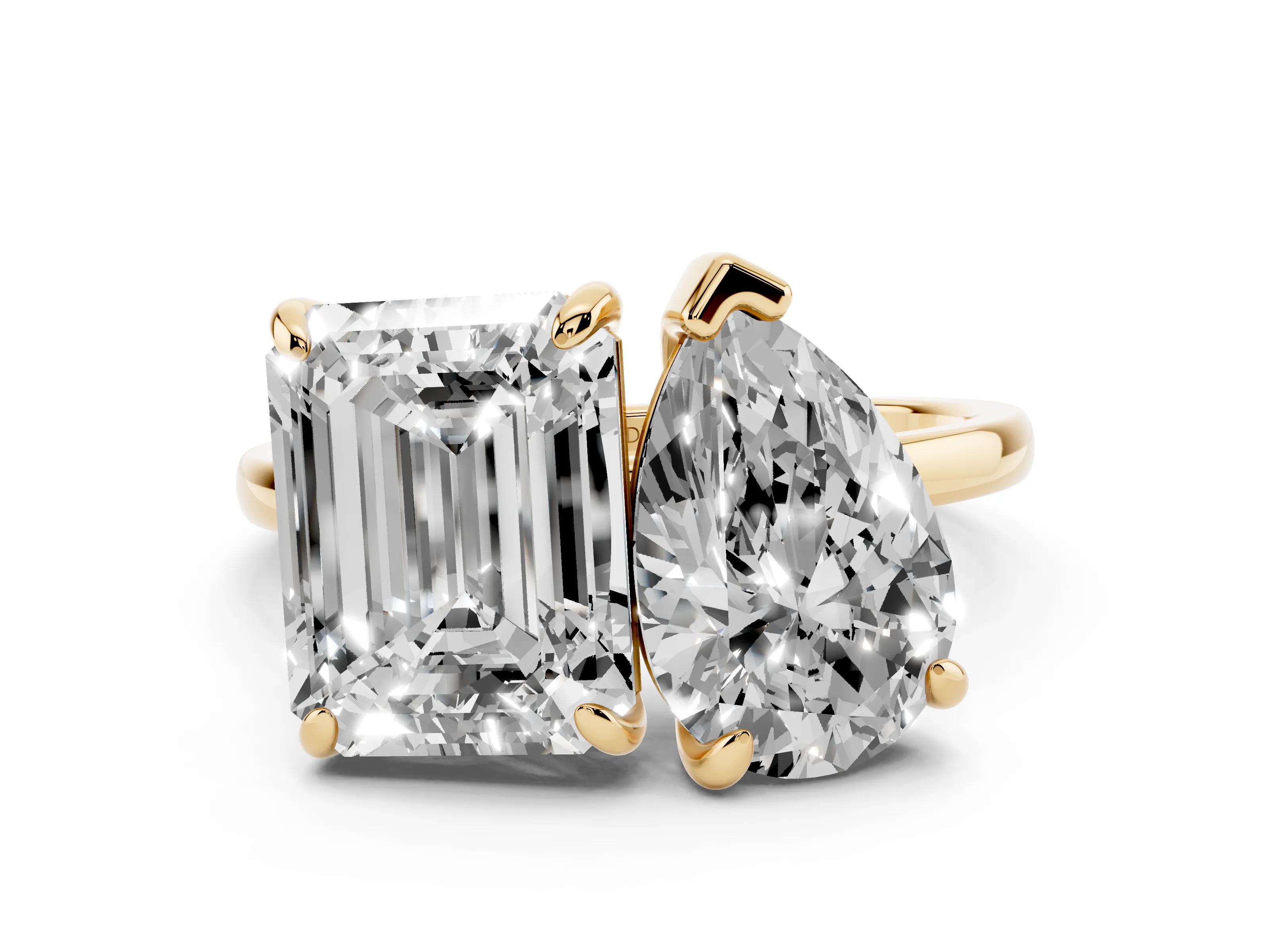 Toi et Moi Rings
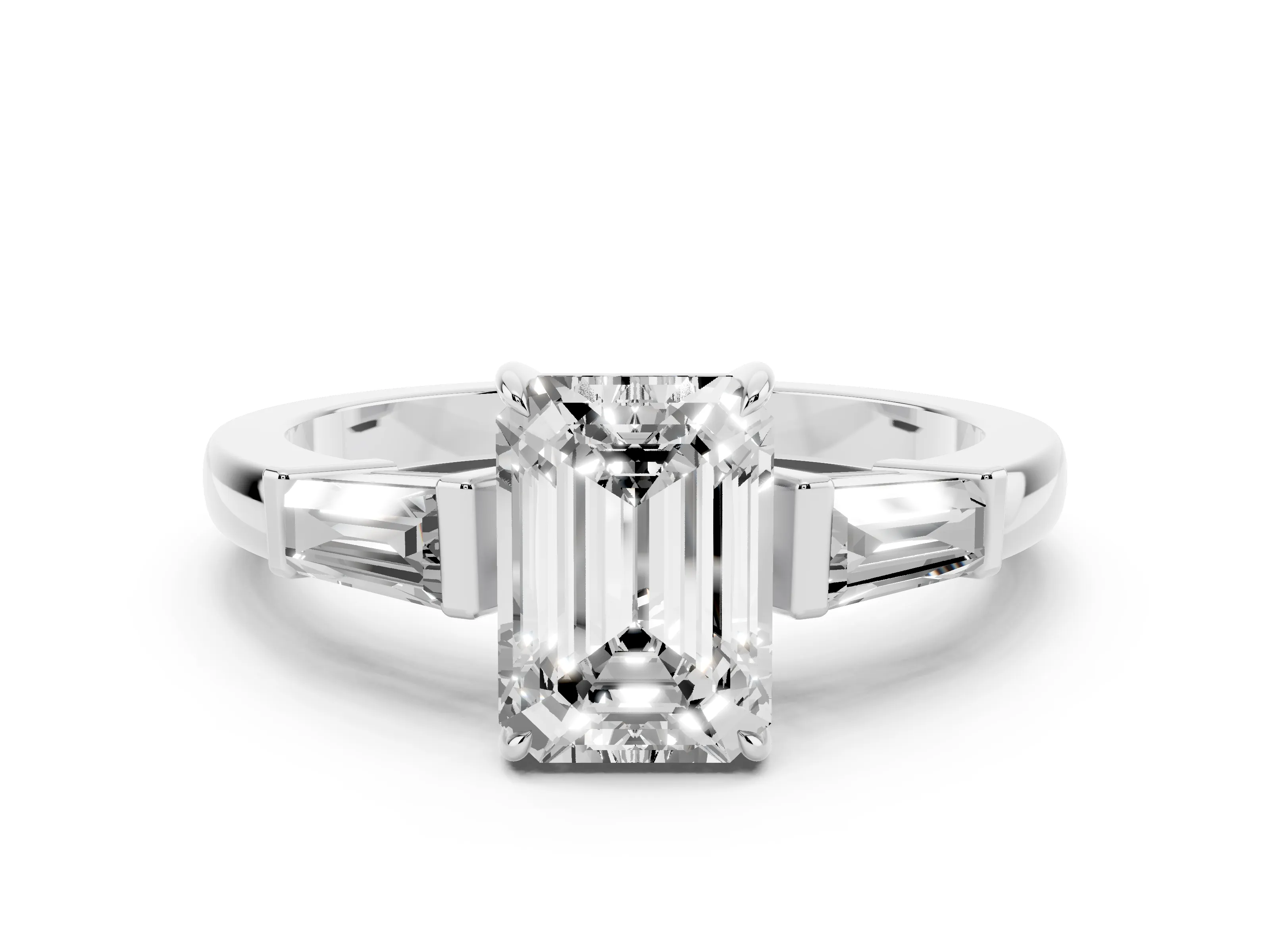 Baguette Diamond Engagement Rings
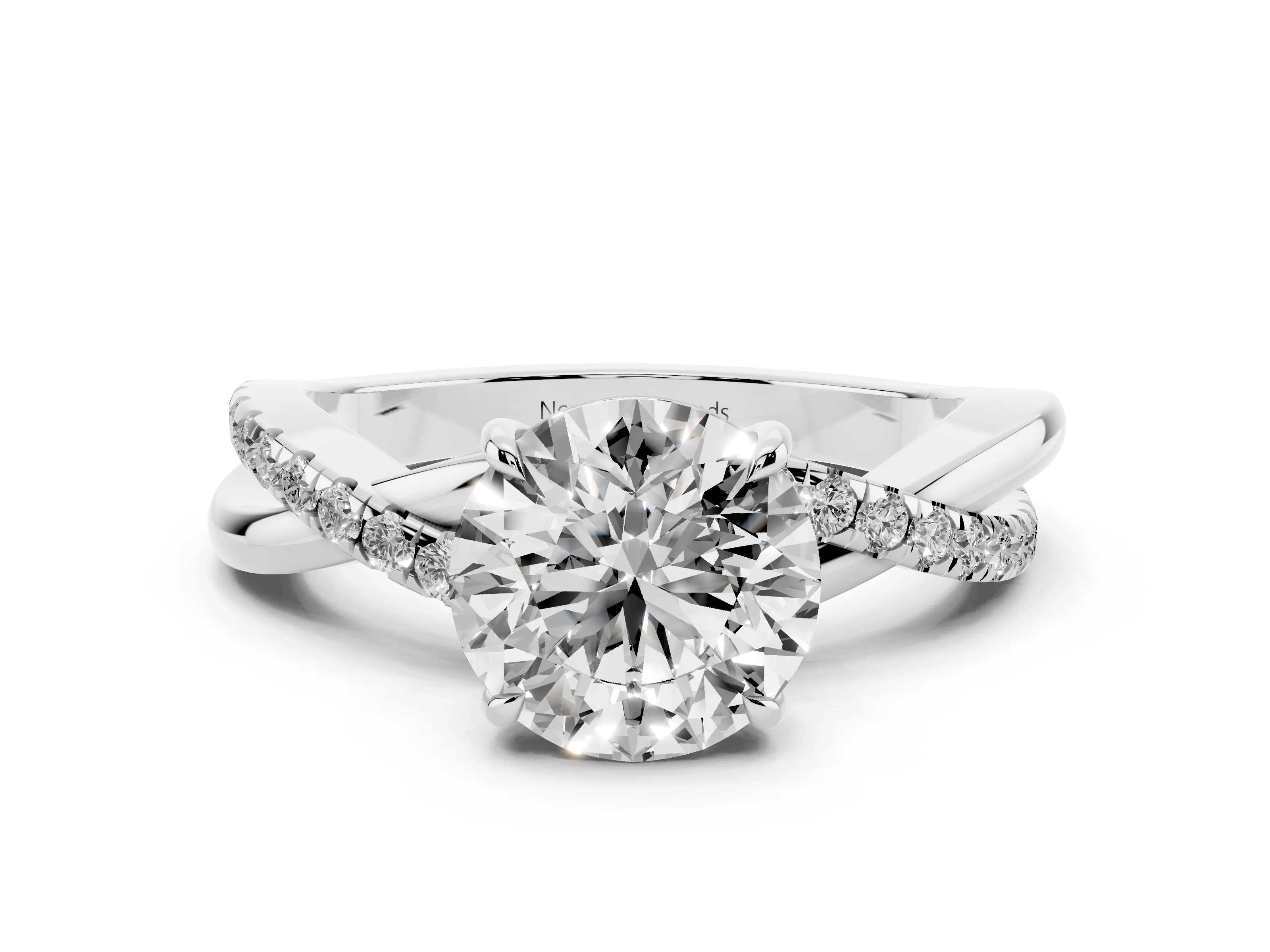 Infinity Rings
 Engraved Rings
 Cathedral Engagement RingsHidden Halo Engagement RingsFiligree Engagement Rings
How the center is held
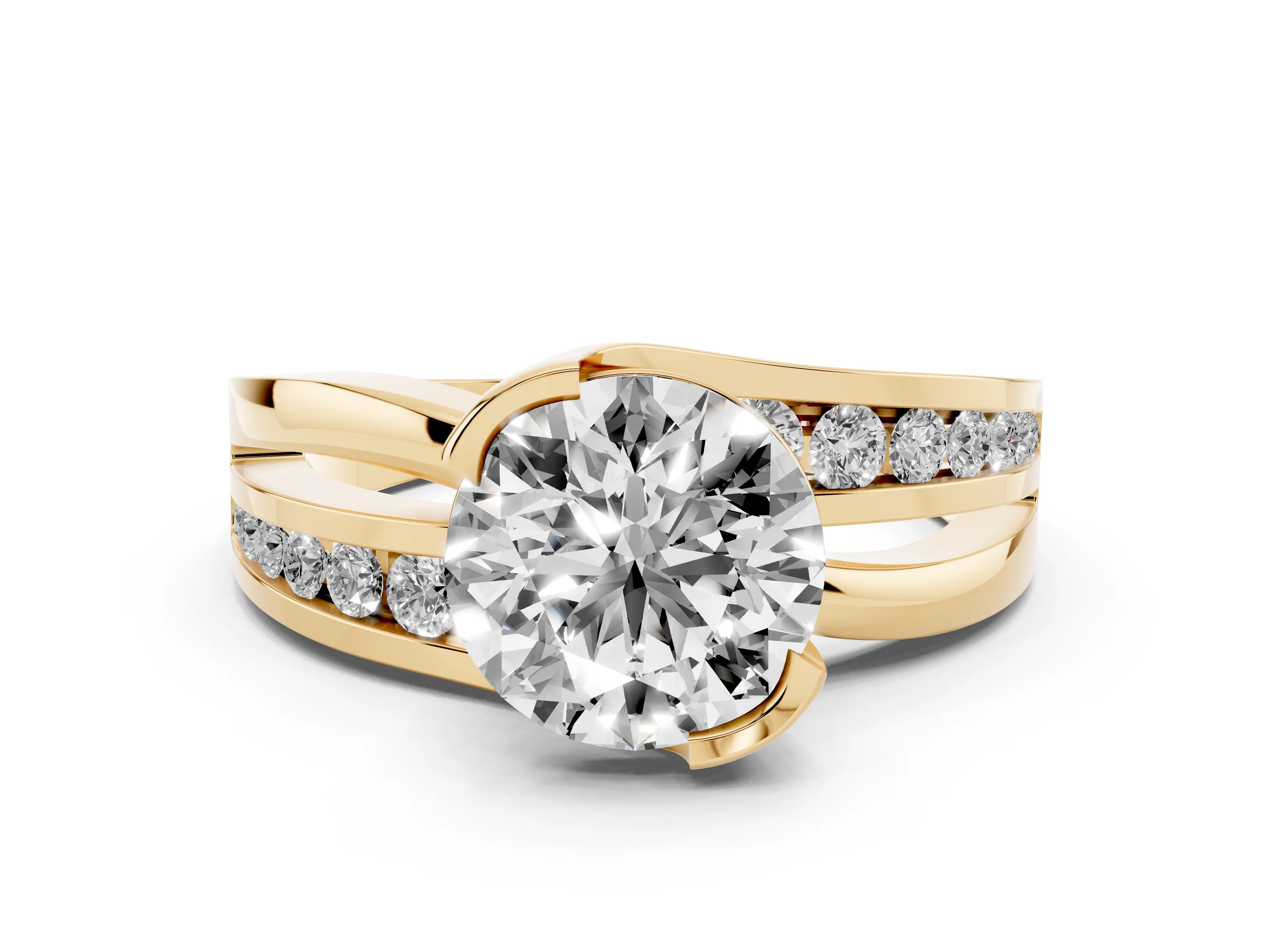
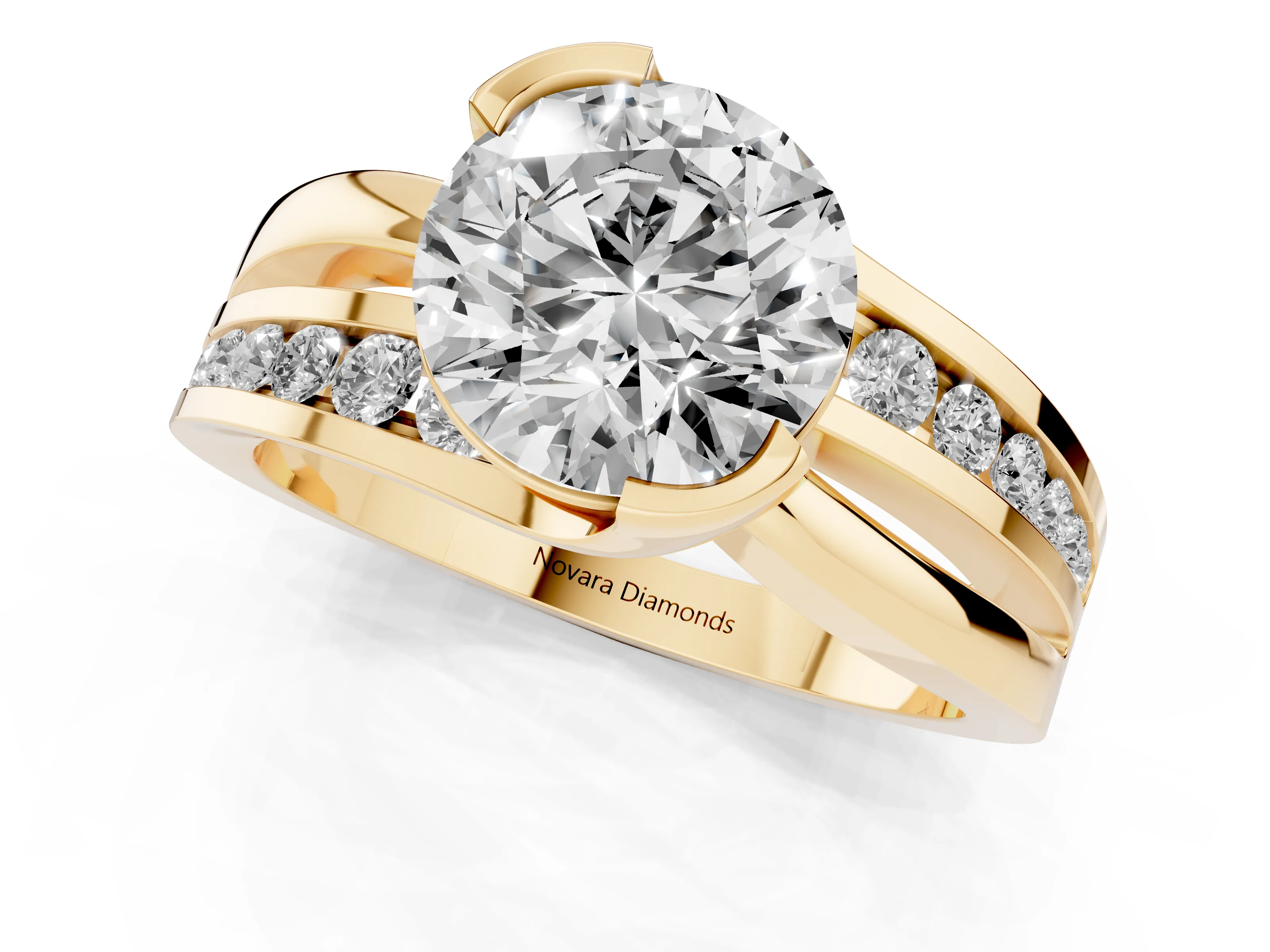
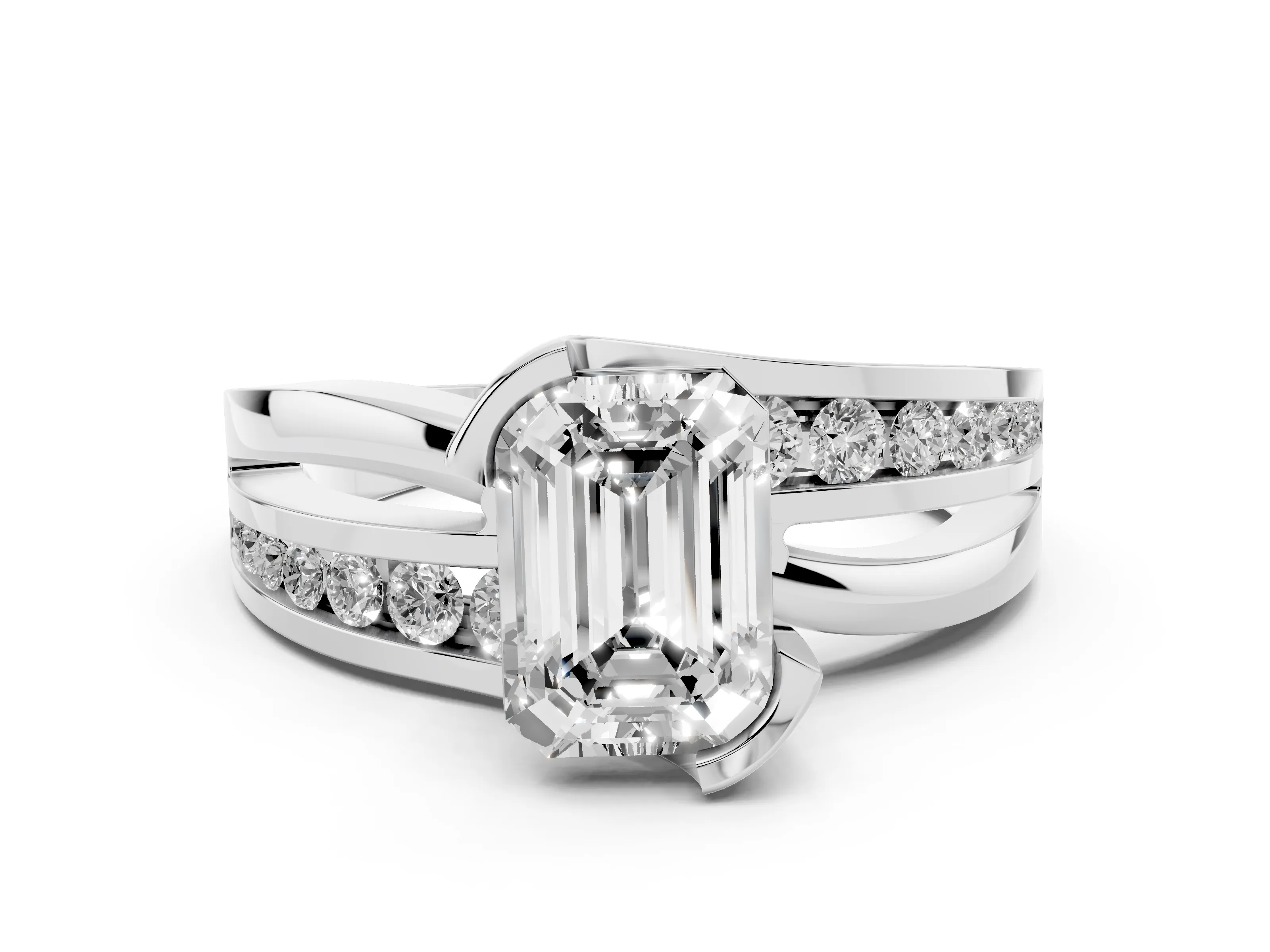
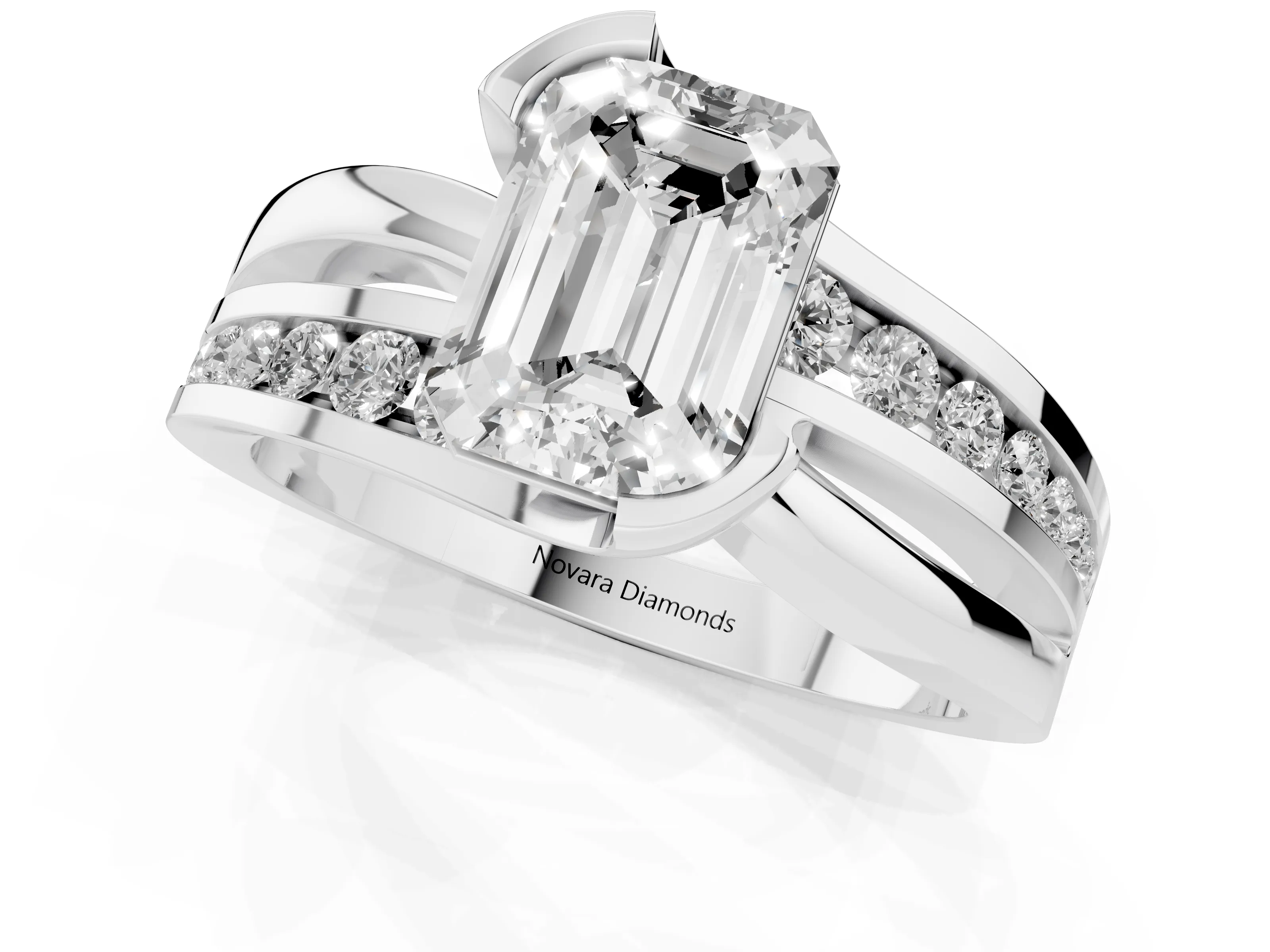
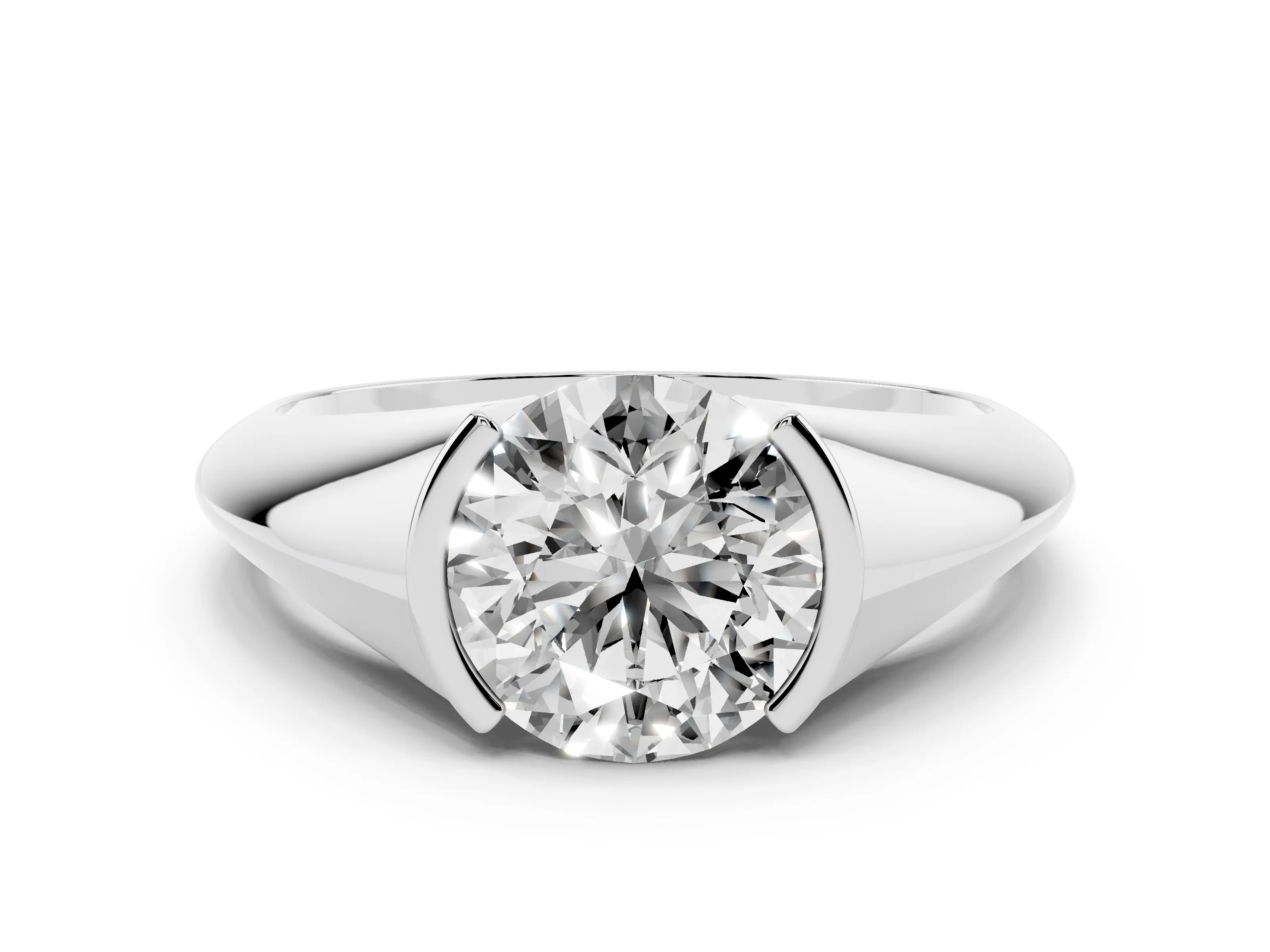
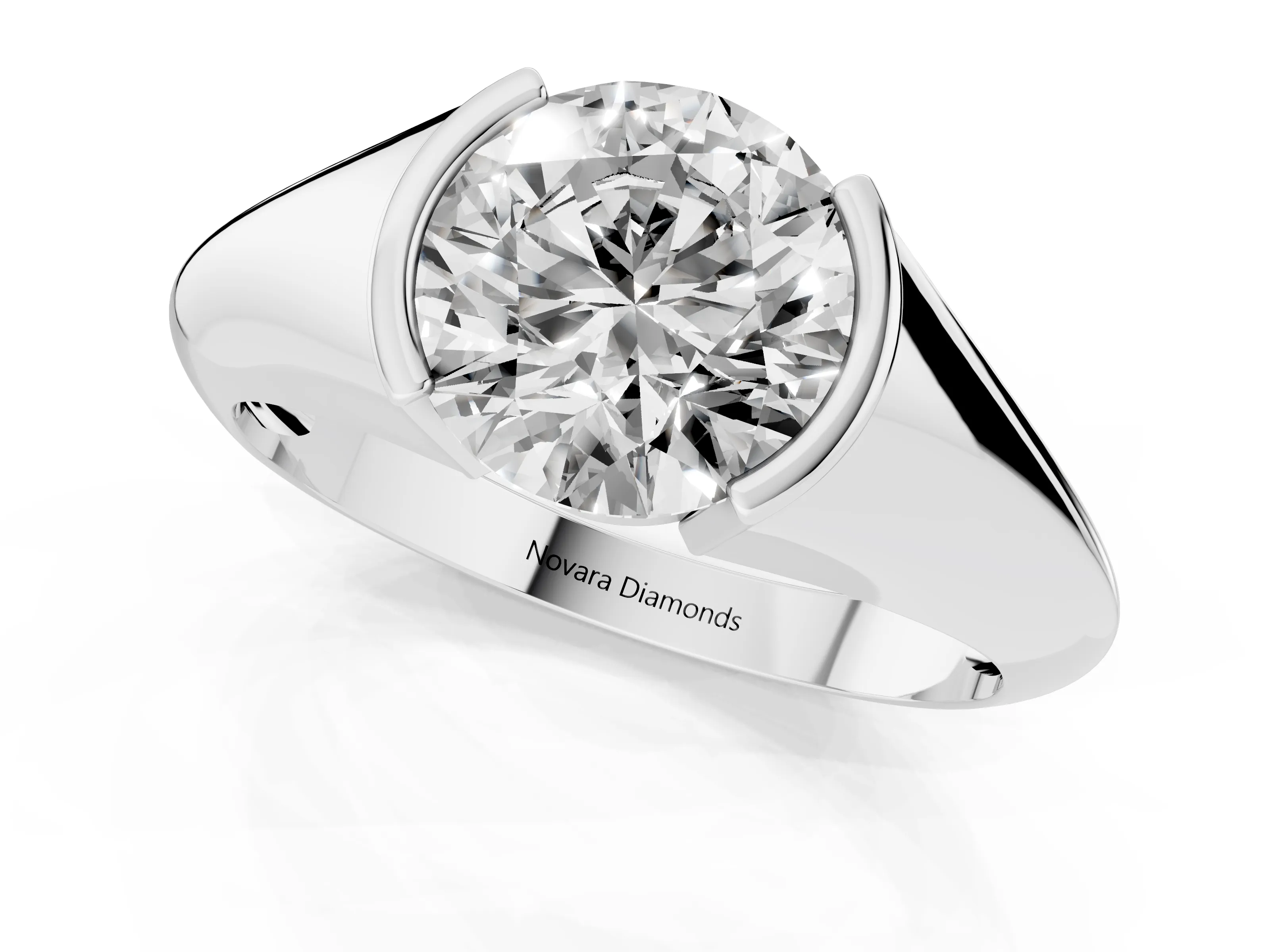
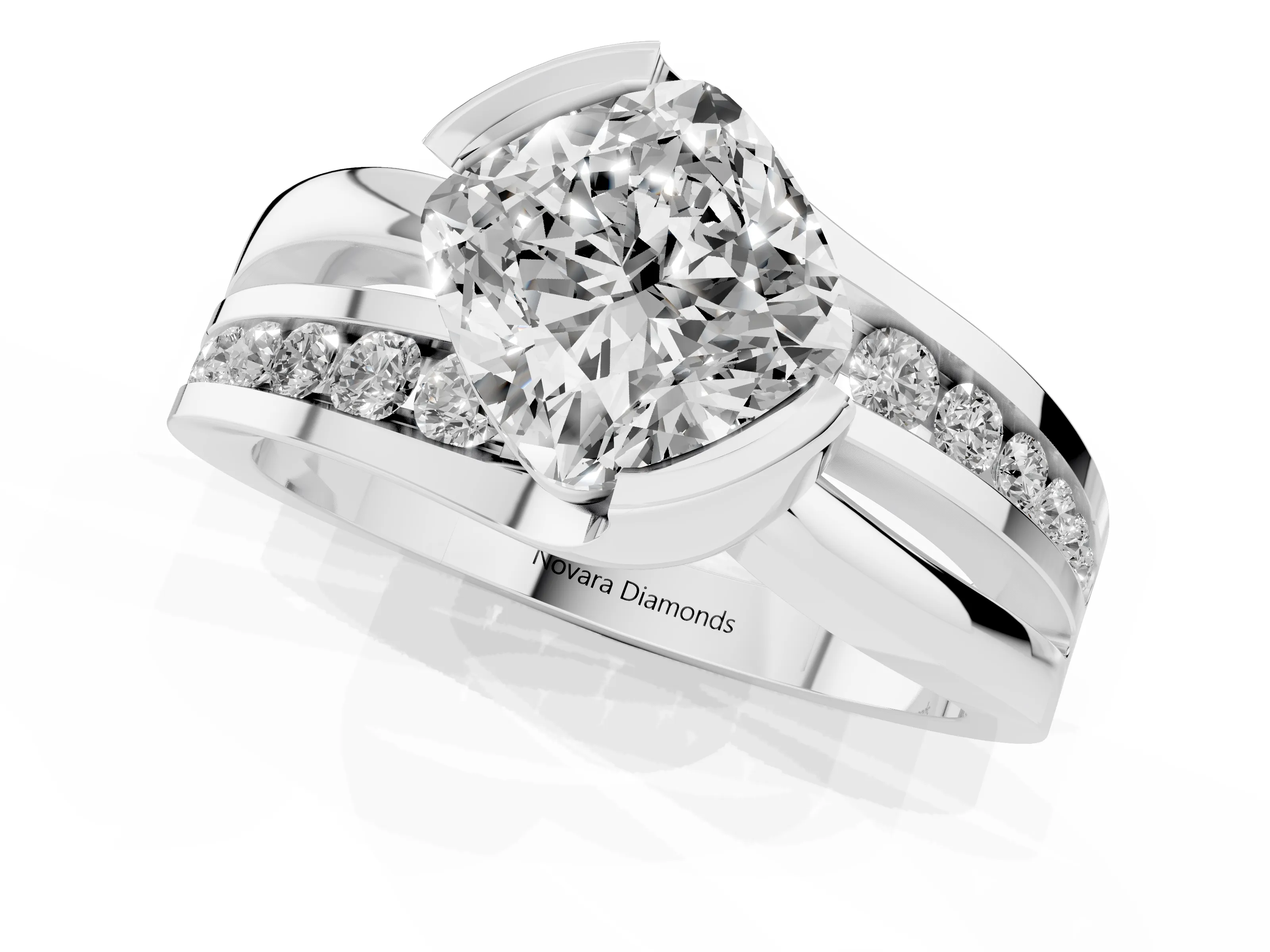
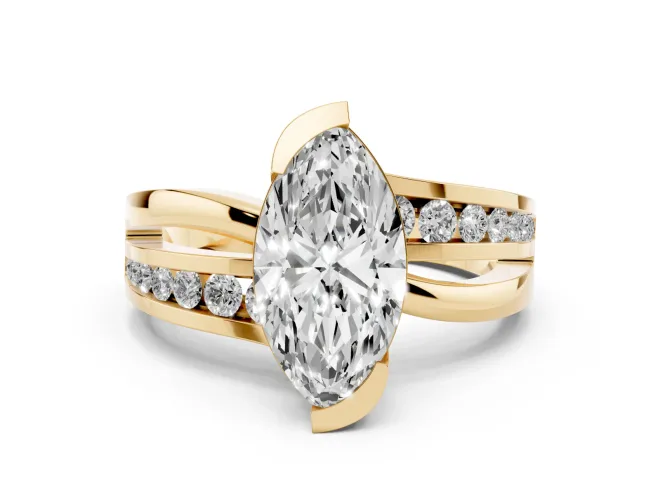
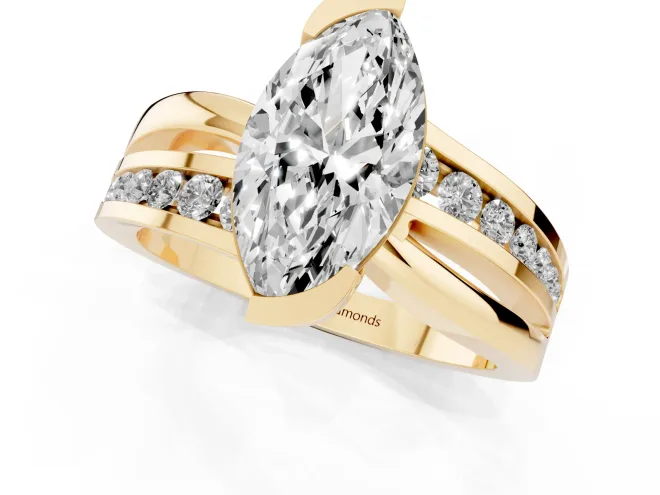
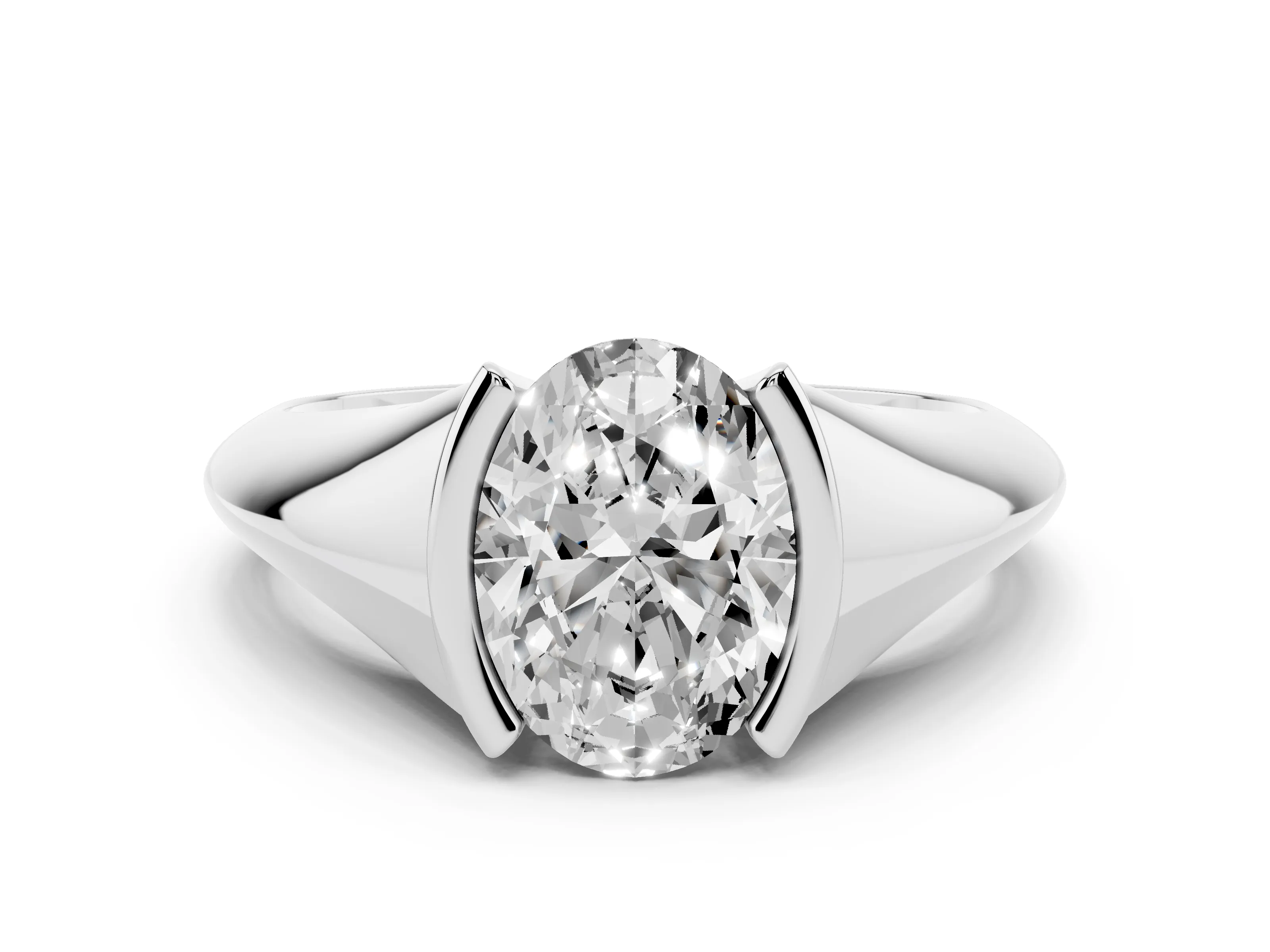
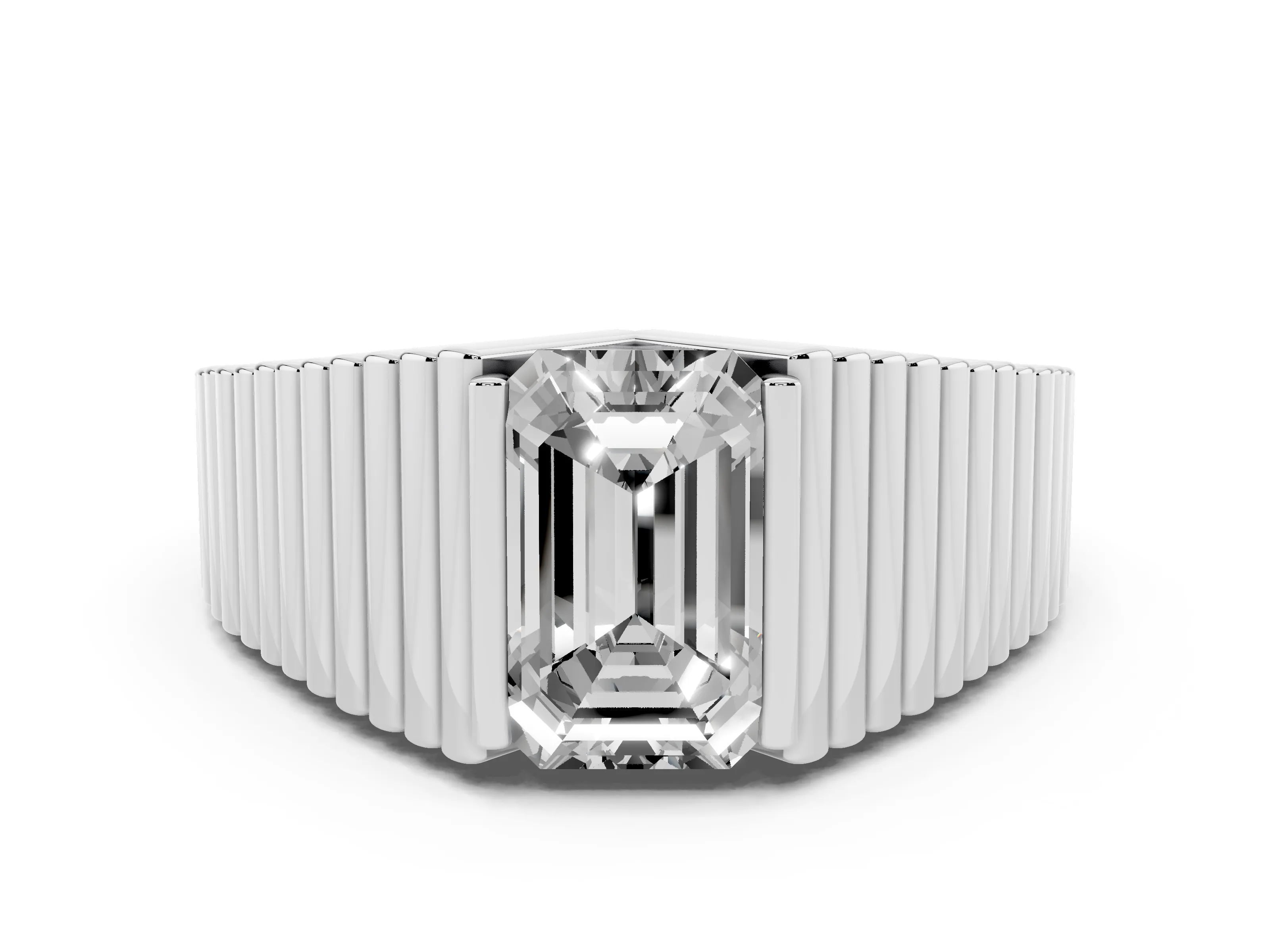
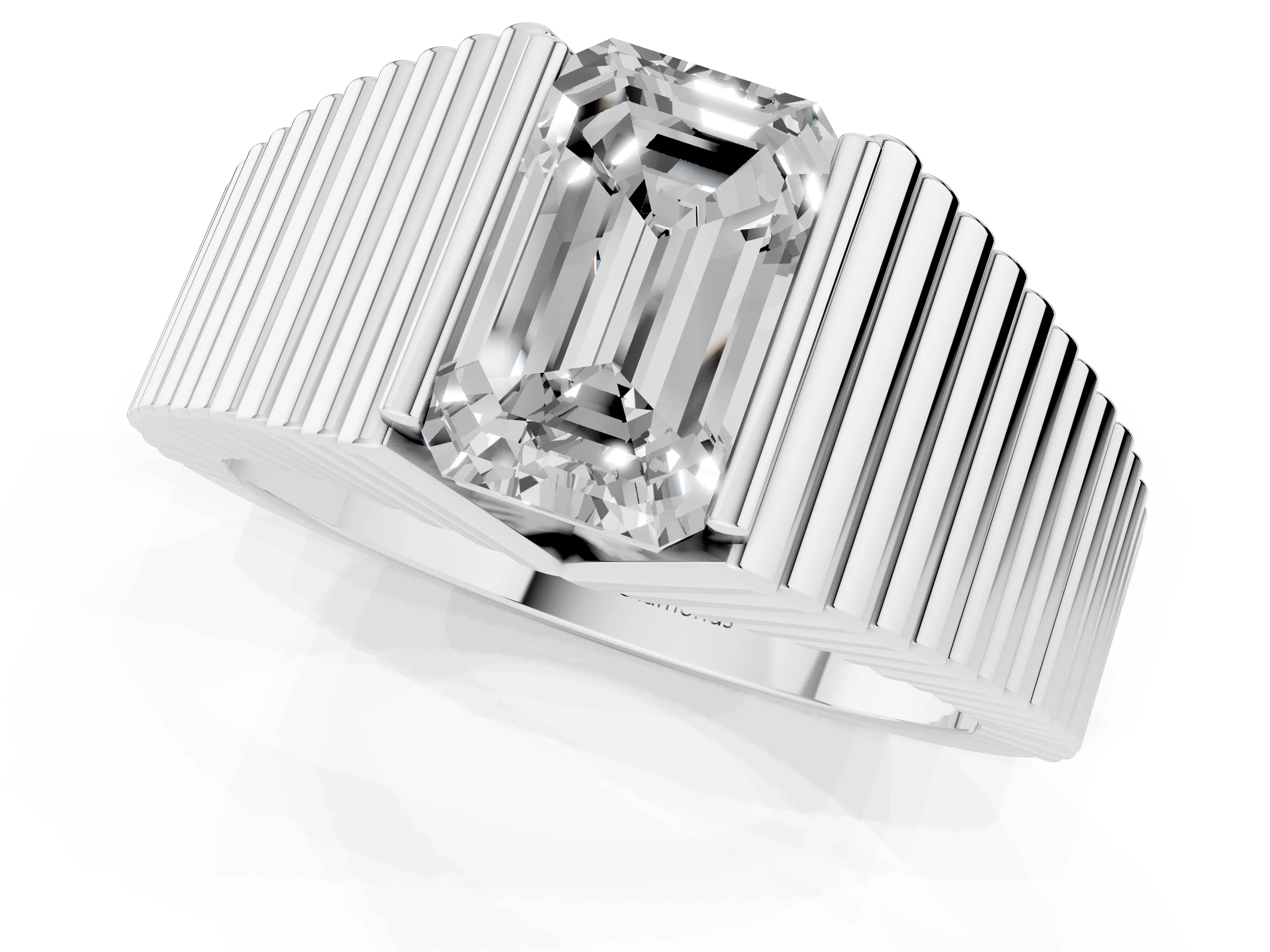
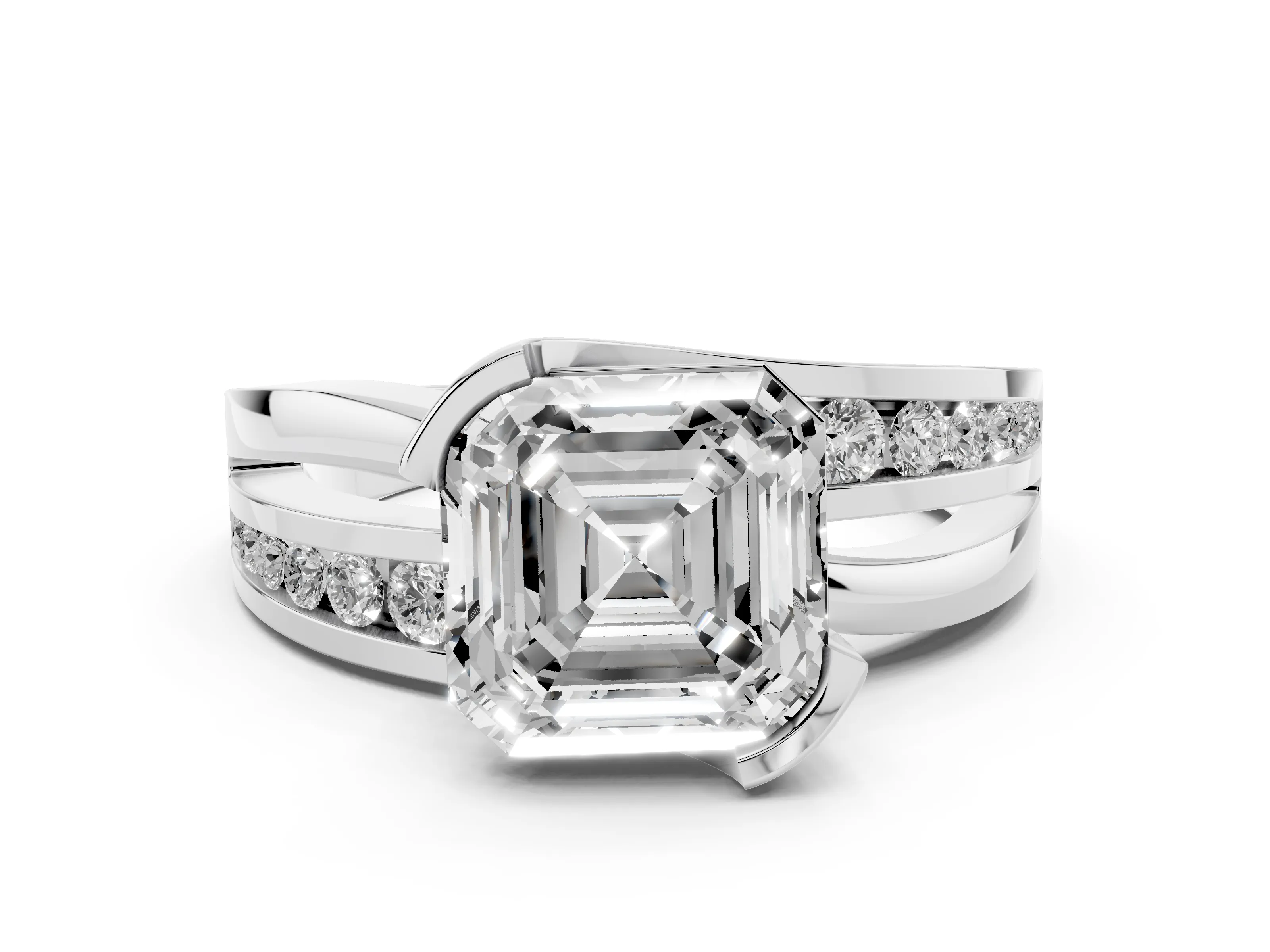
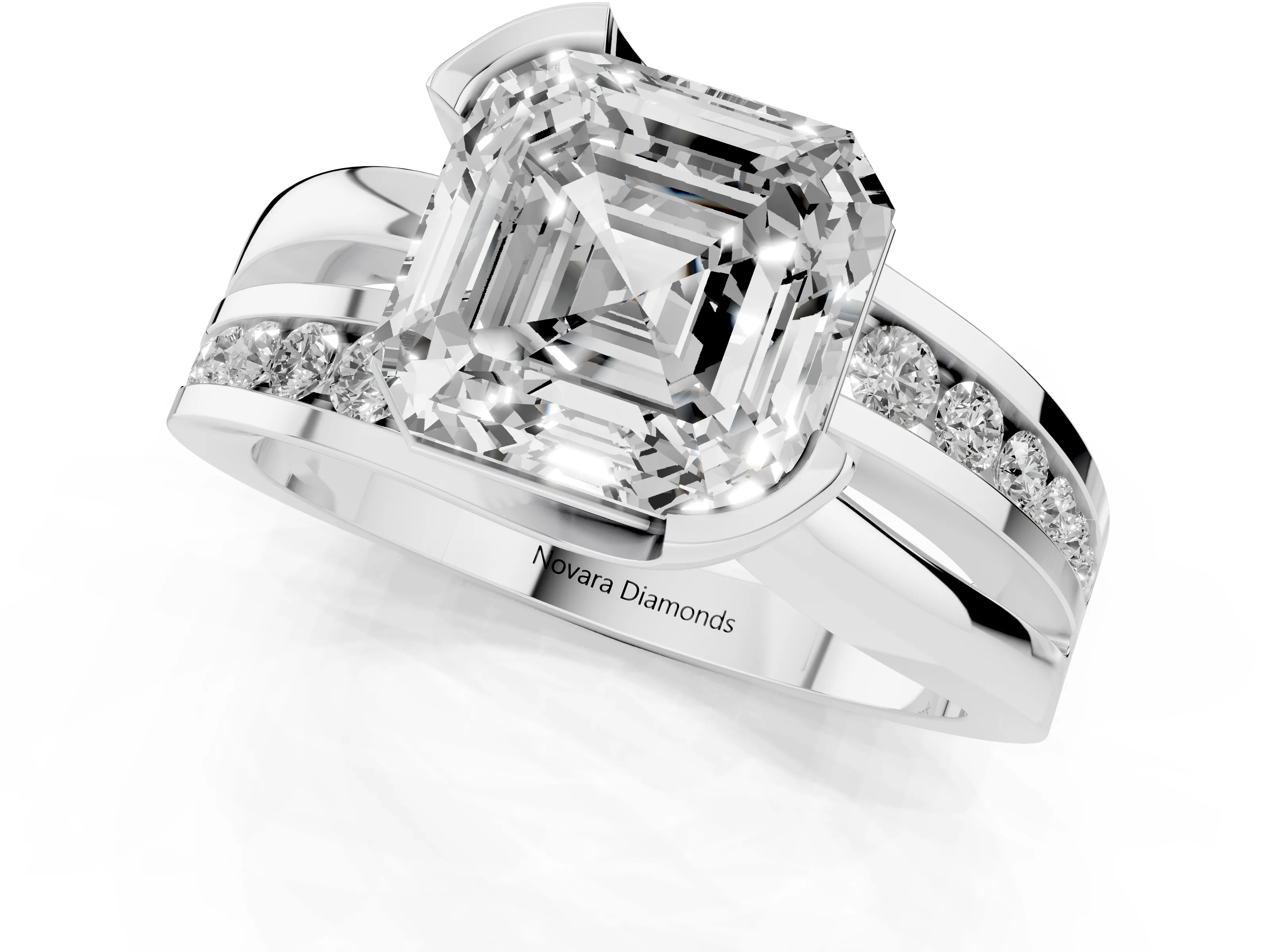
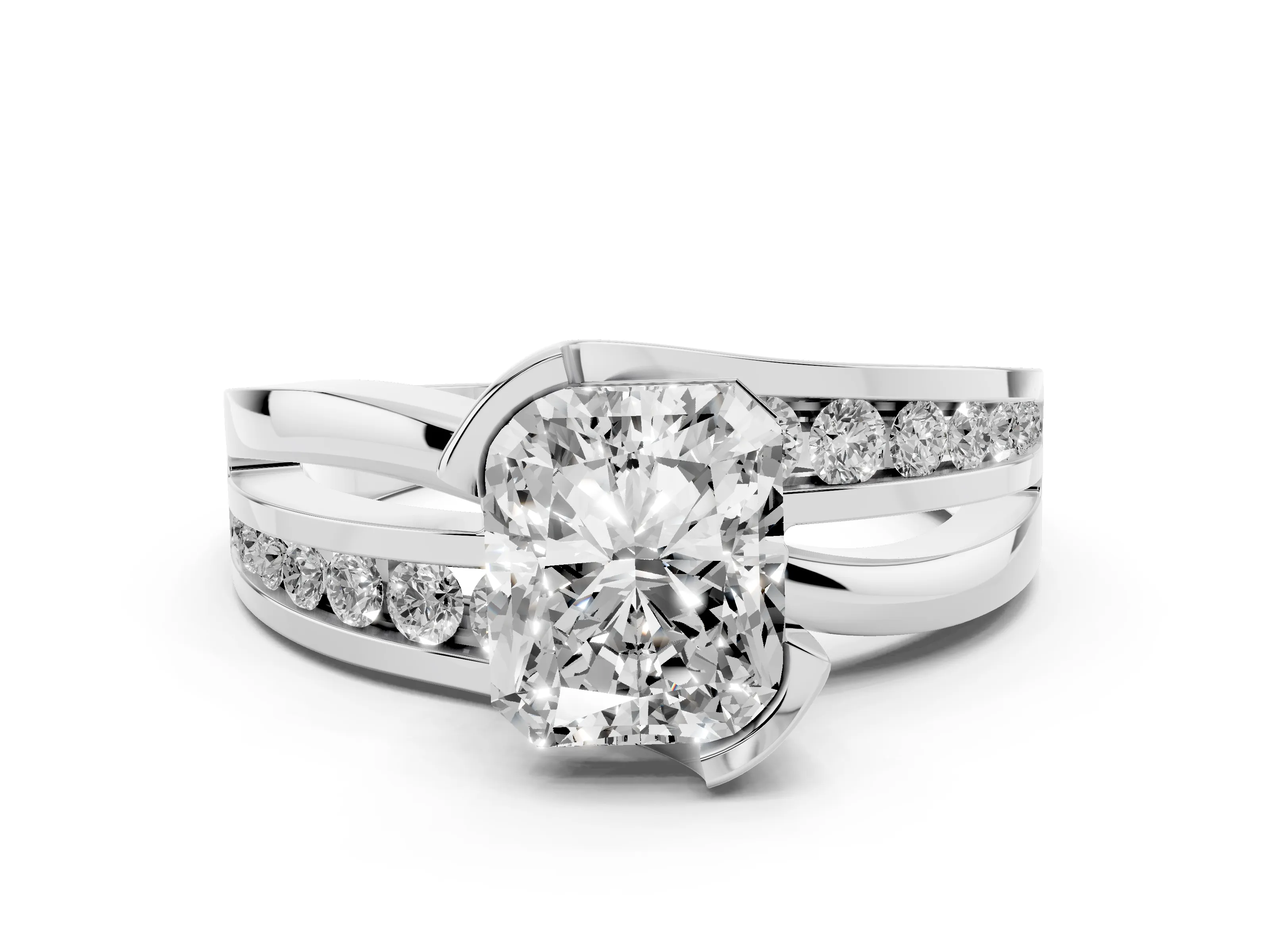
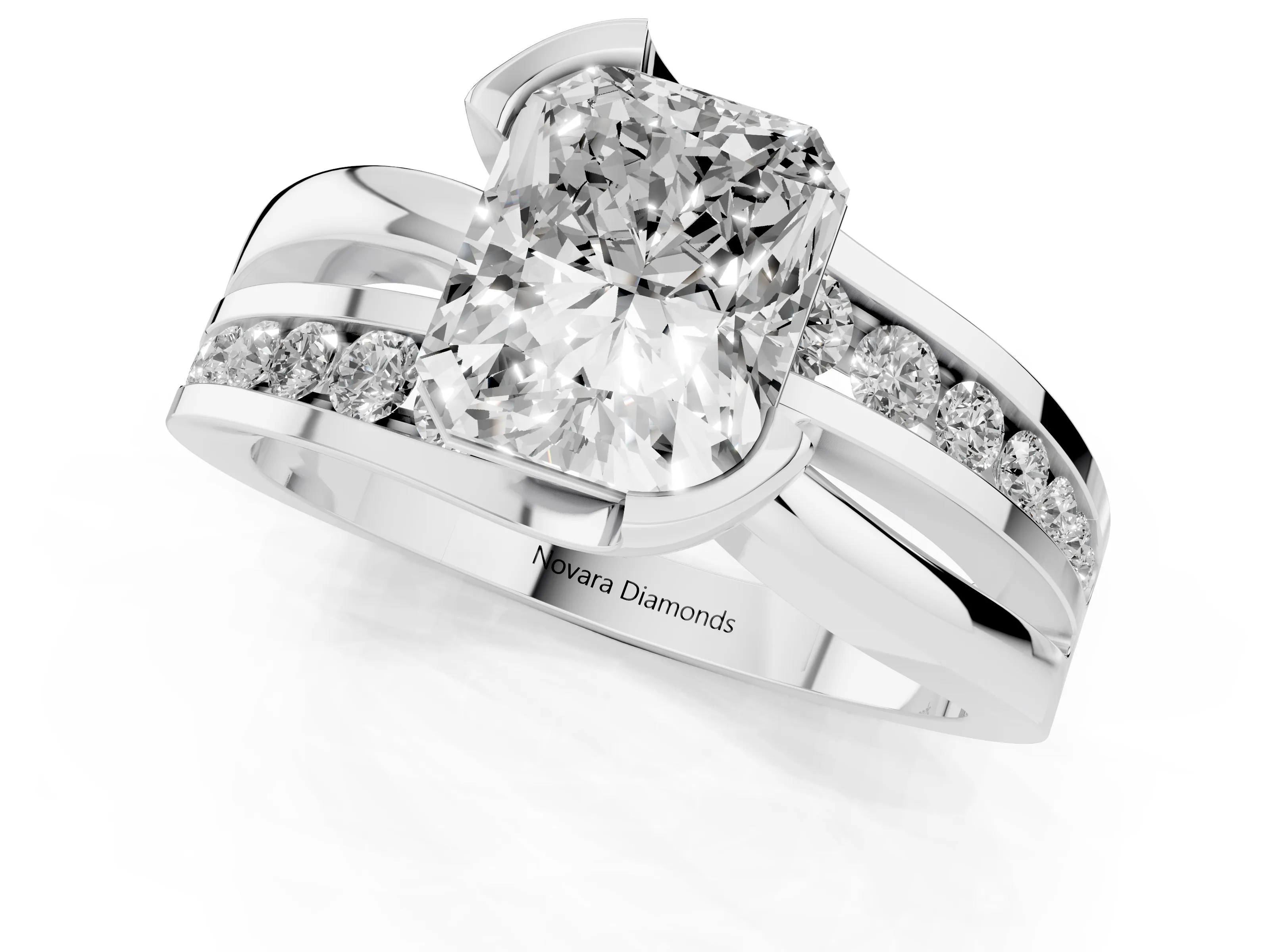
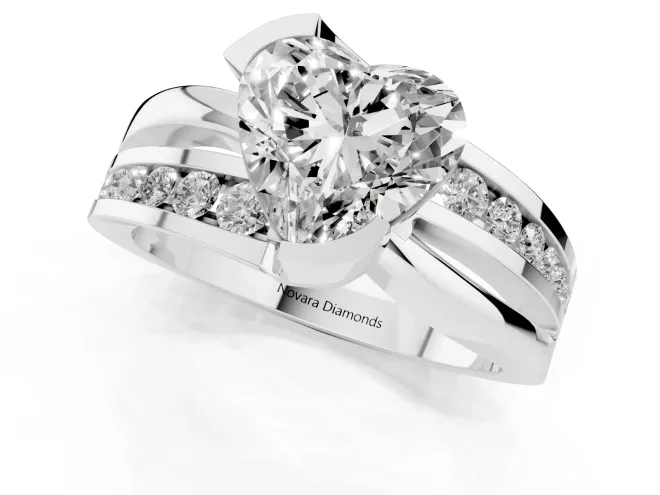
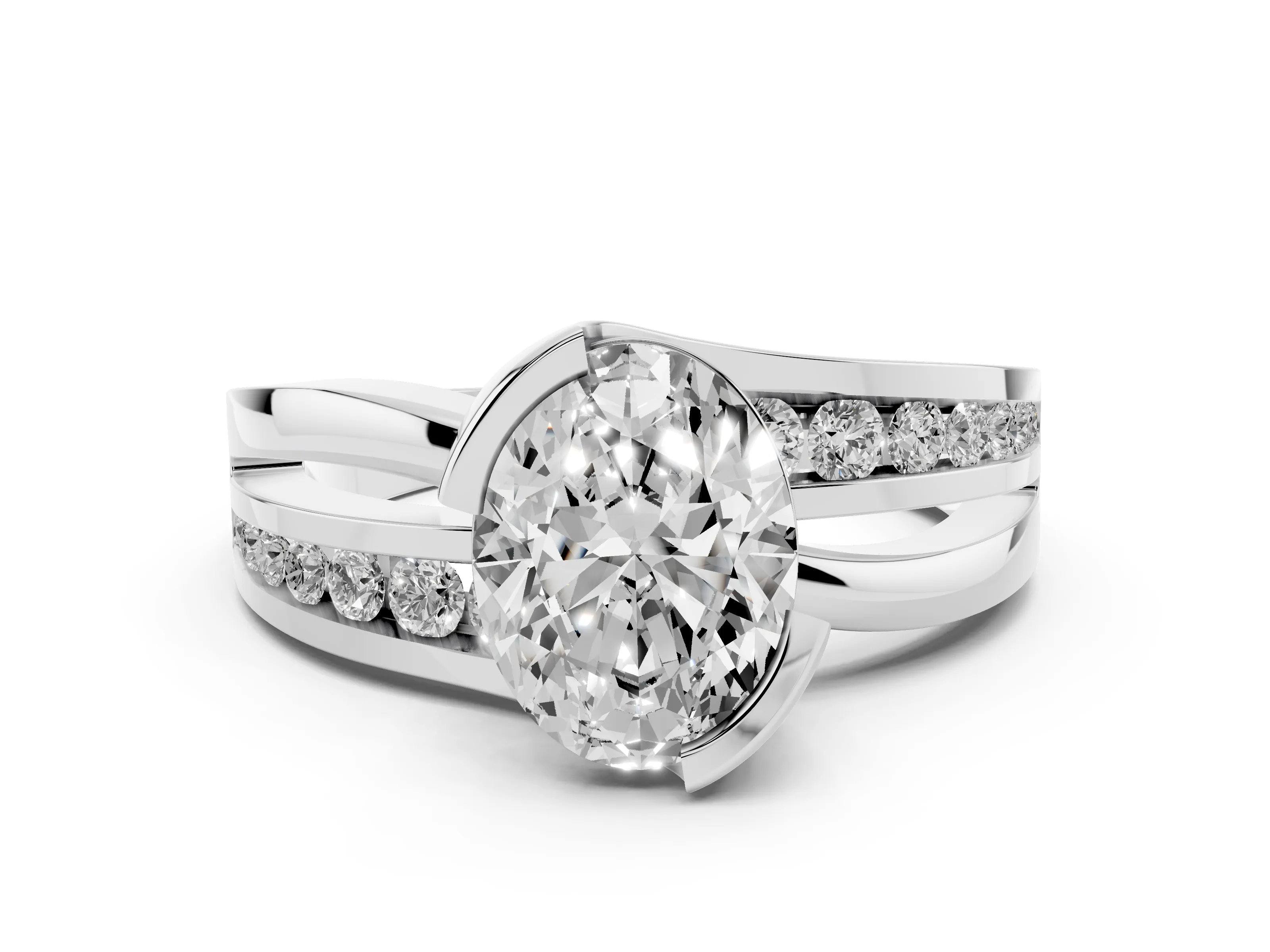
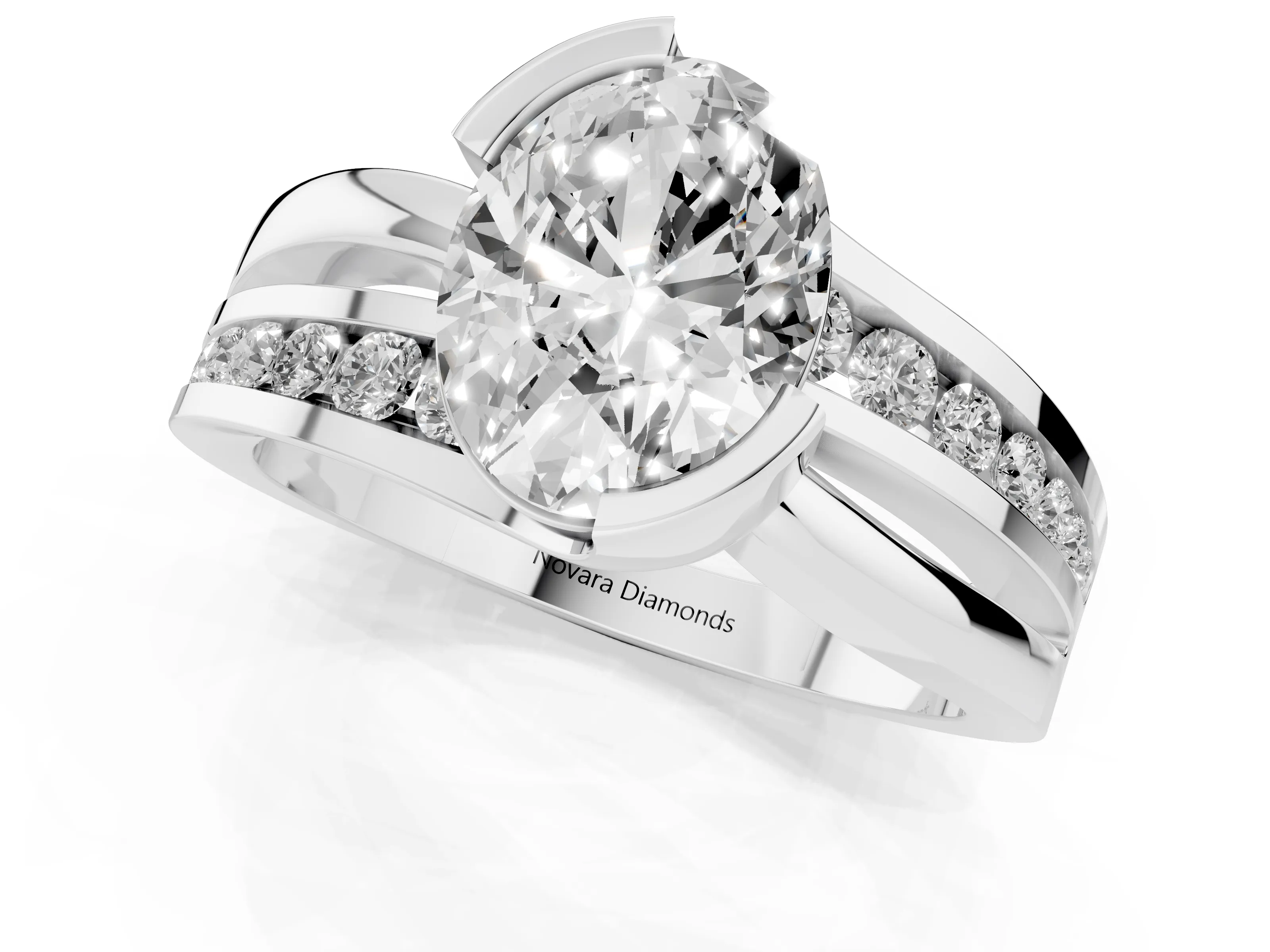
In a tension engagement ring the stone is pinched by the band's two terminals, leaving its crown clear of metal. Some designs here are pure solitaires with a sculpted or tapered band; others add flush-set accents, a fluted profile, or a split shank with a graduated channel of lab-grown diamond accents. Photos taken in profile show how each head meets its stone.
Shapes that suit the gap
The emerald cut is offered on every design, and princess, round, cushion, radiant, asscher, marquise and heart shapes on most. Straight-sided cuts sit squarely against the metal ends, which is why emerald and princess shapes are classic choices for tension set rings. A round center shows the most sparkle through the open sides. Nearly every design also accepts a fancy-color center: yellow, pink, blue or green.
Picking the metal
- Gold: white, yellow or rose, in 10K, 14K or 18K. 10K and 14K are firmer, 18K is richer in color.
- Platinum: dense and naturally white, it holds its shape under the constant pull of the setting.
- Silver: the lightest choice, suited to a wearer who is gentle on rings.
Daily wear with an open setting
The sides of the center are exposed, so a knock against a doorframe meets stone before metal. Slip it off for the gym, ball games and bleach-based cleaners. A rinse in soapy lukewarm water and a light brush at the gap clears dust; an annual look by a bench jeweler confirms the stone is still held tight.
Tension Rings: Common Questions
What are the pros and cons of tension rings?
The main pro is the view: few settings expose as much of the center stone, and the band frames it in a clean, modern line. The cons are practical. The stone's sides are exposed to knocks, the band needs to be fairly solid to carry the grip, and resizing takes more care than on a prong ring.
Are tension set rings safe?
Yes, when they are well made and looked after. The ends of the band press against the center from both sides, and firm metals such as platinum and 14K gold hold that pressure well. The exposed sides are the weak point, so remove it for heavy lifting, and book a yearly bench check of the hold.
Can tension set rings be resized?
Yes, though with more care than a prong ring, because the grip on the center depends on the band's exact size. Novara includes one free resize within 60 days of delivery. A one-size change is a resize. Anything bigger than a one-size move means a newly made ring, ready in 10–15 days.
What is the purpose of a tension ring?
The point of a tension ring is to suspend the stone between the band's terminals so it seems to float, with almost no metal above or below it. The aim is a spare, architectural look and an open path for light, which suits straight-sided shapes such as emerald and princess cuts.
Are tension rings worth it?
They are worth it if you want the most open view of the center and a modern profile. The setting costs about the same as other styles: these settings start under $400, with most between about $1,250 and $1,550 before the center. Choose one knowing the stone's sides are exposed in daily wear.


